
The AI Revolution in Recycling: Building a Smarter, Sustainable Future
Introduction: Why Traditional Recycling Isn’t Enough
Every year, the world produces more waste than ever before. Overflowing landfills, polluting incinerators, and contaminated recyclables highlight the limitations of traditional waste management. While recycling has been a key environmental tool, conventional methods often fall short: manual sorting is slow, error-prone, and labor-intensive. Contaminated materials reduce the value of recyclables and lead to entire batches being sent to landfill.
As global consumption rises and the price of raw materials increases, it’s clear that recycling needs a smarter, more efficient approach. “With AI at the helm, modern waste collection services are no longer just about pickup—they’re about intelligent sorting, maximizing recyclables, and turning waste into valuable resources.”
How AI is Transforming Waste Management
AI is not just an upgrade to existing systems — it’s a complete shift in how we perceive and process waste. By combining computer vision, machine learning, and advanced sensors, AI systems can identify, sort, and manage waste with unprecedented precision.
Key capabilities of AI in recycling include:
- Automated Sorting: Using cameras and robotics, AI identifies plastics, metals, paper, and glass faster and more accurately than humans.
- Smart Logistics: Sensors in bins and collection vehicles optimize routes, prevent overflow, and reduce fuel consumption.
- Data-Driven Decisions: AI analyzes trends in waste generation to forecast material needs, improve supply chains, and enhance recycling strategies.
In essence, AI turns waste into a valuable resource stream, making recycling more efficient and cost-effective while reducing environmental impact.
Practical Applications of AI in Recycling
- Automated Sorting
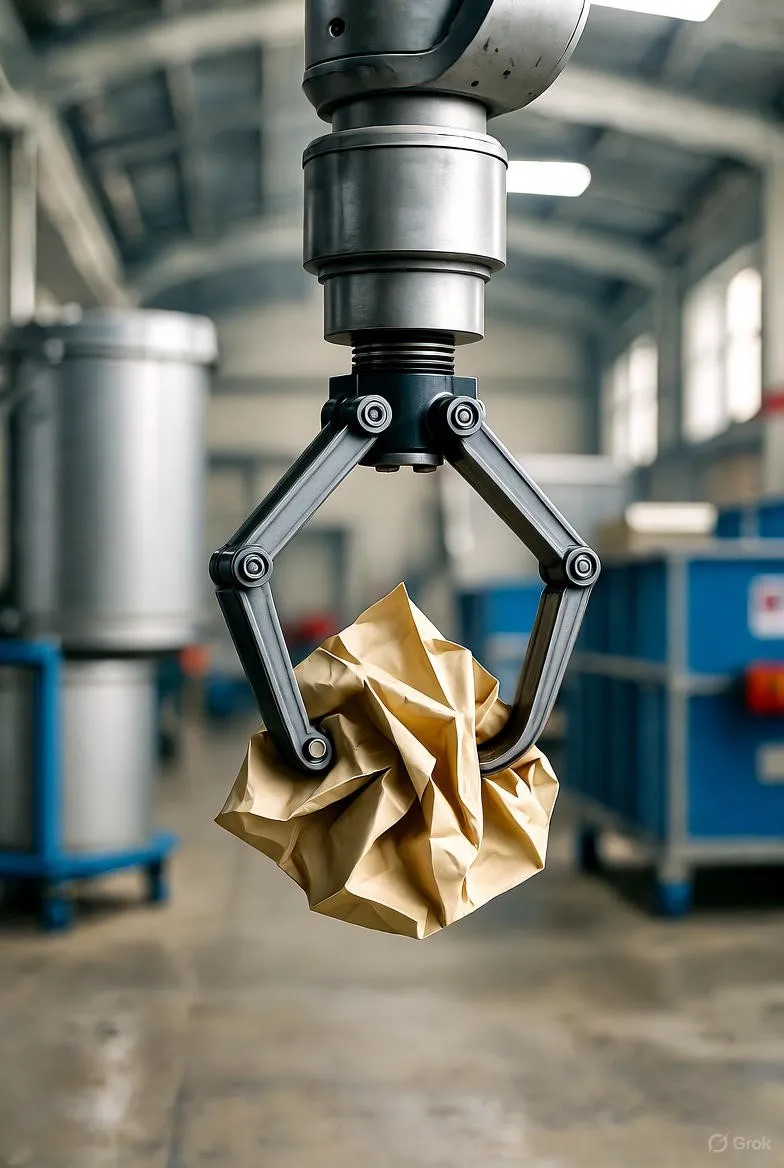
One of the most impactful AI applications is automated sorting. AI-powered robotic arms equipped with computer vision can pick and separate materials on conveyor belts with precision rates of 90–99%. These systems reduce human exposure to hazardous waste, improve sorting efficiency, and increase the quality of recyclable materials.
For example, AI systems can isolate high-value plastics like HDPE (used in milk bottles), ensuring cleaner batches that command higher prices in the recycling market. Robotics and vision-based sorting are being deployed worldwide, from consumer recyclables to construction and demolition materials.
- Smart Collection and Logistics
AI is optimizing waste collection like never before. “Smart bins” equipped with sensors monitor fill levels in real-time. Data from these bins feeds into AI algorithms that schedule collection routes dynamically.
The benefits are tangible: fewer unnecessary trips, lower fuel consumption, and reduced carbon emissions. Cities like Barcelona have reported a 23% reduction in collection vehicle distances and significant cost savings after implementing AI-driven waste logistics.
- Improving Recyclable Quality
For recycling to be sustainable, materials must be clean and uncontaminated. AI ensures higher purity by detecting non-recyclables and contaminants that humans might miss. High-quality recyclables are easier to sell, reducing economic losses and encouraging a stable circular economy.
Advanced sensor technologies can even analyze material composition, helping recycling plants sort plastics and metals more effectively. The result is more reliable and market-ready recycle materials, which support both sustainability and profitability.
- Data-Driven Planning
Beyond physical sorting and collection, AI supports strategic decision-making. By analyzing historical data, AI can forecast future recycling needs, optimize plant capacities, and improve supply chain planning.
Integration with digital platforms also allows for transparent tracking of recycled materials, ensuring accountability and traceability throughout the recycling lifecycle. This creates a smarter, connected ecosystem that continuously improves efficiency and sustainability.
The Real-World Impact of AI in Recycling
Economic Benefits
AI reduces operational costs by lowering contamination rates and improving material quality. Cleaner, high-purity recyclables fetch better market prices, turning recycling from a cost center into a profitable operation. This efficiency unlocks value from materials that would otherwise be lost in landfills.
Environmental Gains
By diverting more materials from landfill and reducing the need for virgin resources, AI helps reduce greenhouse gas emissions, air pollution, and energy consumption. Smart sorting of plastics and metals also supports the circular economy, where materials are reused continuously rather than discarded.
Transforming Human Roles
Automation doesn’t eliminate jobs — it changes them. Workers move from repetitive, hazardous tasks to higher-value roles in quality control, maintenance, and system oversight. AI enhances human capabilities rather than replacing them, creating a safer and more skilled workforce.
Looking Ahead: AI and a Circular Future
Artificial Intelligence is shaping the future of waste management. By combining automation, smart logistics, and data analytics, AI systems make recycling more efficient, accurate, and sustainable.
However, technology alone isn’t enough. Building a truly sustainable future also requires human action: reducing consumption, reusing materials, and supporting policies that encourage circular practices. Of course, the presence of these robots and advanced technologies does not remove the responsibility of individuals to separate household waste at home — every small action counts in making the system work effectively.
Together, AI and human responsibility can create a system where waste is minimized, resources are continuously recovered, and recycling becomes a seamless, intelligent process — turning today’s rubbish into tomorrow’s resource.


Leave a Reply