
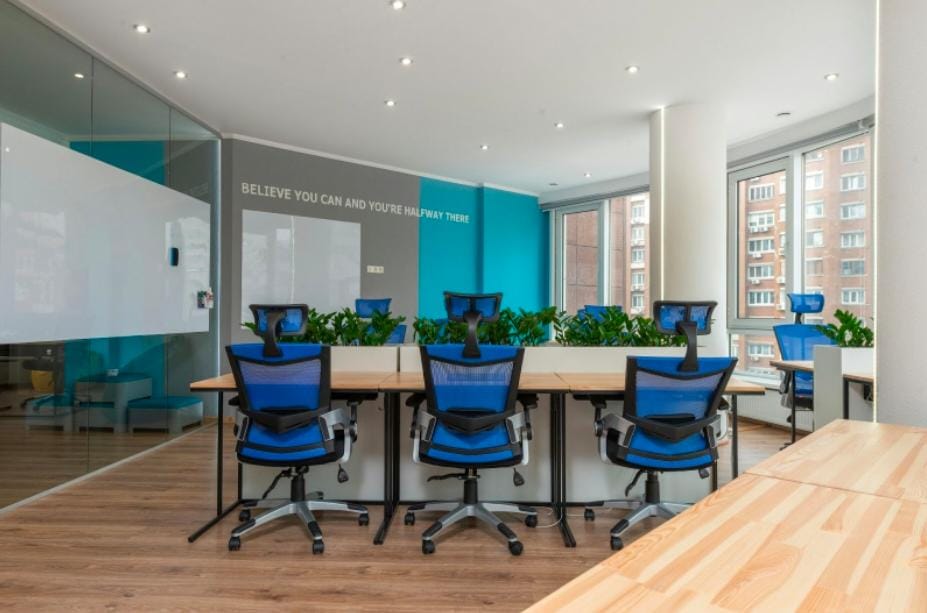
10 Acoustic Hacks to Boost Open Office Focus
Open offices are designed to inspire collaboration, flexibility, and connection — but there’s one challenge many workplaces struggle with: noise. Conversations, keyboard taps, chair movement, and ringing phones can quickly derail productivity. The good news? With the right acoustic strategies, it’s absolutely possible to create a quieter, more focused workspace without sacrificing openness.
Below are 10 proven acoustic hacks that help reduce noise disruptions and improve concentration in modern work environments.
1. Add Strategic Office Acoustic Solutions
If workplace noise feels overwhelming, it may be time to introduce professionally designed office acoustic solutions. These solutions are built specifically to reduce reverberation, block sound transfer, and create quieter zones.
Popular options include:
- Modular acoustic screens
- Desk-mounted dividers
- Ceiling baffles
- Mobile acoustic panels
They are ideal for offices where construction changes aren’t possible but noise control is essential.
2. Use Acoustic Wall Panels for Noise Absorption
One of the quickest and most effective upgrades is installing acoustic wall panels. These panels absorb sound before it can bounce around the room, reducing echo and improving speech clarity.
They also offer:
- Aesthetic customization
- Flexible placement
- Scalability based on room size
Acoustic wall panels are especially useful in open-plan offices with hard surfaces like glass, concrete, or metal.
3. Create Quiet “Focus Zones”
Not every conversation belongs in the main work area. Designating quiet zones gives employees a space to work without interruptions.
Ideal quiet space features include:
- Soft seating
- Acoustic panels or furniture
- Desk dividers
- Noise-reduced flooring
This approach keeps collaboration possible — just in the right spaces.
4. Incorporate Sound-Masking Systems
Sound masking technology emits low-level background noise that makes distracting sounds less noticeable. It doesn’t eliminate sound — but it neutralizes it.
Benefits include:
- Reduced speech clarity (making noise less distracting)
- Improved privacy
- Consistent sound environment
Many modern open offices use sound masking alongside physical acoustic solutions for best results.
5. Add Plants for Natural Noise Control
Plants do more than decorate — they help absorb sound waves. Plants with dense leaves are particularly effective at dampening noise in open spaces.
Some great options include:
- Fiddle-leaf fig
- Snake plant
- Bamboo palm
- Ferns
When combined with acoustic panels and office layout strategy, greenery can make a noticeable difference.
6. Offer Noise-Reducing Headsets
Not every employee wants full silence — but many appreciate the option to block out sound when needed.
Noise-canceling headsets allow focus during:
- Deep work
- Video calls
- Training sessions
- Project deadlines
They’re cost-effective and offer individual control over sound environments.
7. Rearrange Office Layout for Better Sound Flow
Sometimes sound problems are caused by poor layout decisions. Simply moving certain elements can reduce noise impact.
For example:
- Printers shouldn’t be placed next to workstations
- Meeting tables shouldn’t sit in the center of the room
- Break areas should be separated from desks
A strategic layout can significantly reduce noise disruption without major renovations.
8. Install Acoustic Desk Dividers
Desk dividers help reduce sound transfer between workstations while providing privacy and concentration benefits. They’re also ideal for hot-desking and hybrid setups.
Look for:
- Soft, absorbent materials
- Adjustable or portable options
- Panels that integrate technology or power systems
They’re ideal when a full acoustic overhaul isn’t possible.
9. Use Rugs and Soft Furnishings
Sound travels more aggressively in offices with hard flooring. Adding softer materials helps break sound waves and reduce echo.
Useful additions include:
- Carpets
- Curtains
- Fabric furniture
- Upholstered bench seating
While not the strongest acoustic solution on their own, they work well as part of a layered strategy.
10. Educate Employees on Noise Etiquette
Finally, acoustics are not only about physical solutions — they’re also about behavior. A short workplace guideline can help reduce unnecessary disruption.
Examples:
- Use meeting rooms for long conversations
- Avoid speakerphone calls
- Keep volume reasonable in shared areas
- Respect designated quiet zones
Clear communication ensures everyone benefits from a calm, productive workplace.
Conclusion
Noise doesn’t have to be the price of modern open-office design. With the right acoustic hacks — from office acoustic solutions to acoustic panels, layout improvements, and employee awareness — businesses can create environments where focus, creativity, and productivity thrive.
Achieving better sound control doesn’t require a complete remodel — just smart choices that prioritize comfort and performance.


Leave a Reply