
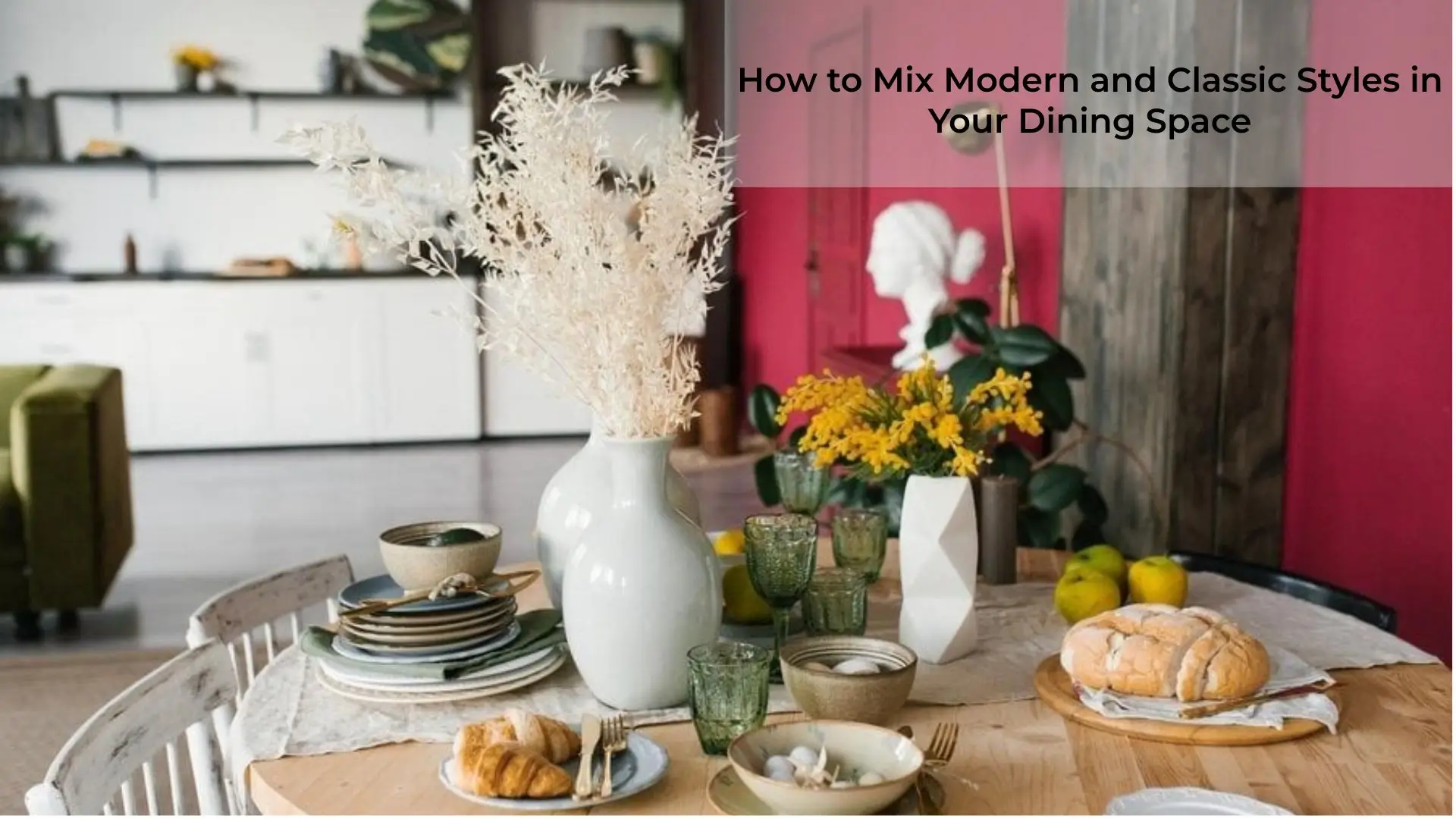
How to Mix Modern and Classic Styles in Your Dining Space
The dining space is a collision of modern and classic spaces that are perfectly timeless and dynamic. The combination of modern’s sleek, minimalistic appeal and classic’s warm rich traditionalism offers an excellent opportunity for personal style and especially form versus function to be balanced. Thoughtful consideration should be given to the thoughtful blending of contemporary and vintage elements in creating a space that feels fresh but nostalgically warm.
The balance between clean lines and intricate details is the key here; so you neither let the natural form compete with the other nor do you let the others compete with the pure form. This would, thus allow you to take the best out of both worlds when you’re trying to make your way to that perfectly sophisticated, inviting, and reflective dining room. Whether it’s an appeal to bold modern shapes or, instead, the elegance of antique pieces, possibilities are endless. From mixing these elements through expert tips for seamless incorporation into your dining room, here’s how it can be done.
1. Incorporate Art and Accessories
One of the easiest ways to mix modern and classic is through accessories, such as art, mirrors, or other decorative items. In addition to eclectic art or other eclectic accessories, varied design influences will somehow come together in a harmonious combination in a dining space.
- Art: Hang a modern abstract painting next to vintage or classic portraits. The contrast of both pieces will make each one stand out while somehow adding to the overall cohesion of the room.
- Mirrors: A classical, over-the-top gilded mirror can come into great contrast with contemporary sculptures or clear-lined tableware. In addition, mirrors can reflect light and make the room appear larger by giving a sense of it being opened up and cohesive.
- Ceramics & Decor: Add new dinner plates and glassware with a more classic look or finish, such as rimmed glasses in gold or plates made of porcelain with lines and old images. The vintage martini glasses could be cute, too fancy, sophisticated, and downright elegant, adding a touch of romance to the dinner, and making the table seem almost treasured. The history is rich and seems to do them well, fitting smoothly even into a mix of new and old elements at the table.
Tip: Be mindful to not over-accessorize the space with too many accessories. Instead, select only some statement pieces which mirror both styles and let them complement, rather than compete against each other.
2. Start with a Neutral Foundation
In combining different styles, it is very important to set up a neutral base so that the modern and classic elements shine without overwhelming the space. Neutral colors such as white, soft grays, beiges, and muted tones can create a beautiful underlay that will enjoin the styles together seamlessly.
Tip: Start with a neutral-colored wall or a neutral-colored rug, and then bring modern and classic concepts to the table through furniture, lighting, and accessories.
3. Blend Modern and Classic Furniture
The furniture takes the heart of the dining space, with which you get to go either really very modern or really very old school with the combinations.
- Contemporary dining table with a classic chair: Combine clean lines with smooth finishes from modern materials such as glass, concrete, or steel with classic wooden or softer upholstery chairs. The contrast between these two types of materials allows for visual balance and each one stamps its own individual character onto the table.
- Classic tables paired with modern chairs: Or, pair a traditional, antique-inspired wooden table, perhaps with carved legs, with streamlined, modern chairs. You can find minimalist designs or even metal-framed chairs for a super modern take.
Tip: Don’t be afraid to have a little fun with scale. For instance, a very large, ornate wooden dining table can pair well with very streamlined modern chairs so that the room does not feel too heavy or stuffy.
4. Mix Materials and Textures
Actually, much of the richness in this blending between styles is textures and contrasts in material. Modern trends toward unadulterated smoothness in those surfaces allow them to remain polished, whereas classics can easily lean into rich woods, intricate carvings, and luxurious textiles. Here is where one can play on these contrasts to layer a room with warmth.
- Wood & Metal: Pair that trendy metal table with elegance by swapping in classic upholstered dining chairs in velvet or linen. Or, marry a vintage wooden dining table with metal or glass accents for a fresh, contemporary look.
- Patterned fabrics: Use a very old pattern such as damask or plaid but mix it with modern graphic prints or solid colors to balance this oldness. For example, classic floral prints can work well on chairs using a modern minimalist tablecloth or placemats.
Tip: Balance out the textures. If you have a lot of heavy-wood pieces in your space, balance that with some softer fabrics and sleeker finishes.
5. Add Statement Lighting
Lighting is probably the easiest route to achieving the modern-classic look. A chandelier, or another statement light fixture, will be a great focal point in the dining room itself is also where you can play with contrasts between modern and classic.
- Modern pendant lights with classic fixtures: Use an industrial-style pendant in matte black, brass, or gold above a more traditional dining table; that contrast can be stunning without overwhelming the space.
- Classic Chandeliers for Contemporary Appeal: A classic chandelier, whether crystal or wrought iron, can still have plenty of elegance when an old shape is updated with some modern finish such as matte black or chrome. Or ditch the classic shape and choose minimalist bulbs in sleek, clean lines for a more contemporary look.
Tip: Adding visual interest without a complete loss of tradition can be achieved by installing a large modern chandelier in a bold geometric shape.
6. Embrace Color Harmony
Although neutral tones are the safest background for any color palette, avoid completely colorless dining rooms. Using both modern and classic styles together means colors have to be harmonious to balance them out. Select a modern palette that pays tribute to traditional colors.
- Neutrals with Classic Accents: A base of grays or whites can become bright with accents of classic gold, navy, or emerald green.
- Pop of Color: A bold modern color like a bright mustard yellow or a teal can add pizzazz in the form of dining chairs or a statement vase. The rest of the room is understated yet traditional with elements that feature wood or neutral tones.
Tip: Accent colors on specified zones will highlight the given room, for example accent wall or a bold piece of furniture, while still unifying the overall palette.
7. Create Balance and Symmetry
Mixing styles requires balance. Too many traditional or modern pieces in one space can cause the room to tip over to one style, or it may feel disjointed. Pay attention to symmetry in your furniture, artwork, and accessory arrangement.
For example, you can balance a modern dining table by placing two classic armchairs symmetrically on each end. You can also have a large rug that is pretty traditional to ground the modern furniture pieces.
Tip: Consider the proportions. A big, ornate piece of traditional furniture can work well if paired with a similarly scaled modern piece to maintain harmony in the space.
FAQs: Mixing Modern and Classic Styles in Your Dining Space
1. Can I mix modern and classic styles without looking cluttered?
Yes, absolutely! The key to successfully blending modern and classic styles is to maintain a sense of balance. Choose a neutral color palette as your foundation and mix in statement pieces carefully. Focus on the harmony of proportions, textures, and materials. Don’t overcrowd the space with too many contrasting elements—let each piece shine by giving it enough space to breathe.
2. What if my modern furniture clashes with the traditional architecture of my dining room?
It’s important to find a balance that complements both the architectural features and the modern furniture. If your dining room has traditional architectural details like crown molding or vintage woodwork, incorporate modern elements in smaller doses—such as minimalist lighting, modern artwork, or sleek furniture—to provide contrast while still honoring the room’s heritage. A blend of both can create a sophisticated look.
3. How do I make sure modern and classic pieces work well together in terms of color?
Sticking to a neutral or muted color scheme is an easy way to create a seamless flow between modern and classic styles. You can add depth and warmth with rich accents like navy, emerald green, or gold to highlight key pieces, but keep the overall palette balanced. For example, if you have a modern black dining table, pair it with classic wood dining chairs and a traditional rug in softer tones, then use accent pieces in bold hues to inject personality.
4. Can I mix antique and contemporary furniture in the same dining room?
Yes, mixing antiques and contemporary furniture is a great way to create a dynamic, personalized space. If you’re combining antique furniture with modern pieces, ensure the furniture’s scale and finish complement each other. For instance, pair a vintage wooden table with modern chairs in a contrasting material like metal or leather. This contrast creates an interesting visual interplay without one style overpowering the other.
Conclusion: The Art of Balance
This concept of the incorporation of modern and classic styles in a dining space calls for harmony and balance. This is achieved through thoughtful combinations of different materials, textures, and furniture pieces. Between modern minimalism and classic elegance, there always has to be something unique, pleasant, and expressive to be developed by the individual.
The key here is contrast which should be within the comfort of an overall vibe that is cohesive and complementary. Therefore, experiment with what you choose and enjoy the creative process-it’s your space and all about making it yours.


Leave a Reply