
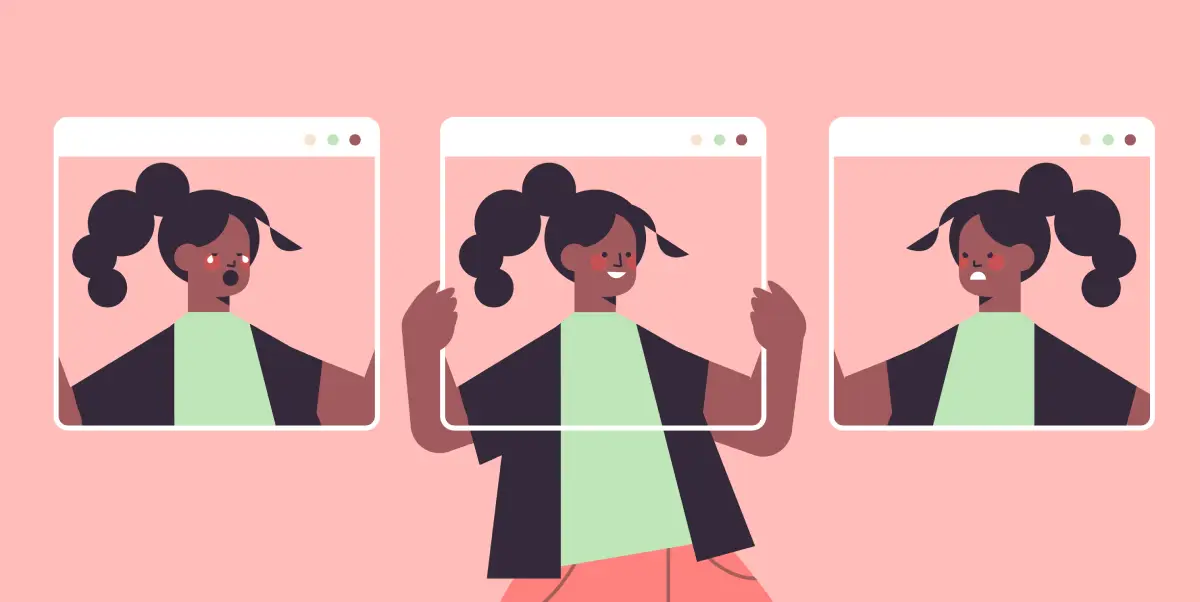
Why Do Some Digital Avatars Seem Friendly and Others Just Feel Off? 7 Poses That Completely Change the Vibe of Your Website Videos
We’ve all seen it. That digital avatar on a company homepage, blinking too much or smiling just a little too long. Something about it feels awkward. Then you click on a different site, and there’s a video that immediately pulls you in. The avatar doesn’t just talk—it connects. That shift in tone? It often comes down to a surprisingly simple detail: the pose.
Yep. Not the script, not the background music, not even the fancy animations. Just the way that digital person is holding themselves. It’s like body language in real life—it says a lot without saying anything at all. If your website uses avatar videos to welcome visitors, explain products, or even walk people through tutorials, the pose you choose is doing way more work than you think.
In fact, a small change in posture can flip the entire feel of a video on its head. Want to come across as trustworthy? Or maybe playful? Or calm and informative? It’s all in the arms, the shoulders, the tilt of the head. Let’s break down seven poses that don’t just tweak the mood—they completely transform how people experience your video.
The Welcoming Open Arms Pose
This one’s a classic for a reason. When your avatar has open arms—whether slightly spread or gesturing naturally as if in mid-conversation—it immediately creates a sense of inclusion. Like someone inviting you into their world, instead of talking at you from behind a screen. It’s the digital equivalent of a warm hello and a soft handshake.
Open arms also make people feel safe. They communicate transparency and friendliness, two traits that matter a lot when visitors are still trying to figure out if they trust your site or your offer. Imagine landing on a homepage and seeing someone standing stiff and straight, barely moving. It’s off-putting. But an avatar that leans in a little, with hands in motion and eyes that follow the movement? That feels alive.
In the context of AI in the workplace, this type of pose can make a huge difference. As more companies rely on AI to greet, inform, or even support their users, there’s a growing need to humanize those interactions. The welcoming pose is one of the simplest, most effective ways to keep things feeling warm—even when a human isn’t on the other end.
The Confident Standing Tall Pose
Confidence matters, especially when your video is explaining something complicated, technical, or high-stakes. An avatar that stands tall, shoulders back, and chin level instantly communicates authority. It tells the viewer, This person knows what they’re talking about. You can trust them.
This pose is ideal for videos that walk users through step-by-step processes, introduce key features of a product, or serve as onboarding guides. It sets a tone that says, We’ve got this covered, without ever sounding bossy.
And while we’re being honest—there’s a fine line between confidence and arrogance. The trick is in the details. A soft gaze instead of a hard stare. A subtle smile instead of a smirk. Movement that feels easy, not robotic. You want your avatar to feel like the person in the room who everyone turns to for help—not the one who never lets anyone else talk.
Some of the best feedback we’ve seen comes from users who didn’t even realize what had changed. They just knew the video from AI felt better. Stronger. More believable. And most of the time, it came down to posture. Not new code. Not a better mic. Just the way the avatar was standing.
The Relaxed Sitting Pose
Now, let’s talk about tone. Not every video needs to be bold and commanding. Sometimes, what people really need is someone who feels approachable. Chill. Like a friend who’s walked this road before and is just here to share what they’ve learned.
The relaxed sitting pose does that brilliantly. When an avatar is seated—maybe leaning slightly forward with hands resting gently, or maybe just looking relaxed with legs crossed and one hand gesturing—it sends a very clear message: No pressure here. Take your time.
This is the pose you want for tutorial videos, customer service responses, or any content meant to ease someone’s worries. It works especially well for personal brands, online educators, or small businesses looking to make meaningful connections. And it pairs beautifully with slower pacing, gentle hand movements, and speech that’s less formal.
When people are browsing late at night, scrolling with one eye open, or watching from their phone while half-distracted, a calm presence is like a sigh of relief. They don’t want to be sold to. They want to feel seen. A relaxed posture meets them there. It quietly says, You’re okay. We’re going to figure this out.
This is also one of the best ways to avoid the uncanny valley that sometimes creeps in with AI avatars. The more natural and grounded the body looks, the more your viewers stay connected instead of distracted by the weirdness of it all.
The Strategic Desk Pose (aka The Professional Power Move)
Now, let’s be real. If you’re using an AI avatar for business use, it needs to feel like it belongs in that space. Corporate clients, B2B platforms, and even digital agencies all want to project professionalism—but not in a cold or outdated way. They want sleek. They want modern. But they also want trust and clarity.
Enter the strategic desk pose. Picture an avatar seated at a table or standing just behind one, maybe with hands resting lightly on the surface or occasionally gesturing with a pen. This setting instantly grounds the viewer. It makes it feel like a real conversation is happening in a real place.
There’s something about the presence of a desk that adds structure. Even in a digital space, it implies organization. It tells people they’re watching someone who has prepared, someone who is ready to lead. It also helps your avatar avoid feeling like they’re floating awkwardly in space. The desk creates context—and context is king when it comes to earning trust.
This pose works especially well for explainer videos, corporate announcements, or product walkthroughs aimed at stakeholders. And when the avatar occasionally interacts with the desk—say, tapping a finger thoughtfully or sliding over a mock document—it adds a touch of realism that breaks through the screen.
The Over-the-Shoulder Casual Turn
Let’s switch gears. There’s something playful, even a little rebellious, about an avatar that’s not facing the camera dead-on. The over-the-shoulder pose introduces a different kind of vibe—something more offbeat, more creative, more personal. It’s like the avatar was doing something else and just turned to include the viewer in the moment.
This kind of pose is especially effective for social content, video blogs, or lifestyle brands. It gives a behind-the-scenes feeling that people love. Think of it as the opposite of stiff. It’s loose, relaxed, even a little flirtatious in some cases—without crossing any lines.
And don’t underestimate how powerful that can be. When your audience feels like they’re being let into something private or unscripted, they’re more likely to keep watching. The avatar feels less like a talking head and more like a personality.
This is also where movement matters a lot. A slow turn of the head. A shoulder that shifts slightly as the avatar “notices” the viewer. It’s subtle, but it draws people in. They lean forward. They want to see more.
The Hand-On-Heart Pose
This one’s all about emotion. When your message is vulnerable, personal, or rooted in values, you need a pose that matches that energy. The hand-on-heart pose immediately signals sincerity. Whether the avatar is thanking the viewer, sharing a story, or making a promise—it hits differently when the gesture backs it up.
It’s the difference between someone saying, I care about this, and someone showing it. The pose taps into something universal, something that goes beyond language. It says: This matters to me. And I hope it matters to you too.
This pose is perfect for nonprofit messaging, founder stories, personal introductions, or videos that close out a pitch with a human touch. It works even better when the voiceover slows down a little in that moment. When the lighting softens. When the avatar pauses and looks directly into the camera. The gesture amplifies all of it.
And don’t worry about overdoing it. The key is subtlety. A brief moment with the hand to the chest—then back to natural gestures—is all it takes. Any longer, and it risks becoming cheesy. But done right? It sticks.
The Animated Lean-In
Sometimes, the best way to capture someone’s attention is to move closer. Not literally, of course—but through posture. A slight lean-in, as if the avatar is eager to share something just for the viewer, adds a level of intimacy that other poses can’t match.
This is a great trick for calls to action, sign-up prompts, or big reveals in a video. It feels dynamic. Urgent, even. Like the avatar is whispering, Hey, don’t miss this part. When used sparingly, it can completely shift the momentum of your video in the best way.
It also adds variety to the experience. If your avatar stays in one spot for too long, people stop noticing. But a well-timed lean, combined with a knowing smile or a quick glance sideways? That’s how you hold attention.
The Final Thought
In the world of web design and digital presence, the smallest details often carry the most weight. Poses may seem like background choices—just another setting in your avatar builder—but they’re quietly shaping the entire emotional experience of your video.
Whether you’re aiming for warmth, confidence, calm, or creativity, your avatar’s posture is speaking for you before a single word is heard. Choose it with care, and it becomes your secret weapon. Get it wrong, and even the best script might fall flat.
So next time you’re building out that homepage welcome or explaining your app to first-time users, don’t just think about what your avatar says. Think about how they’re saying it—because body language still matters, even in pixels.


Leave a Reply