
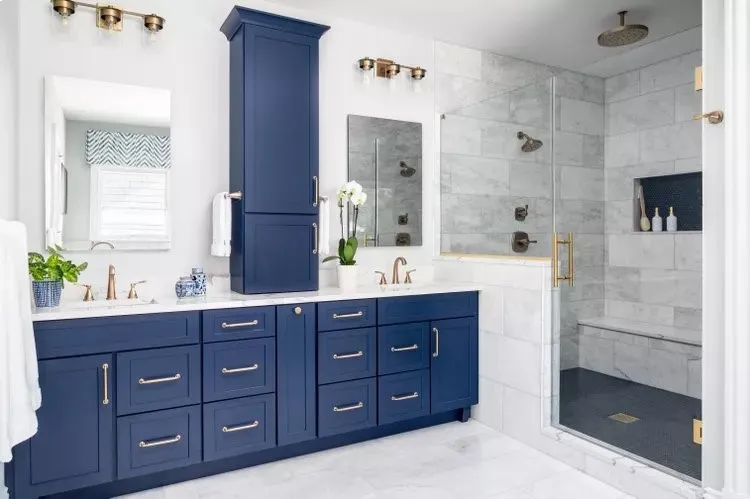
Why Blue Vanities Are Taking Over Bathrooms
Walk into any recent home design expo or scroll through trendy Airbnb listings, and you’ll notice a striking shift: blue bathroom vanities are everywhere. Once dominated by sterile whites and muted grays, bathroom spaces are now embracing bold, calming, and expressive shades of blue—from misty sky tones to deep navy hues. These vanities come in a variety of finishes and materials, from classic ceramics to ultra-modern sintered stone.
But this trend isn’t just about color—it’s the result of evolving design aesthetics, consumer psychology, and lifestyle values. Here’s a deeper look at why blue bathroom vanities are having their moment, and why they might just be here to stay.
1. Color Psychology: Blue Is the Bathroom’s Emotional Therapist
Our perception of color goes far beyond what we see—it also taps into how we feel. And when it comes to bathrooms, blue checks all the right boxes for emotional comfort and mental wellness.
Bathrooms have become more than just functional spaces; they’re sanctuaries where we unwind, refresh, and reset. Studies in color psychology show that blue tones stimulate the brain to release serotonin—often called the “happy hormone”—which helps ease stress and anxiety. Standing in front of a soft blue vanity after a long day can evoke feelings of openness, calm, and connection to nature, especially if the tone reminds us of the sky or sea.
Compared to stark white (often perceived as cold) or gray (which can feel dull), blue offers warmth without being overpowering. According to a 2024 survey by the American Society of Interior Designers, 72% of respondents said that blue bathrooms made them more likely to enjoy their daily routines. In other words, the emotional value of blue turns a simple vanity into a lifestyle upgrade.
2. Style Compatibility: Blue Is the Ultimate Color Chameleon
Trends thrive when they’re versatile—and blue vanities shine in their ability to blend with a wide range of interior styles.
For retro lovers, a navy-blue enamel vanity with brass fixtures and vertical wallpaper instantly channels 1950s Americana charm. In Scandinavian-inspired bathrooms, light blue ceramic sinks paired with natural wood and woven accents create a fresh, earthy vibe. Prefer a modern, minimalist look? A matte deep-sea blue vanity set against raw concrete walls adds depth without disrupting the room’s simplicity. Even in New Chinese or East-meets-West designs, indigo vanities can echo traditional porcelain aesthetics with a contemporary twist.
This flexibility stems from blue’s “neutral-with-character” nature. It’s not too warm, not too cool—just adaptable. Combine it with brass or gold for a luxe finish, mix it with wood for warmth, or pair it with glass and stone for a crisp, clean effect. Designers often refer to blue as a “bridge color” because it helps tie together materials and styles that might otherwise clash.
3. Material & Finish Innovations: More Texture, More Expression
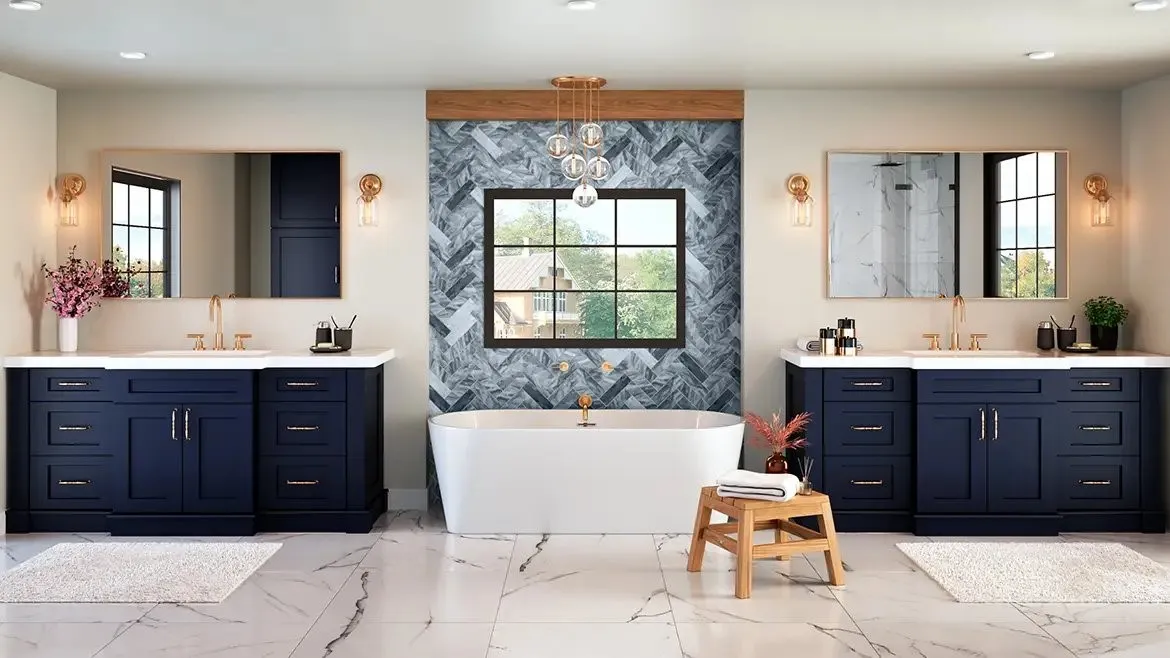
The rise of blue vanities is closely tied to advancements in materials and surface finishes. Today’s manufacturing techniques allow blue to be expressed in a rich variety of textures and finishes to match any aesthetic.
Traditional ceramic vanities now come in matte, glossy, or gradient glazes. A matte finish offers a soft, vintage feel—ideal for Japandi or wabi-sabi spaces—while glossy blue surfaces reflect light like a sapphire, adding drama and elegance.
Sintered stone (or large-format porcelain) has also brought blue vanities into modern luxury territory. These seamless surfaces can extend from the vanity to countertops and even bathroom walls, creating a unified look that feels sleek and expansive.
Even metal has joined the trend. Oxidized copper sinks, for instance, develop a natural blue-green patina over time, giving off a lived-in, antique charm that vintage lovers adore. Meanwhile, microcement technology allows for continuous, seamless blue surfaces that blur the lines between sink, floor, and wall—perfect for minimalist, architectural designs.
4. A Shift in Consumer Mindset: From Function to Self-Expression
Design trends often reflect deeper shifts in consumer values. The popularity of blue bathroom vanities signals a broader move away from purely practical design toward personal expression and emotional resonance.
In the past, homeowners played it safe with neutral tones like white and gray, fearing that bolder colors might hurt resale value. But today’s younger buyers and renters are treating their homes—especially bathrooms—as an extension of their identity. On platforms like Xiaohongshu (China’s version of Instagram + Pinterest), posts tagged “blue bathroom” have surpassed 500,000. The vanity, often in a signature shade of blue, becomes the focal point of personalized bathrooms complete with custom wall art, scented candles, and curated accessories.
Vacation rental owners have also noticed the impact: bathrooms featuring blue vanities reportedly generate 30% more engagement on social media than standard designs. In a world where aesthetics and individuality matter more than ever, a blue vanity is no longer just a fixture—it’s a personal statement.
5. Nature-Inspired and Eco-Friendly: Blue Echoes the Call for Sustainability
As sustainability becomes a global priority, design trends are increasingly influenced by nature—and blue, as a color rooted in sky, sea, and water, fits perfectly into this narrative.
Many designers and brands are now incorporating “eco blues” into their product lines—vanities made with recycled ceramics, low-energy production processes, and plant-based pigments. These pieces don’t just look organic—they are.
Nature-inspired detailing is also gaining traction: some vanities mimic the ripples of water, while others feature wave patterns or even color-shifting technology that changes with water temperature, offering an interactive reminder of our connection to the environment.
Blue vanities, in this sense, go beyond design—they become vessels for storytelling and environmental consciousness.
Final Thoughts
The popularity of blue bathroom vanities isn’t a coincidence. It reflects a deep, cultural alignment with emotional wellness, aesthetic flexibility, personal storytelling, and sustainable living.
While design trends will inevitably evolve, the appeal of blue lies in its ability to be both striking and soothing, stylish and adaptable. It’s a reminder that good design isn’t just about what looks good—it’s about what feels right.
So whether you’re remodeling a powder room or building your dream primary bath, don’t be afraid to embrace a shade of blue that speaks to you. After all, home is ultimately a reflection of who you are—and blue, it seems, speaks fluently to the modern soul.


Leave a Reply