
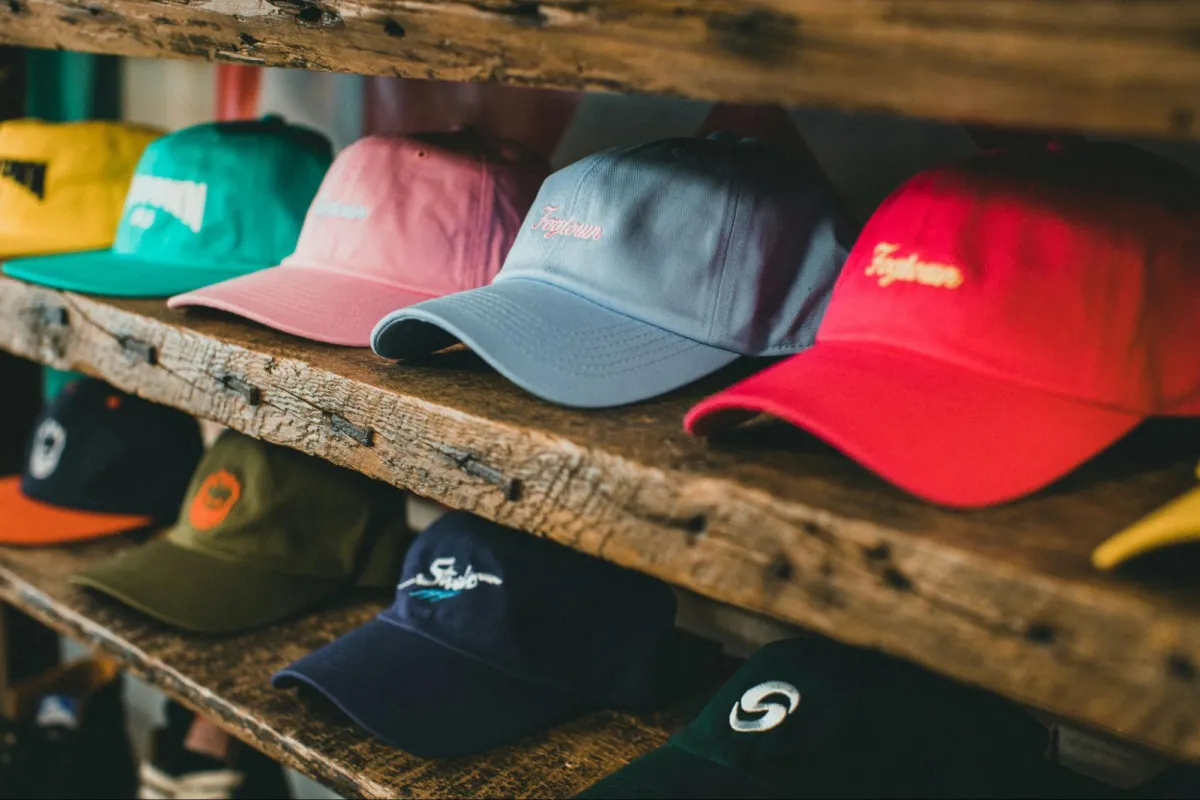
Building a Hat Brand from Scratch: A Practical Guide
Starting a hat brand is equal parts creative expression and smart business strategy. Hats are more than just accessories, they’re cultural symbols, fashion statements, and often the first detail someone notices. But behind every great hat brand is a blend of intentional design, market understanding, and operational structure. If you’re looking to build your own from the ground up, here’s a practical roadmap to help you get started.
Define Your Brand Identity
Before you source a single hat or sketch a logo, you need to get clear on your brand identity. What kind of hats will you sell? Who are they for? Is your aesthetic sleek and modern or bold and graphic? Will you focus on streetwear, outdoor performance, or nostalgic throwbacks?
The answers to these questions shape everything from your designs to your pricing model. Your brand identity is your North Star, it will help guide your decision-making when it comes to marketing, product development, and customer communication. A brand selling vintage-inspired dad caps is going to look, sound, and operate differently than one offering technical headwear for runners.
Research the Market and Find Your Niche
Hats are a saturated category, so understanding where your brand fits in is crucial. Explore what’s currently trending (e.g., embroidered logos, corduroy fabrics, flat brims vs. curved), but also look for what’s missing. Are there underrepresented styles or communities? Could you serve a niche audience better than larger retailers?
Spend time analysing competitor brands and reading customer reviews to see what people love, or wish they could change. Look into materials, fits, price points, and shipping options. Tools like Google Trends or Instagram hashtags can help identify rising demand for specific styles, like customized trucker caps or five-panel silhouettes.
Create Prototypes and Solidify Your Designs
Once you’ve narrowed your focus, begin developing your initial designs. You don’t have to be a trained designer to get started, many successful brands begin by collaborating with freelance graphic designers or using digital mockup tools.
Choose hat blanks that align with your brand’s quality and aesthetic. Focus on perfecting a small, tight collection to start, think three to five hats that showcase your range. Whether you’re planning to work with wholesale hats or pursue made-to-order production, your prototypes should reflect your final product vision.
If you want to create custom embroidered hats or other styles, test multiple versions. How does the embroidery hold up after a few wears? Do the panels retain shape? It’s better to invest time refining your base products than rush to market with something that doesn’t deliver.
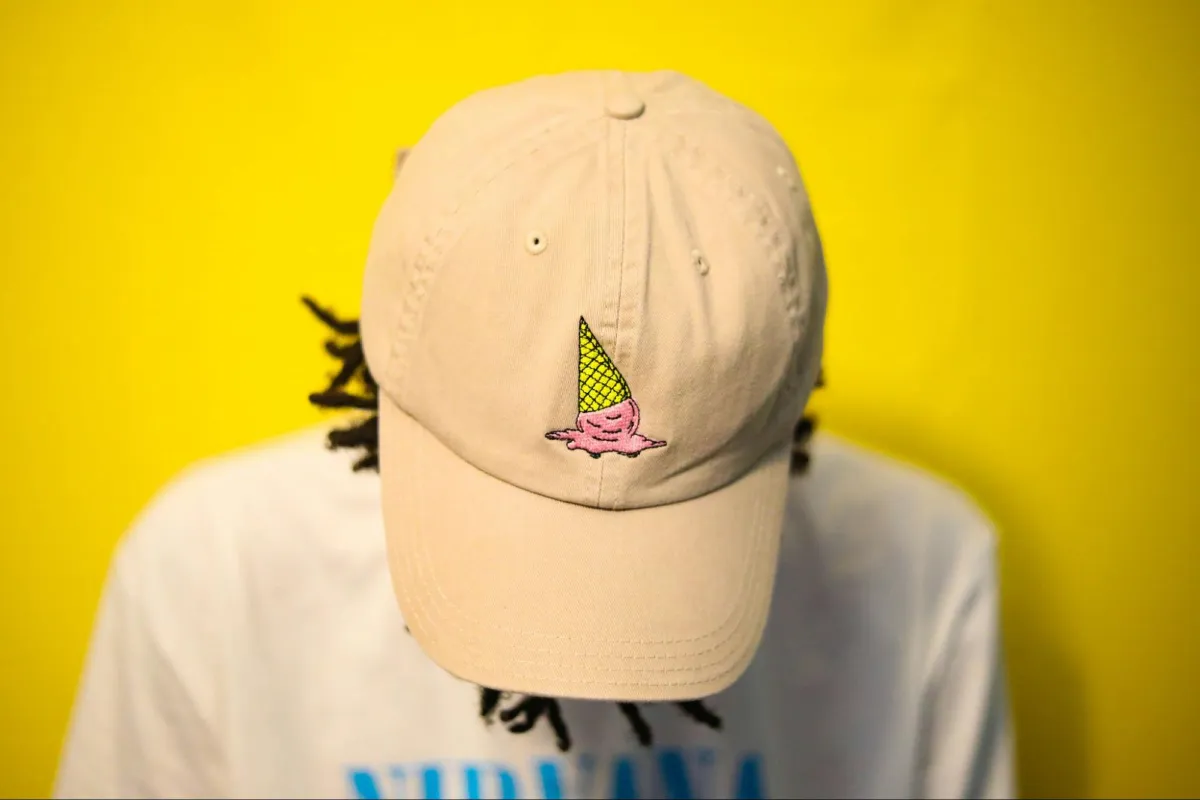
Find a Reliable Production Partner
One of the biggest decisions you’ll make early on is choosing the right production setup. Do you want to produce everything in-house, partner with a local embroiderer, or source from overseas?
If you plan to order custom hats in bulk, vet your supplier thoroughly. Ask for samples, read reviews, and understand their minimums and turnaround times. If you’re just getting started, consider a partner that offers custom hats with no minimum, this lets you test ideas without overcommitting on inventory.
Production should align with your goals. If your brand prides itself on sustainability, make sure your manufacturer’s practices reflect that. If speed is your priority, find a domestic partner that can offer shorter lead times.
Build a Brand That Connects
Great hats won’t sell themselves. You’ll need to craft a compelling brand presence that resonates with your audience. This includes your logo, packaging, photography, website, and voice.
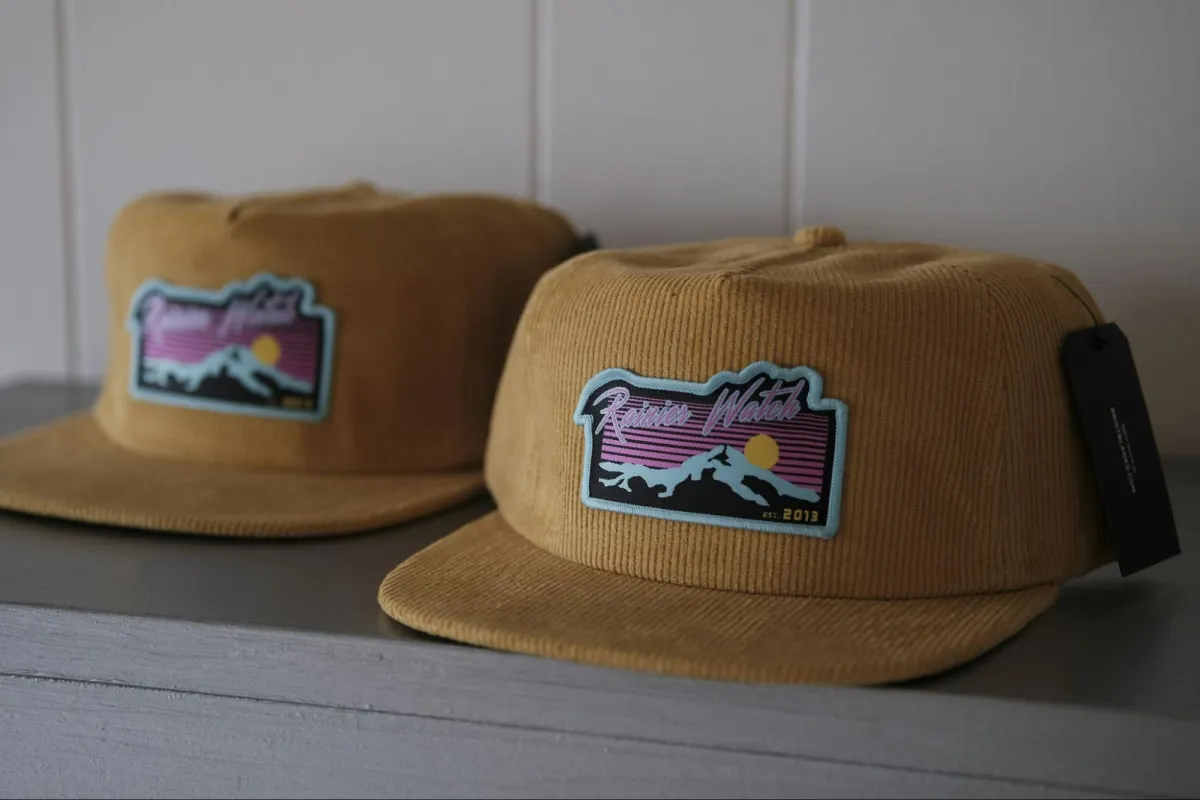
Your story matters. Are you a designer fed up with generic sportswear? A sneakerhead creating hats to match kicks? A proud local paying homage to your hometown? Communicate that clearly across all platforms.
Invest in quality visuals that show your hats in the wild. Collaborate with photographers, influencers, or friends to create lifestyle imagery that’s shareable and aspirational. Think beyond product shots, tell a story through your content.
Launch With Intention
Whether you’re dropping a single design or a full collection, your launch should feel intentional and polished. Consider building anticipation through email sign-ups, sneak peeks on social media, or limited-time offers. A sense of exclusivity or urgency can generate buzz.
You don’t need to be everywhere at once, pick one or two channels and go deep. TikTok, Instagram, and Shopify are strong platforms for hat brands, especially those targeting younger audiences.
If you’re going the e-commerce route, prioritise ease of navigation and mobile optimisation. Make sure sizing, fit details, and shipping info are clear. For local brands, pop-up shops or market stalls can be great ways to connect with your audience face-to-face.
Adapt Based on Real Feedback
After your initial launch, listen closely to your customers. What styles are flying off the shelves? Where are people dropping off in the purchase process? What are they saying in reviews, DMs, or comments?
This kind of feedback is gold. It will help you decide what to restock, tweak, or expand. Maybe there’s unexpected demand for pastel colours, or perhaps your sizing needs adjustment. The best hat brands evolve with their audience.

Scale Sustainably
As your brand grows, your challenges will shift. You might need to increase production, hire help, or move from a living-room fulfilment setup to a warehouse. Look at your numbers and identify what’s profitable before making big investments.
Scaling doesn’t always mean more products, it can also mean deeper storytelling, improved customer retention, or a tighter community. Whether you’re adding customizing hats to your offering or introducing new silhouettes, make sure each move serves your long-term vision.
Final Thoughts
Building a hat brand from scratch is both challenging and rewarding. With the right mix of vision, consistency, and flexibility, you can carve out a unique space in a competitive industry. From sourcing wholesale hats to designing custom made hats that reflect your story, every step should connect back to your core purpose.
It’s not just about selling hats, it’s about building a brand that people want to wear, represent, and grow with. And that’s something worth tipping your hat to.


Leave a Reply