
8 E-commerce Techniques for Selling High-Ticket Items
High-ticket e-commerce refers to any product or service vastly more expensive than the everyday items we may purchase. People buy these items a handful of times a year or even once in their lifetime because they last that long, or the need is one-off.
This blog will explore seven actionable strategies for successfully selling high-ticket items. You’ll learn practical techniques to connect with your audience and turn interest into sales.
The Difference Between High-Ticket and Low-Ticket Items
Apart from the obvious price factor, high and low tickets have the following differences:
- Sales cycle: High-ticket items take longer to sell because we naturally put more thought into a $3,000 purchase over a $30 purchase.
- Sales volumes: In some cases, it can be enough to sell just one high-ticket item per month to make a profit. Profit margins from low-ticket items rely on multiple or frequent purchases.
- Longevity: Low-ticket items need regular repurchasing (like personal hygiene items). High-ticket items need to be purchased only once or rarely. Any expenditure beyond the initial purchase is likely on maintenance and renovations.
- Shipping: High-ticket dropshipping will naturally require more complex and specialized shipping methods.
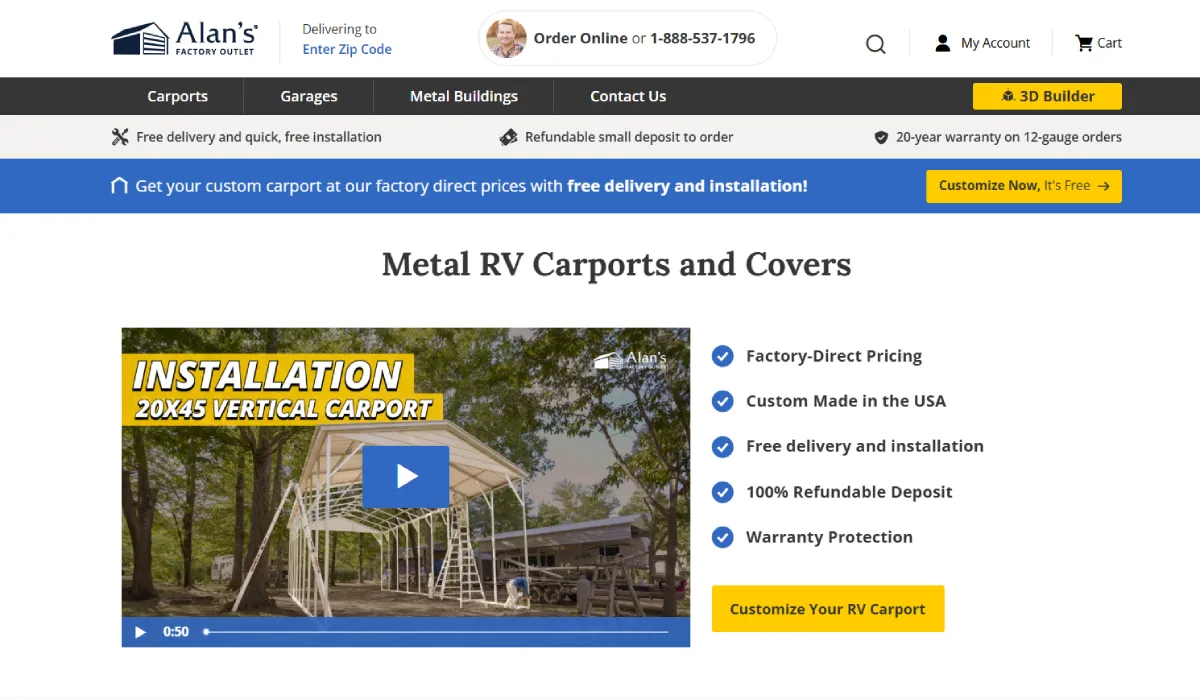
Now, let’s take a look at a simple example. As recreational vehicles have grown in popularity, so has the demand for durable, weather-resistant carports. For this reason, RV carports are a great example of a high-ticket item that can be effectively sold online.
Overall, high-ticket products require more work upfront if you’re going to have any success selling them to potential customers.
Considering that RVs can hardly be stored inside the home, it is important to highlight the benefits of having a specialized carport, such as protecting the vehicle from the elements and maintaining its resale value, which attracts potential buyers and drives sales.
Semexe is a reCommerce marketplace built with CS-Cart that sells second-hand bicycles.
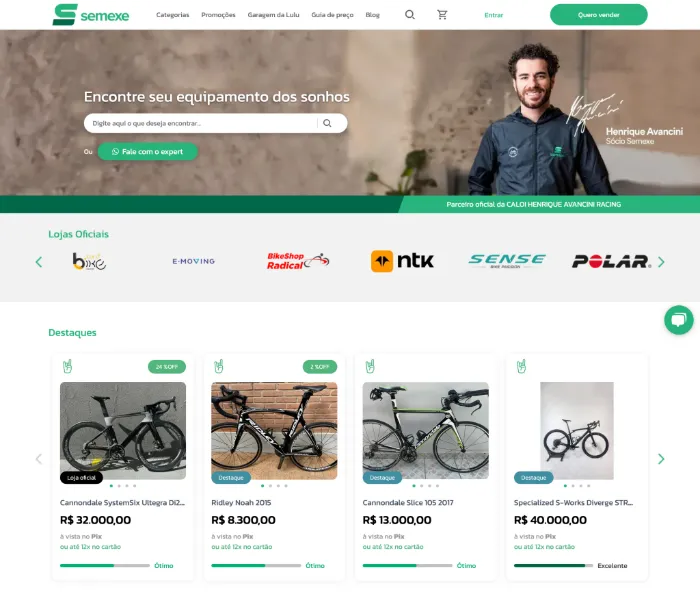
A quality bicycle is a purchase someone makes once or twice in their lifetime, as long as they avoid accidents or major mishaps. Bicycle enthusiasts take excellent care of their equipment and service their bikes regularly with qualified professionals.
The key to successfully selling these bigger-ticket items is ensuring your audience understands the quality. Semexe does this with:
- Standard condition ratings (since the products are second-hand)
- High-quality product photos (four of each bike)
- Clear, easy-to-read product descriptions
- Fair, competitive pricing
Whether you sell brand-new or second-hand products, when you feature big-ticket items on your eCommerce store, you must use every tool available to help your visitors see the value. It’s also crucial when you sell low-ticket items.
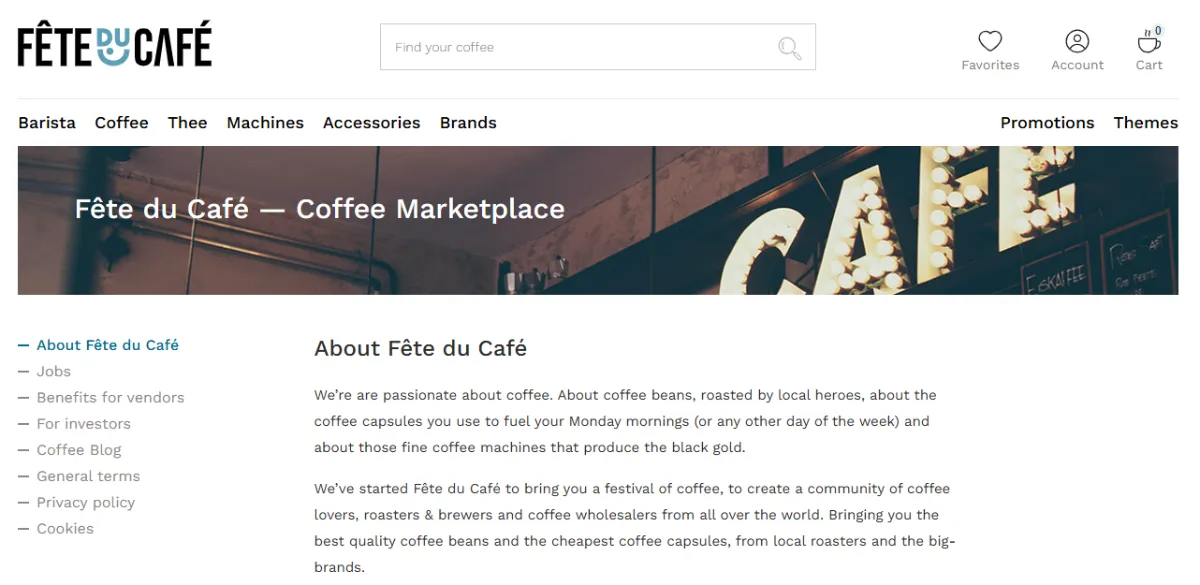
Fête du Café is a European coffee marketplace, also built using CS-Cart, which sells a multitude of types of coffee from over 60 vendors. They specialize in quality coffee at reasonable prices, and their customers praise their service and selection. As Europe’s first coffee marketplace, they’ve tapped the niche in a special way and are quickly earning loyalty with repeat customers.
So, now let’s talk about the eight techniques to make the sales process as seamless and successful as possible.
1. Understand Your Audience Thoroughly
You can’t sell a high-ticket item if you don’t thoroughly know your target audience.
Here are the specific things you need to know,
Pain Points
Try to understand your audience’s motivation for buying a high-ticket item.
Once you have a deeper understanding of their motivations, you can start creating marketing and sales content that pushes the relevant buttons and nurtures the audience to purchase.
Objections
Equally important is knowing your audience’s objections. These are the things that will make them hesitate to make a purchase (despite needing the item.)
These objections need to be handled with utmost care, offering your potential customers solutions.
For example, to address the price, you may offer interest-free monthly repayment plans.
Once you collect these data sets, you can begin creating what is called a buyer persona. A buyer persona is a representation of your ideal customer. The persona is thorough, containing everything you need to know about your customer, including:
- Demographic information: age, gender, location.
- Psychographic information: pain point, objections, values, beliefs, motivations, purchasing power/behavior.
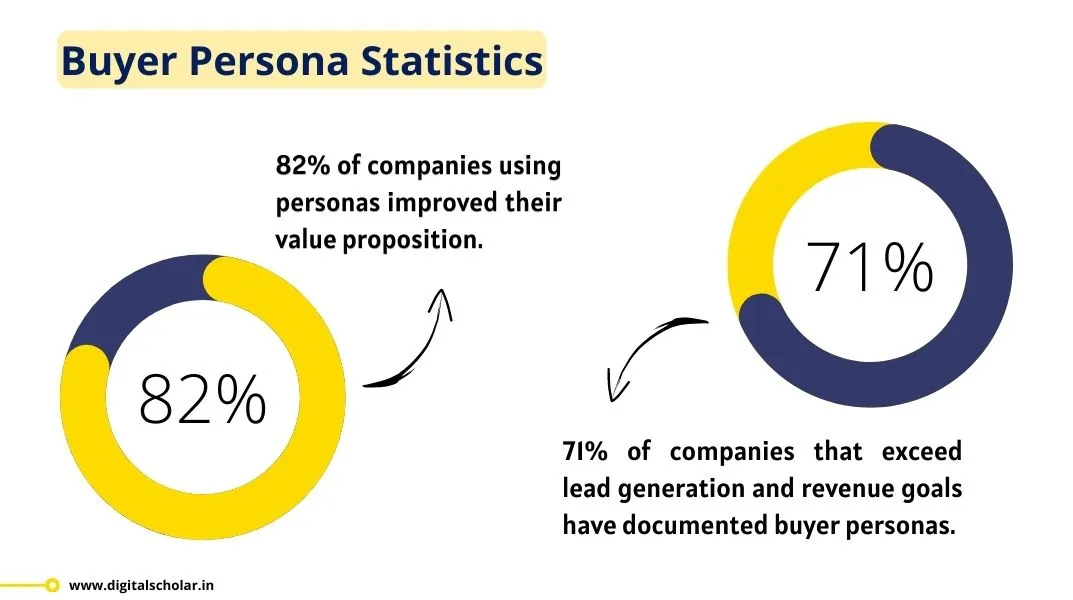
Buyer personas work because they narrow down your audience to one person (in terms of their characteristics), giving you the tools and understanding to sell effectively to that one person (by extension, your entire audience base.)
2. Create a Buyer Centric Website
When people go to a website to buy an expensive item, they need reassurance that the company can deliver. Needless to say, you need to invest in a powerful e-commerce website builder.
Websites that are clunky, have an erratic structure, and have difficult navigation lose the trust factor. At this point, it wouldn’t matter how good your products are because you’ve failed to make the right first impression.
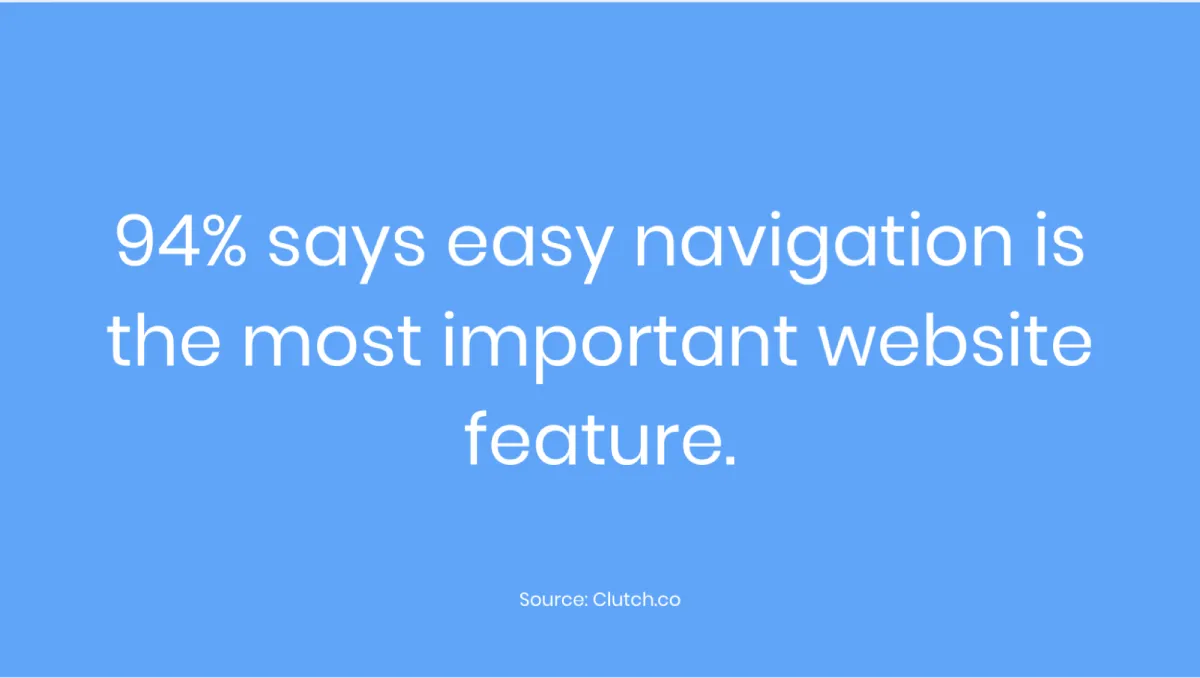
People get frustrated if a website doesn’t load properly on a mobile phone. They won’t spend so much time and energy trying to figure it out–they’ll head off to a competitor.
So, the aesthetics matter, and so does the content. Things like:
- Product descriptions that highlight its benefits.
- Product visualizations that help people understand how it would look at the customer’s home.
- Clear calls to action (CTA) so people know what to do next, how to buy, how to request a quote, and so on.
Getting these things right will make someone trust you. And when they trust you, they’re more likely to make a purchase.
3. Invest in Content Marketing and SEO
When potential customers visit your website, they want to know whether your products can solve their specific problems and meet their expectations.
Content is how you convince them, and it can be done in several different ways.
Website Copy
Use your web copy to acknowledge and empathize with the customer’s pains and preferences. The pain-agitate-solution (PAS) technique is highly effective. Apply it in three steps:
- Identify the problem your audience faces.
- Next, you agitate them by amplifying the emotional impact of these problems. You tell your customers the consequences of not addressing their problems.
- Now that you’ve teased them about their pains, you can end with a solution. This is where you present your product as the answer by highlighting its features and benefits.
Blog Content
Whereas website copy needs to be brief and to the point, blogs and FAQs are your chance to inculcate trust, empathize with their pains a bit more deeply, and answer their objections.
Blogs allow you to dive deeper into topics your audience cares about, such as choosing the right design or the long-term benefits of high-quality materials. You can address these topics with actionable advice.
As a result, you position your brand as an industry expert, which is particularly important for high-ticket items.
Your content must educate potential buyers and demonstrate your expertise and commitment to meeting their needs.
FAQs, on the other hand, tackle common objections and concerns head-on. For high-ticket items, potential customers might have questions about shipping costs, warranties, installation processes, payment terms, or return policies.
A well-organized FAQ section provides clear, concise answers, reducing hesitation and encouraging buyers to move forward.
4. Customize Your E-commerce Store With Apps
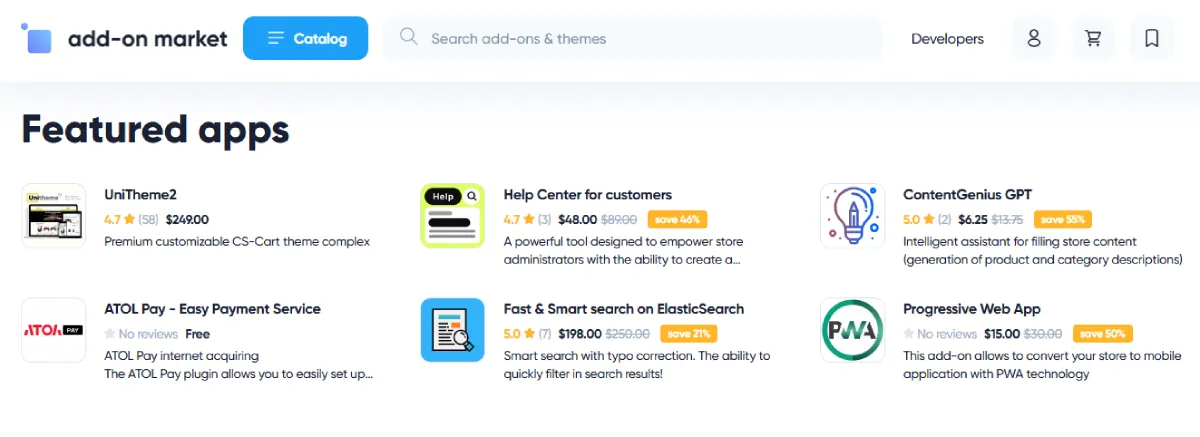
Cs-cart’s add-on market offers a wide range of custom apps that you can use to improve the user experience on your E-commerce website. Use them to:
- Make your theme more interactive and intuitive
- Integrate promotions and product reviews
- Include customer support and help center
- Offer more payment options
- Provide search options
- Improve SEO
These apps allow you to promote, market, and manage your store while growing your business.
5. Collaborate with Influencers
Influencers can be a cheat code. These are celebrity-like people trusted by thousands or millions worldwide. They have built a massive social media presence with millions of followers who hang on to their every word.
Just imagine what one product endorsement from them could do for your brand in terms of awareness and sales.
With influencers, you don’t have to spend months nurturing your audience. An influencer recommendation can equal six months of organic or traditional audience nurturing.
But if big-name social media influencers are outside your budget, or you can’t find someone in your niche, don’t despair. Nano- and micro-influencers (influencers with fewer than 10,000 followers) cost much less to partner with and will often work for free products.
Also, while it’s vital to work with influencers in your niche so you target the right audience for your product, as long as you work with influencers in the same industry, these partnerships can pay off. For example, a niche perfume brand could see strong results by collaborating with micro-influencers who focus on lifestyle or beauty content. Even without a huge following, these voices carry credibility and help connect the brand with an engaged, relevant audience
6. Use Social Proof to Build Trust
Social proof is one of the most powerful ways to overcome objections and skyrocket conversions.
It’s all good when the company talks about how great its products are. However, existing customers lauding the company’s products unlock an extra dimension.
Since existing customers have no reason to lie or be biased, their reviews are inherently honest. Even their good reviews sometimes demonstrate transparency when mentioning product flaws or drawbacks.
These reviews are as real as they get in terms of product endorsements. They’re even more credible than influencer endorsements because nobody pays the existing customer to write the review. It’s their reflection of a genuine purchase.
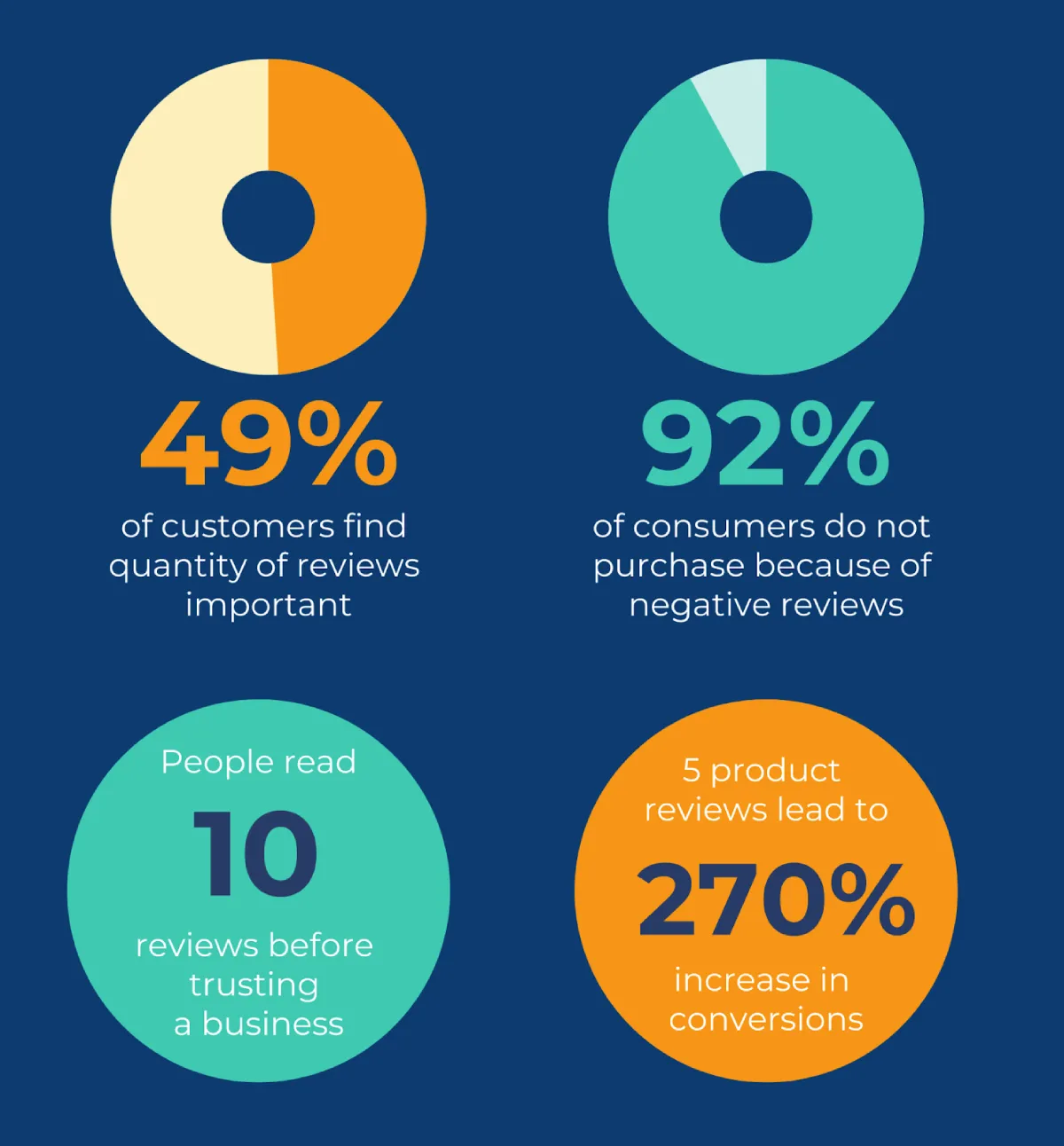
So, make sure to include social proof on your website and social media channels. Add social proof collection as part of your after-sales service. Apart from collecting a bunch of good reviews, you’ll also identify flaws in your offering.
These could be flaws related to your product, the cost, the delivery, the after-sales experience, or some other aspect of the customer’s interaction with the company. The point is that these criticisms can be used to fix your entire offering, allowing future customers to have an even better experience.
7. Prioritize Flawless Customer Experience
The service you provide beyond the product can make or break a deal. Keep in mind elements like:
- The quality of their website (as we discussed above)
- The way company employees speak to the customer
- The company’s responsiveness
- The ease of making a purchase
- The post-purchase experience
Essentially, every interaction somebody has with your company leaves an impression. Even something as ‘small’ as a social media post to the tone of your website’s content.
Invest the necessary resources to sharpen all touch points.
The upfront investment might pinch, but if done right, you can make the ROI in no time. This is especially true when investing in good salespeople.
Hire salespeople who don’t rush or pressure customers. They need to be good listeners because listening allows them to understand a customer’s needs. As a result, they can offer relevant products. It makes a world of difference when making a purchasing decision when the customer is made to feel at ease.
A big (but not necessarily an outward) part of customer service is making sure customer data is safe. Here’s where understanding tactics, techniques, and procedures (TTPs cybersecurity) used by cybercriminals is essential to safeguard your business and customer data.
Reliable shipping is another influential factor in how customers judge their experience buying from a company. To make a good first impression, consider same-day freight services.
While larger products may not be able to be shipped within a day, these specialized carriers can quickly transport heavy shipments and ensure customers receive their orders on time.
8. Offer Flexible Payment Plans
Someone’s affordability of an item increases manifold when they’re given an opportunity to spread their payments across a set number of months. Of course, everybody likes interest-free repayments. These are the likes offered by PayPal, Klarna, and ClearPay. But if you’re able to offer credit without a third-party supplier, do consider it.
There’s a big psychological difference between paying $2,000 upfront versus paying $200 per month. It’s a smaller, more manageable impact on your customer’s cash flow.
One way to offer flexible payment plans is through home improvement loans. Offering insights into these loans and how they help spread out costs can ease purchase decisions and attract customers who might otherwise hesitate to invest upfront.
Final Thoughts
Undoubtedly, high-ticket items are more challenging to offload than their lower-ticket counterparts. But the more challenging the task, the higher the reward. Apply, monitor, and refine the strategies mentioned in this blog until you hit a sweet spot.
When done right, you’ll be able to sell your high-ticket items with much more ease because your customers will feel understood, loved, and cared for. And the happier customers are, the more profitable a business will be.


Leave a Reply