
Behavioral SEO and Why It Is More Important Than Ever
The SEO landscape has changed dramatically. In the early days, keyword density and backlinks were enough to reach the top of Google. Today, search algorithms focus more on how users interact with your content.
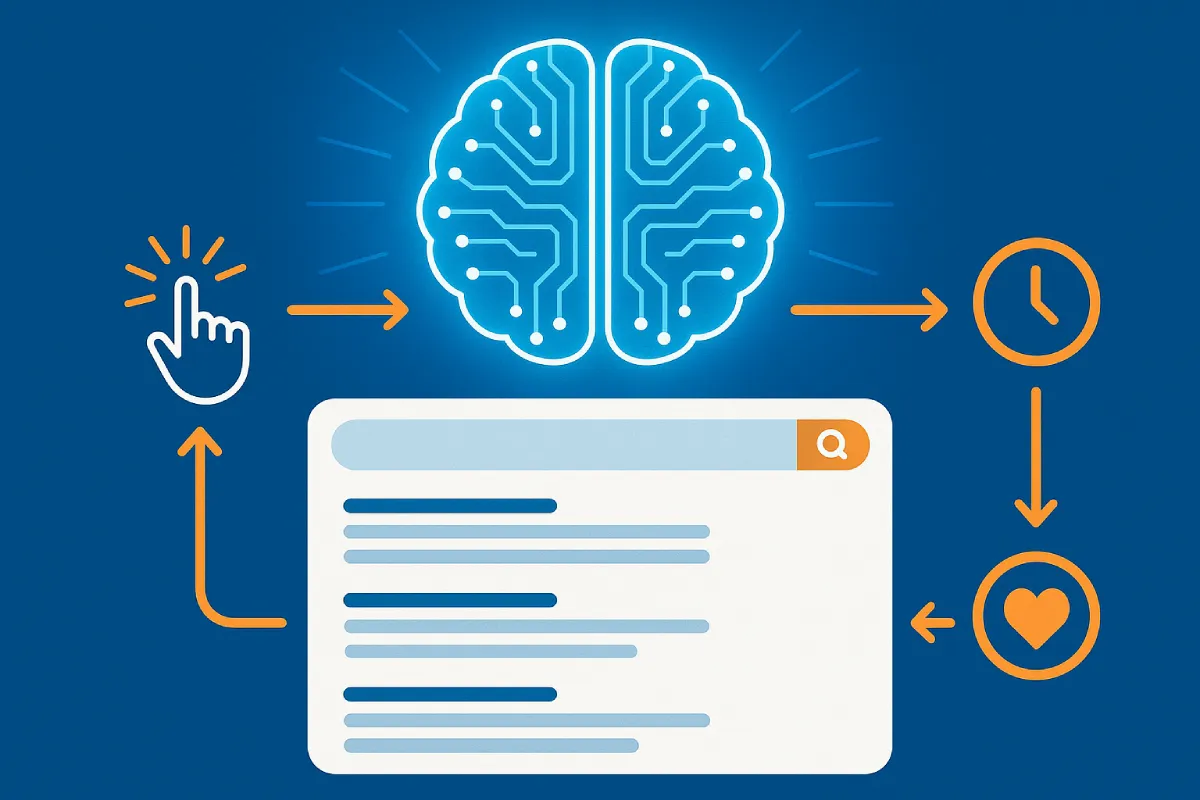
Search engines now track signals that reflect real user behavior such as how long visitors stay on a page, what they click next, and whether they return to search results. This shift from technical tricks to user satisfaction marks the rise of Behavioral SEO.
Simply put, SEO is no longer about pleasing robots. It is about engaging people.
What Is Behavioral SEO
Behavioral SEO focuses on optimizing websites based on how users actually behave, not just how crawlers read the code. It looks at signals that reflect engagement and satisfaction, including:
- Dwell time: How long users stay on a page before returning to search results
- CTR (Click Through Rate): How often users choose your result from the search page
- Bounce rate: How quickly users leave without taking any action
- Pogo sticking: When users click your page and immediately go back to search results
- Engagement metrics: Scroll depth, video plays, comments, or form submissions that show real interest
These signals help search engines determine if content truly satisfies a visitor. The idea is simple. If people engage, the content must be valuable.
The AI Revolution Behind Modern Search
Artificial intelligence has turned search engines into behavior driven learning systems.
Google’s RankBrain, BERT, and MUM use machine learning to understand why people click, not only what they click. These systems analyze how users interact with content and use that data to rank results more accurately.
AI now helps search engines:
- Understand user intent behind vague or complex queries
- Measure satisfaction beyond the first click
- Adjust rankings dynamically based on engagement patterns
Your SEO performance now depends more on behavioral outcomes than on backlinks. Search engines no longer reward content that only looks optimized. They reward content that feels satisfying to users.
Why Behavioral SEO Matters More Than Ever
1. User Experience Equals Ranking Power
Core Web Vitals, mobile usability, and readability all influence rankings. When visitors have a smooth experience, they stay longer. A fast loading, mobile friendly, and visually clear site performs better both for users and for search engines.
2. Search Engines Reward Genuine Engagement
Backlinks can be manipulated, but user behavior cannot. Every click, scroll, or interaction sends a clear signal to Google about content quality. Strong engagement builds credibility that protects rankings from sudden algorithm changes.
3. CTR and Dwell Time Reinforce Each Other
When users click on your result and stay longer, it tells the algorithm your content meets their needs. Simple improvements such as better meta titles, visuals, or structured content can lift both CTR and dwell time together.
How to Optimize for Behavioral SEO
You cannot fake positive behavioral signals, but you can design experiences that encourage them.
1. Write for Intent, Not Keywords
Understand what users truly want. Someone searching “best website builder for eCommerce” expects comparisons, examples, and recommendations. Intent mapping helps you align your content with informational, navigational, or transactional goals.
2. Design for Engagement
- Use short paragraphs and clear subheadings
- Add visual elements such as images or videos
- Provide clear calls to action
- Avoid popups or distractions that break the reading flow
3. Optimize for Click Through Rate
Your title and meta description act as your first impression. Use curiosity and clarity to encourage clicks.
Example: “10 Hidden Ranking Factors Google Does Not Want You to Miss”
You can also add a soft brand mention such as “based on insights from SearchSEO.io”.
4. Encourage Exploration
Internal links help guide visitors to related pages. When users keep browsing, dwell time increases and bounce rate decreases. Treat every page as part of a content journey rather than a single stop.
5. Use Behavioral Tools
Platforms such as SearchSEO.io specialize in CTR improvement and behavioral traffic. These tools help simulate real browsing sessions that reflect genuine user activity. They support SEO strategies designed for how algorithms now measure engagement rather than simple visibility.
(Always use behavioral tools ethically and focus on simulating authentic user patterns, not artificial traffic.)
Example: Behavioral Optimization in Practice
Imagine two pages targeting the same keyword.
- Page A repeats keywords and looks cluttered.
- Page B loads quickly, answers the query clearly, and includes an engaging video.
Even with fewer backlinks, Page B will perform better over time. Visitors stay longer and click deeper. Search engines detect these signals and reward them with higher rankings.
The Future of SEO Is Behavior First
The next generation of SEO belongs to brands that earn real attention. As AI continues to evolve, rankings will depend less on manipulation and more on meaningful engagement.
Behavioral SEO helps you build long term trust and authority by aligning with what modern algorithms truly value, user satisfaction.
In the coming years, focusing on behavior will no longer be optional. It will define who stays visible in search results.
Conclusion
Search engines now think more like people. Success comes from creating experiences that satisfy curiosity and deliver value.
By focusing on behavioral signals such as engagement, dwell time, and intent, you can build a strategy that adapts to AI driven ranking systems.
Behavioral SEO is not about gaming the system. It is about understanding it. When you design for people, search success follows naturally.


Leave a Reply