
Custom Food Packaging for Modern Food Businesses
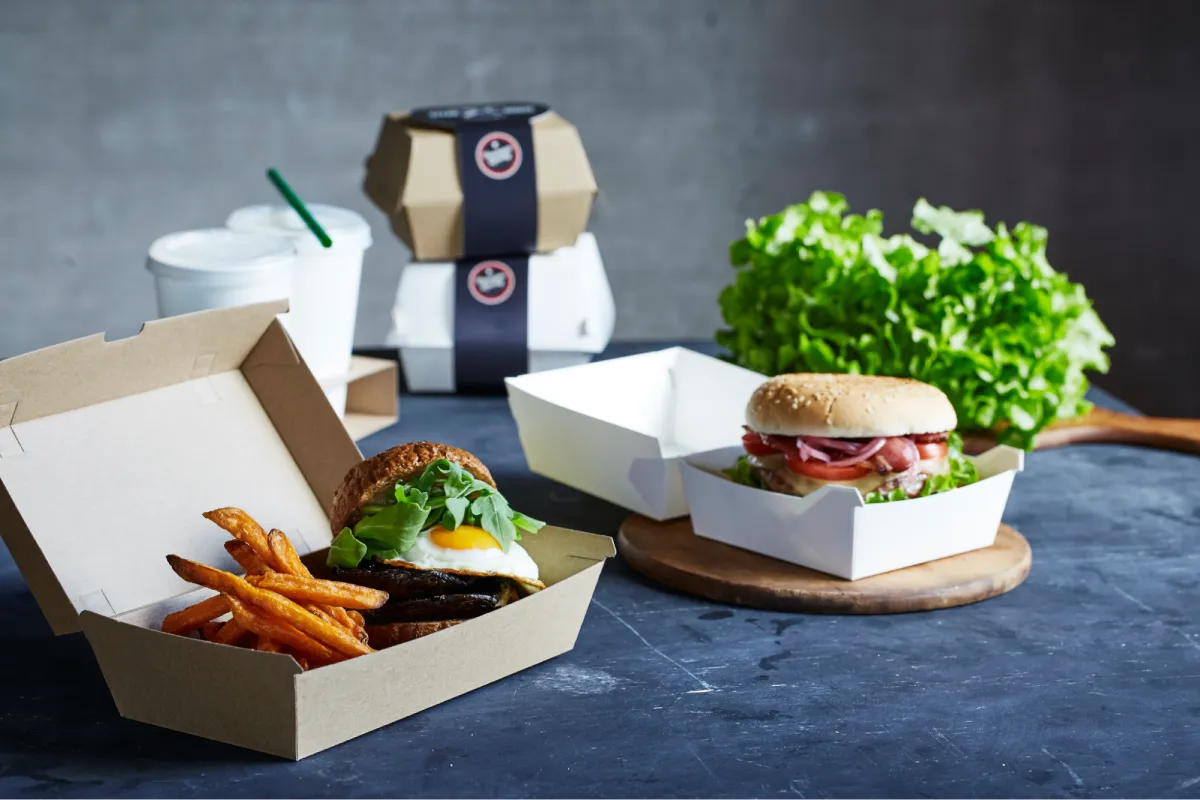
In today’s fast-paced food industry, packaging has become much more than a simple container to carry or store food. It is a strategic asset that protects products, ensures hygiene, preserves freshness, enhances customer experience, and reinforces brand identity. Whether you run a bakery, a restaurant, a catering service, or a meal delivery business, the right custom food packaging can make the difference between a satisfied customer and a lost sale.
With the rise of takeaway, delivery services, and eco-conscious consumers, food businesses must prioritize packaging that is not only functional but also visually appealing, safe, and sustainable. Consumers increasingly judge the quality of food by its packaging. A sturdy, well-designed box communicates care, professionalism, and attention to detail, whereas flimsy, poorly designed packaging can damage the food and harm the brand’s reputation. Additionally, the global shift toward eco-friendly practices has elevated the importance of sustainable packaging solutions. Biodegradable, recyclable, or reusable materials are no longer optional; they are essential to appeal to a growing environmentally conscious customer base.
Understanding Custom Food Packaging
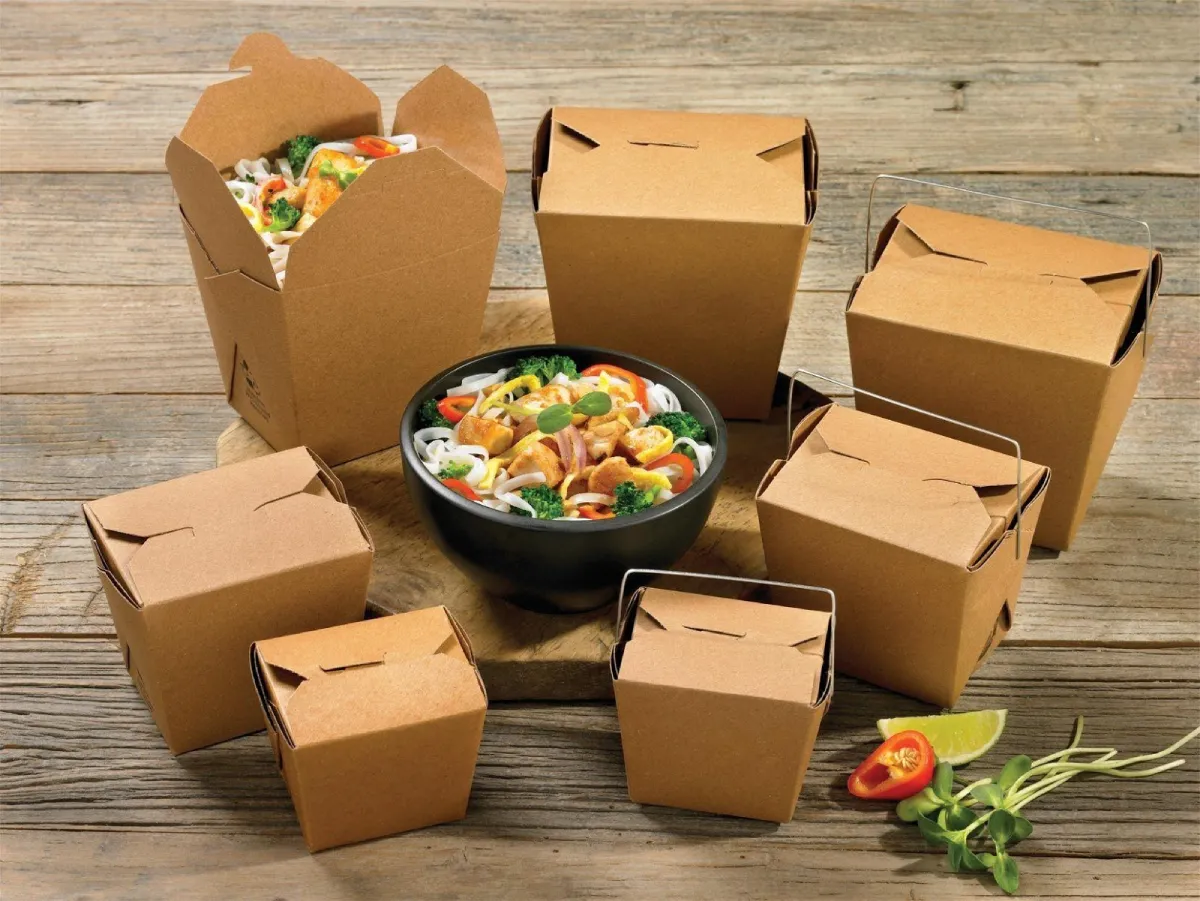
Custom food packaging refers to boxes, containers, and wraps designed to meet the specific requirements of a food product and a business’s branding goals. Unlike generic packaging, custom solutions can be tailored in terms of size, material, design, printing, and functional features to meet both operational and marketing needs.
The primary purpose of food packaging is to protect the food from contamination, damage, and spoilage, while secondary purposes include enhancing brand recognition, providing convenience, and contributing to sustainability. For example, a bakery box may use greaseproof liners to prevent oil or frosting from damaging the box, while a frozen meal container may include moisture-resistant coatings to prevent freezer burn.
For food businesses, packaging is not just a practical requirement—it is a marketing opportunity. Every box, bag, or container that leaves the business premises is a chance to create brand awareness, generate repeat customers, and encourage social media sharing. Thoughtful design, high-quality materials, and functional features all contribute to a customer’s perception of the food and the business itself.
Packaging Needs for Different Food Businesses
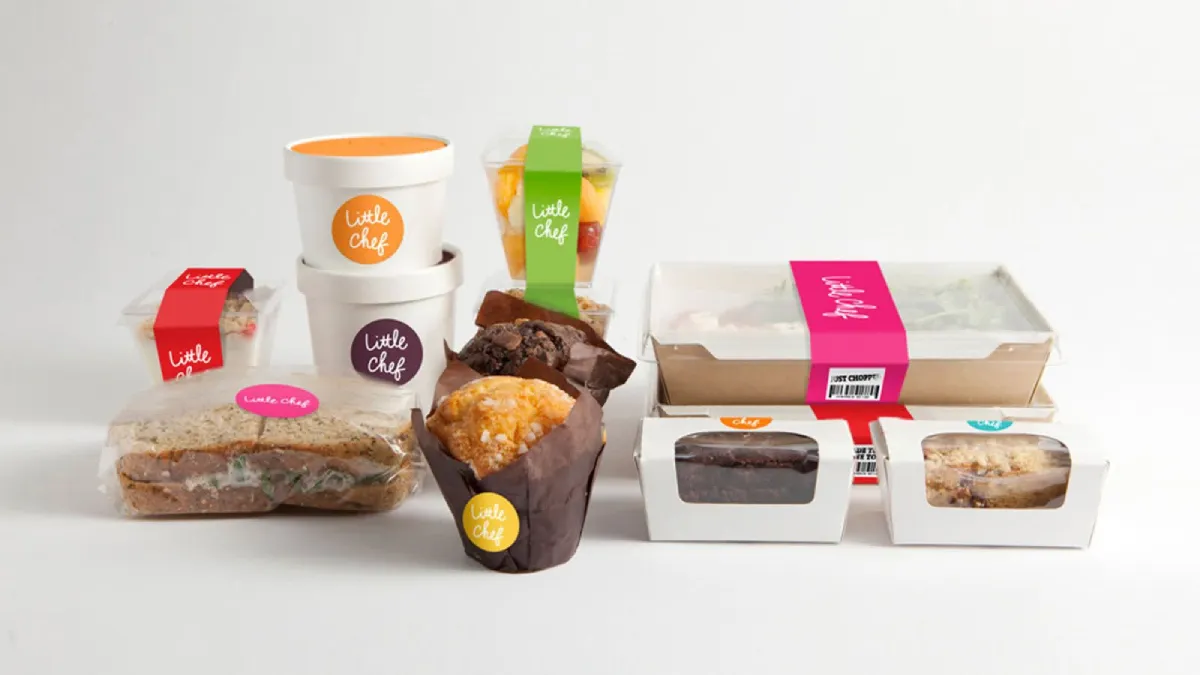
The requirements for food packaging vary depending on the type of business and the products offered. Understanding these needs ensures that food arrives in optimal condition and enhances the customer experience.
Bakeries
Bakery products such as cakes, cupcakes, cookies, and pastries are delicate and highly perishable. Packaging must prevent crushing, maintain freshness, and control moisture levels. Many bakery boxes include transparent windows that allow customers to see the product while maintaining hygiene. Greaseproof or parchment liners help prevent oils and frosting from seeping through, ensuring that both the food and the packaging remain intact.
Restaurants and Takeaway Services
Takeout and delivery meals require packaging that maintains temperature, prevents spills, and allows easy transport. Hot foods need insulated boxes that retain heat, while fried or oily items benefit from grease-resistant liners. Takeaway containers are often designed to be stackable, easy to open, and convenient for both delivery drivers and customers. Properly designed custom food boxes reduce the risk of messes, improve customer satisfaction, and enhance brand reputation.
Catering Services
Catering businesses handle large quantities of food and multiple dishes. Packaging must include dividers or inserts to prevent mixing and ensure presentation remains intact. Strong, durable materials are essential for transporting bulk orders safely, while custom designs can reinforce the business’s professionalism. Branded packaging in catering events also leaves a lasting impression, enhancing client trust and loyalty.
Meal Delivery and Subscription Services
Meal kit and subscription services require packaging that keeps food fresh, safe, and easy to assemble. Insulated boxes, ice packs, or moisture-resistant liners may be used to maintain product integrity during transit. Additionally, the packaging should be easy for the customer to open and handle, with clear labeling for ingredients, cooking instructions, and storage information. Attractive, branded packaging helps differentiate the service from competitors.
Frozen and Chilled Foods
Frozen and chilled foods require packaging that can withstand low temperatures without compromising the container’s structural integrity. Freezer-safe materials prevent cracking, moisture penetration, or freezer burn, ensuring that the food reaches the consumer in perfect condition. Packaging for frozen foods also plays a critical role in marketing. Clear, vibrant designs attract customers in crowded freezers, while printed nutritional information and reheating instructions enhance usability.
Types of Food Packaging Boxes
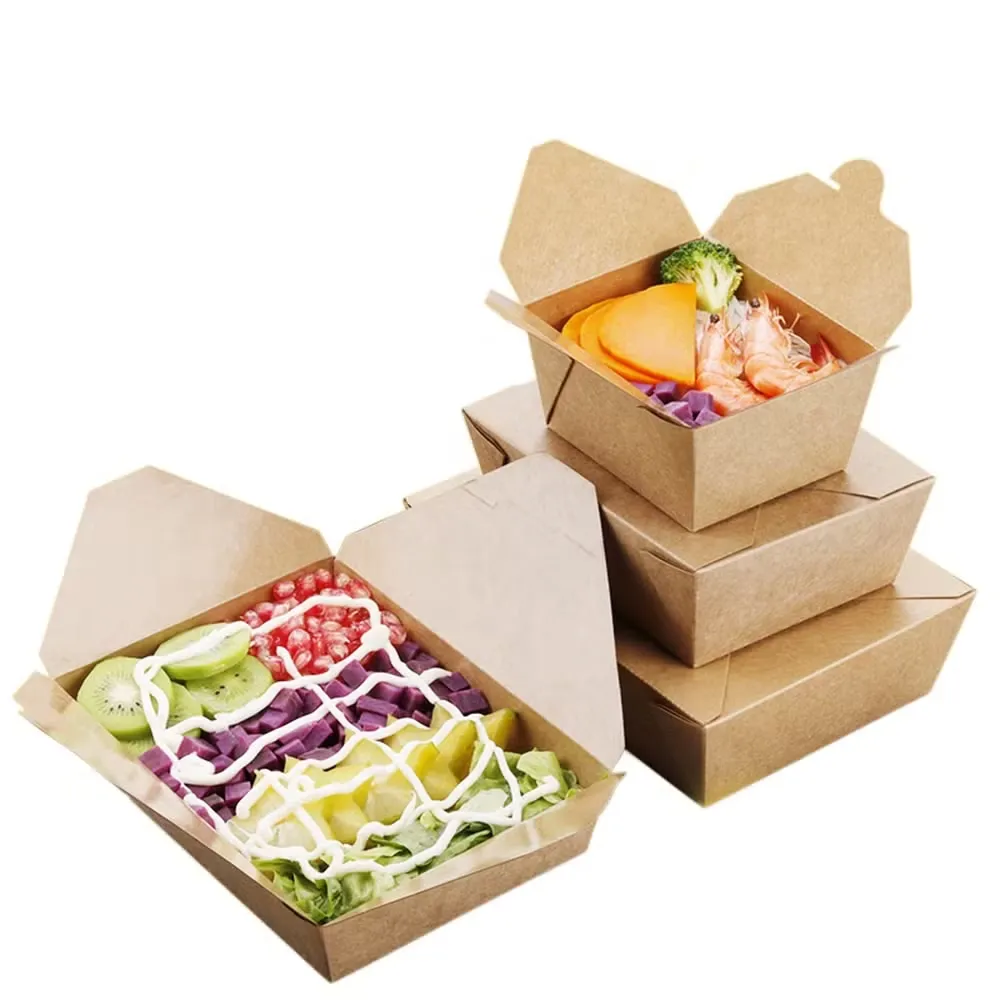
Food packaging comes in various forms, each suited to specific products and business needs. Understanding the strengths and limitations of each type allows businesses to make informed decisions.
Bakery Boxes
Bakery boxes are designed to protect fragile baked goods. They are typically made from cardboard or corrugated materials to provide sturdiness. Many include greaseproof liners to prevent oil and moisture from damaging the box or the product. Transparent windows are common, allowing customers to view the items while keeping them protected.
Bakery boxes also serve as a marketing tool. Custom prints, patterns, and logos enhance brand visibility and convey a premium feel. Size options vary from small boxes for cupcakes to larger boxes for multi-tiered cakes. Choosing the right box ensures the product maintains its shape and freshness during transport and storage.
Takeaway Boxes
Takeaway packaging prioritizes functionality, heat retention, and spill prevention. These boxes often include wax-coated or laminated cardboard, which resists moisture and grease. Some designs are stackable, improving storage and delivery efficiency.
Custom takeaway boxes often include handles or foldable structures for easy carrying. Properly designed takeaway packaging not only protects the food but also enhances the brand’s professional image. Businesses that invest in high-quality takeaway boxes can provide customers with a better dining experience at home.
Confectionery Boxes
Confectionery packaging combines protection with presentation. Chocolates, candies, and specialty sweets are often packaged in compartmentalized boxes or inserts to prevent sticking or breaking. Materials may include laminated cardboard or foil-lined interiors for moisture and temperature protection.
Confectionery boxes can be elegant, vibrant, or premium, depending on the brand’s positioning. Custom finishes, embossed logos, and high-quality printing elevate the perceived value of the product. Properly designed boxes also make confectionery items suitable for gifting, increasing their appeal.
Catering Boxes
Catering packaging is designed to handle large orders or multiple dishes safely. Boxes may include dividers or inserts to prevent sauces from spilling or items from mixing. Handles, reinforced sides, and stackable designs make transport easier and safer.
For events, branded catering boxes communicate professionalism and attention to detail. They also enhance the customer experience by ensuring food arrives intact, well-presented, and easy to serve.
Frozen and Chilled Food Boxes
Frozen and chilled foods require durable, moisture-resistant materials. Boxes may include laminated coatings or PE barriers to prevent moisture absorption and freezer burn. Some designs allow for microwave-safe heating, providing convenience for consumers.
Packaging for frozen foods is also a marketing opportunity. Bright, clear designs stand out in retail freezers, while labels provide essential information such as nutritional content, ingredients, and storage instructions.
Food-Grade Materials and Their Benefits
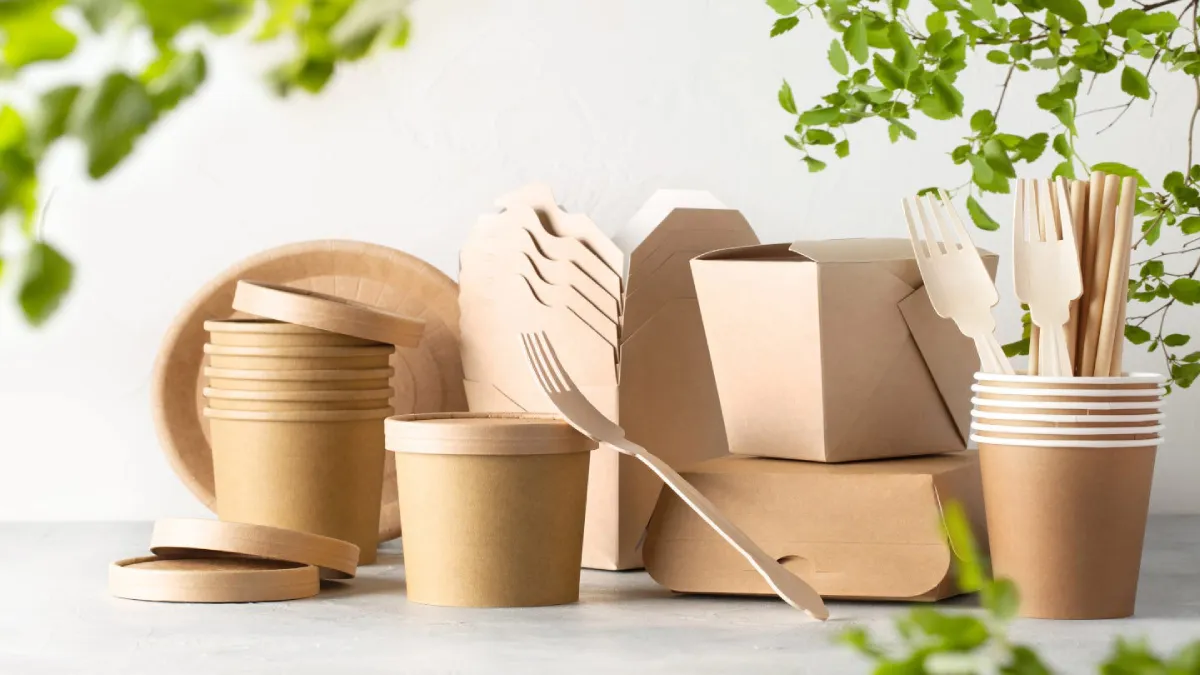
Selecting the right material is crucial for safety, durability, and functionality. Different materials serve different purposes:
Cardboard and Paperboard: Versatile, lightweight, and easy to print on, these materials are common in bakery, takeaway, and confectionery packaging. Coatings enhance moisture and grease resistance, while smooth surfaces allow for high-quality branding.
Kraft Paper: Natural and biodegradable, Kraft paper is ideal for sandwiches, snacks, and lighter food items. Greaseproof liners can be added for oily or moist foods. Its eco-friendly appeal aligns with modern consumer preferences.
Corrugated Board: Strong and durable, corrugated cardboard is suitable for bulk orders, frozen foods, and catering. It resists crushing and is ideal for heavy or fragile items. Laminated or coated corrugated board improves moisture resistance.
Sugarcane or Bamboo Pulp: These sustainable options are compostable and durable. Ideal for eco-conscious brands, they provide strength for hot or cold foods while reducing environmental impact.
Biodegradable or Compostable Plastics: PLA or cellulose-based liners protect against moisture and grease without relying on conventional plastics. These are ideal for pastries, sandwiches, and other perishable items.
Coatings, Liners, and Functional Features
Functional features ensure food reaches the customer in perfect condition. Greaseproof coatings prevent oily foods from seeping through packaging. Moisture-resistant coatings protect baked goods and fried foods from condensation.
Liners made from wax, parchment, or foil prevent sticking, preserve freshness, and extend shelf life. Dividers or inserts in multi-item boxes prevent mixing and improve presentation. For frozen or chilled foods, oxygen barriers and laminated layers help maintain quality during transport.
Branding and Customisation
Custom food packaging serves as a powerful marketing tool. Logos, colour schemes, window cut-outs, handles, and inserts allow businesses to create packaging that reflects professionalism, quality, and brand identity.
Size and shape should match the product, while printing techniques like digital printing, embossing, or foil stamping create a premium look. Well-designed packaging enhances the unboxing experience, encourages repeat purchases, and increases customer loyalty.
Trends in Food Packaging
Modern trends include eco-conscious materials, digital printing, smart packaging, minimalist designs, and premium finishes. Smart packaging with QR codes can provide ingredient information, traceability, or promotional content. Minimalist designs reduce waste while maintaining visual appeal. Premium finishes such as embossing or metallic inks elevate perceived value.
Sustainability is a growing trend, with businesses seeking compostable, recyclable, or reusable solutions. Eco-friendly packaging appeals to environmentally conscious consumers and strengthens brand reputation.
Practical Guidance for Businesses
When selecting custom food packaging, businesses should consider:
- Food type: Hot, cold, frozen, or delicate foods each require specific materials and functional features.
- Portion size and quantity: Choose box dimensions and designs that match serving sizes.
- Shelf life and storage: Fresh, frozen, or ambient foods have different requirements for preservation.
- Branding goals: Align packaging design with brand identity for maximum marketing impact.
- Convenience: Handles, foldable designs, dividers, and stackable boxes improve usability.
- Budget vs quality: Invest in quality packaging to ensure durability, functionality, and brand perception.
Bulk ordering from reputable suppliers can reduce costs and ensure consistent quality. Businesses should request samples to test materials, coatings, and durability before committing to large runs.
Regulatory and Safety Considerations

Food packaging must comply with safety regulations to protect consumers. Key points include:
- Food-grade certification: Materials must be safe for direct food contact.
- Migration tests: Ensure chemicals do not leach into food.
- Labelling: Include allergens, ingredients, storage instructions, and recycling info.
- Recycling compliance: Ensure materials meet local recycling standards.
Adhering to regulations ensures consumer safety and strengthens brand credibility.
Comparative Table of Common Materials
| Material | Durability | Grease Resistance | Eco-Friendliness | Best Use |
| Cardboard | Moderate | Medium | Medium | Bakery, takeaway |
| Kraft | High | Medium | Very High | Snacks, sandwiches |
| Corrugated | Very High | Medium-High | Medium | Frozen, catering |
| Bamboo/Sugarcane Pulp | High | Medium | Very High | Hot/cold foods, eco brands |
| PLA/Cellulose Liners | Medium | High | High | Pastries, oily foods |
Conclusion
Custom food packaging is an essential component of modern food businesses. Beyond protecting and preserving food, it communicates professionalism, reinforces brand identity, and enhances customer experience.
By selecting food-grade materials, functional features, and thoughtful designs, businesses can improve operational efficiency, reduce waste, and create memorable experiences for customers. With trends moving toward sustainability and premium presentation, investing in custom packaging is not just practical—it is strategically advantageous.
From bakery boxes with greaseproof liners to insulated takeaway containers and eco-friendly compostable options, every decision in packaging affects food quality, customer satisfaction, and brand reputation. For food businesses, custom packaging is both a protective measure and a marketing tool, ensuring products arrive safely while leaving a lasting impression.


Leave a Reply