

A Practical Guide to Creating a Safe Wellness Corner at Home
Designing a wellness corner at home has never been more popular. As people look for simple ways to manage stress, improve recovery, and create calmer routines, at-home saunas, breathwork zones, and meditation spaces are becoming part of everyday living. Yet with this growing trend comes an equally important responsibility: making sure each element of your wellness corner is used safely. Many homeowners now research guidance such as dangers of using infrared sauna before installing heat-based equipment, ensuring that their practices enhance well-being rather than introduce unnecessary risk.
A safe wellness space is more than a collection of tools, it’s a thoughtful environment where comfort, consistency, and precaution work together to support long-term health.
Why Safety Matters When Building a Home Wellness Space
Wellness practices are meant to restore the body, not strain it. Heat therapy, stretching, breathwork, and mindful movement can be extremely beneficial, but only when performed in conditions that support the body’s limits. Creating a space with appropriate ventilation, temperature control, and physical support reduces the likelihood of dizziness, dehydration, or overstimulation, issues that can arise when wellness tools are used improperly.
Homeowners often underestimate how powerful certain wellness modalities can be. Heat, for example, increases heart rate and circulation; breathwork can influence blood pressure and oxygen levels; and even quiet meditation requires a supportive, distraction-free environment. A safe space allows you to engage deeply with each practice while staying within your comfort zone.
Heat Therapy: Benefits, Precautions, and Best Practices
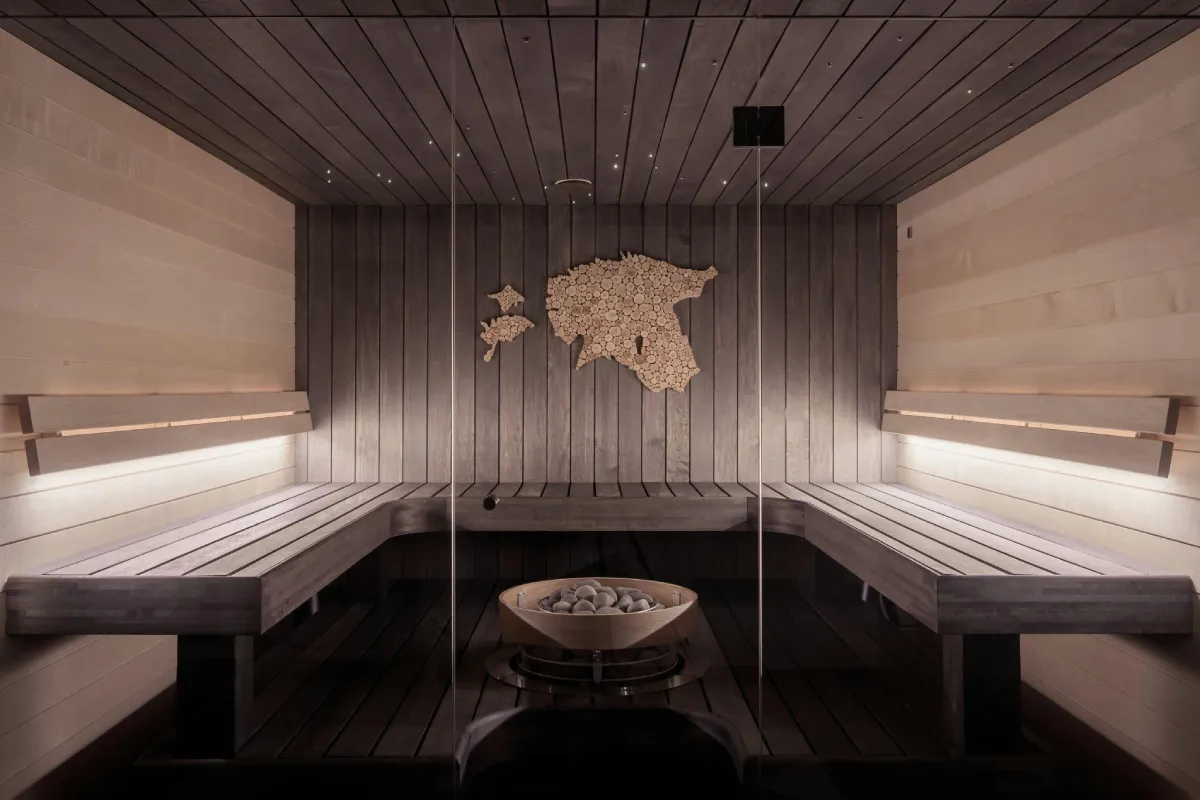
Saunas, especially infrared saunas, have become a centerpiece of many residential wellness corners. Their compact footprint and approachable technology make them accessible even in modest spaces. However, heat therapy requires respect. While most healthy adults tolerate sauna use well, overheating, dehydration, and prolonged exposure can create complications if safety guidelines aren’t followed.
The National Institutes of Health notes that heat exposure affects cardiovascular activity and hydration levels, emphasizing the importance of short sessions, proper hydration, and awareness of personal tolerance when using home saunas.
A wellness corner should therefore include simple safety supports: a water bottle within reach, a timer to track session length, and clear airflow to keep the environment breathable. Equally important is understanding your body’s signals, lightheadedness, pressure in the head, or an elevated heart rate are reminders to exit early.
By approaching heat therapy with knowledge and moderation, homeowners can enjoy its relaxation and recovery benefits without unnecessary risk.
Breathwork and Meditation: Setting Up a Grounded, Supportive Space
Breathwork and meditation are two of the safest wellness practices available, yet even they benefit from structure. Choosing a stable, comfortable seat prevents strain; keeping the space quiet minimizes overstimulation; and using soft lighting or natural textures encourages mental calm.
A safe meditation or breathwork corner should allow the body to settle. Temperature should be moderate, the floor should be slip-resistant, and posture aids, such as cushions or low stools, should be easy to access. Small touches like these prevent discomfort and allow longer, more restorative sessions.
If your wellness corner includes both heat therapy and breathwork, it’s wise to separate the two. Breathwork after a hot session can amplify physical sensations, sometimes more than intended. Giving your body a few minutes to normalize before beginning calming practices ensures a smoother, safer transition.
Movement-Based Rituals: Making Space for Mobility
Gentle mobility work, stretching, or yoga can easily fit into a home wellness corner, but the space must be designed for the body to move freely. Clear floors prevent tripping; non-slip mats reduce the chance of strain; and strategic lighting helps maintain balance during slow transitions or standing poses.
Regardless of intensity, movement practices should begin gradually. Many people experience overexertion not because the exercises are advanced, but because they rush into stretches or positions without allowing the muscles to warm. A safe routine respects the natural pace of the body, building flexibility and strength over time.
Choosing the Right Equipment for Your Wellness Goals
The best wellness corner is one that matches your personal goals, relaxation, recovery, strength-building, or emotional balance. Selecting high-quality, appropriately sized equipment ensures both comfort and longevity. For heat therapy, that may mean a compact infrared sauna; for mobility routines, a durable mat and supportive blocks; for meditation, a dedicated cushion and calming sensory elements.
Safety also includes investing in equipment from reputable manufacturers. Cheaper alternatives may overlook essential features like heat regulation, electrical safety, or structural reinforcement. When designing a space you’ll use regularly, quality becomes a form of protection.
Ventilation, Lighting, and Overall Room Design
Airflow is one of the most important, and most overlooked, elements in a home wellness setup. Fresh, steady circulation prevents overheating, reduces humidity buildup, and ensures clean air during breathwork or meditation. Windows, vents, or strategically placed fans can all contribute to a safer environment.
Lighting plays a role in comfort as well. Soft, warm illumination creates calm, while harsh overhead lighting can disrupt focus. Many homeowners choose dimmable lights or indirect lamps to support calmer transitions.
The goal is a room that feels restorative the moment you enter it, signaling to the mind and body that this is a space for pause.
Creating Rituals That Are Safe, Repeatable, and Sustainable
The most powerful wellness practices are the ones you can maintain. A wellness corner designed for safety naturally supports consistency because it removes friction, no need to rearrange furniture, move equipment, or second-guess comfort. Instead, the space is ready whenever you are.
This reliability encourages daily rituals: a short sauna session, a few minutes of breathing, ten minutes of stretching, or a quiet evening reset. Over time, these rituals build emotional resilience and physical balance.
Safety becomes not just a precaution but a foundation for long-term wellness.
Your Wellness Corner Should Support You, Not Challenge You
A well-designed home wellness corner is simple, intuitive, and aligned with your body’s needs. Whether heat therapy, meditation, or movement forms the core of your routine, the goal is the same: create a space where your well-being feels supported rather than strained.
By understanding best practices, respecting the body’s natural limits, anyone can create a wellness environment that is both soothing and safe, one that enhances well-being one day at a time.


Leave a Reply