
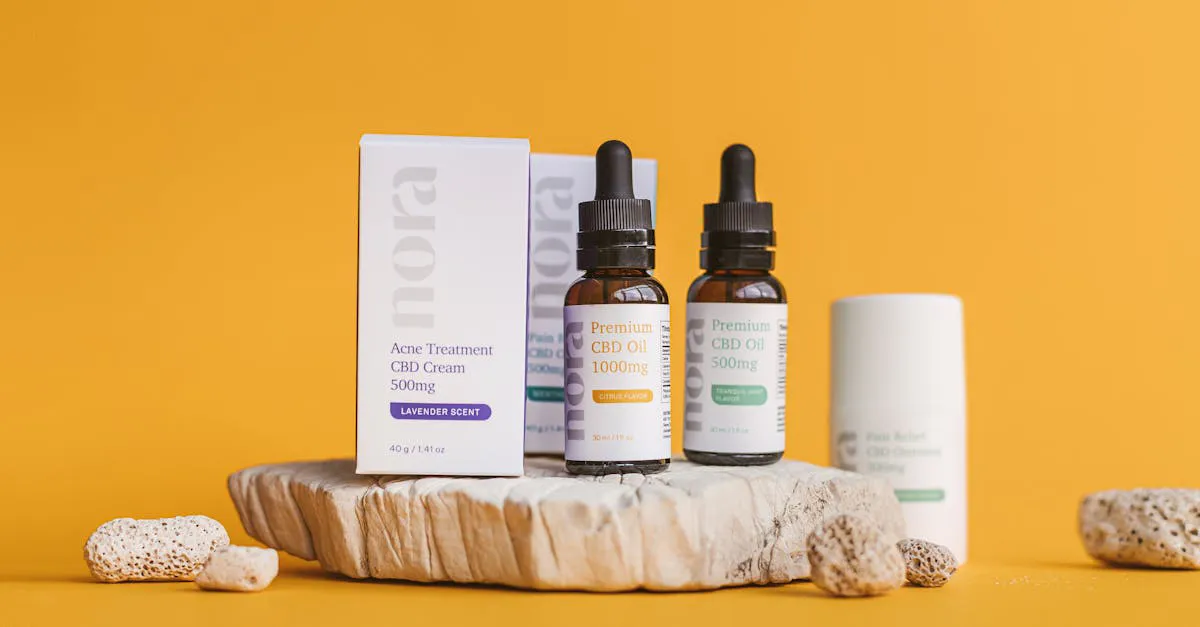
Simple Wellness Upgrades: Skincare Ingredients and Supplements That Actually Work
In our modern world, it’s easy to feel overwhelmed by the myriad of skincare products and supplements flooding the market. But what if we told you that effective wellness upgrades can be simpler than you think? By understanding the power of certain skincare ingredients and the right supplements, we can unlock the full potential of our skin without the fuss. With insights drawn from both scientific research and expert recommendations, let’s explore how these upgrades can lead us to healthier, more radiant skin.
If you’re curious about gentle skincare options, for instance, incorporating something like hypochlorous acid for face, when used properly, can be a soothing, barrier-supportive step for many skin types. And if nutrition is part of your wellness routine, supplementing with a high-quality vanilla protein powder can support overall health, which in turn reflects in the skin.
Understanding Skincare Ingredients
A solid foundation in skincare begins with understanding the products we choose. Ingredients can make or break our skincare routines, and knowing what to look for is crucial.
Key Active Ingredients in Skincare
Among the vast array of available ingredients, some stand out as especially beneficial. Here’s a snapshot of key active ingredients known for their skin health benefits:
- Hyaluronic Acid: This powerhouse hydrator can hold up to 1,000 times its weight in water, making it a prime choice for retaining skin moisture.
- Vitamin C: Renowned for its antioxidant properties, Vitamin C not only helps brighten our complexion but also combats free radicals that contribute to aging.
- Retinoids: These derivatives of Vitamin A are essential for promoting cell turnover and improving skin texture, effectively reducing signs of aging.
- Peptides: These short chains of amino acids signal our skin to produce more collagen, fostering elasticity and firmness.
Importance of Natural Ingredients
In our pursuit of wellness, we encourage the use of natural ingredients. They are typically gentler on our skin and less likely to cause irritation. Ingredients like aloe vera, chamomile, and coconut oil provide nourishment while minimizing the risk of adverse reactions. We should always consider products that harness the power of nature for both efficacy and sustainability.
The Role of Supplements in Skin Health
While topical applications are essential, we shouldn’t overlook the role of supplements in our skincare regimen. They offer additional benefits that nurture our skin from the inside out, such as L-Glutamine powder (available at: https://www.amazon.com/
Essential Supplements for Skincare
When it comes to supplements that enhance skin health, several key players come to mind:
- Omega-3 Fatty Acids: These help keep our skin hydrated and can reduce inflammation, contributing to a softer, more supple complexion.
- Collagen Supplements: As we age, our natural collagen production declines. By supplementing with hydrolyzed collagen, we can support skin elasticity and minimize the appearance of fine lines.
- Vitamin E: Known for its skin-protective properties, Vitamin E can help in the healing process of our skin, providing moisture and preventing damage.
How Supplements Complement Skincare Routine
Integrating supplements is not an alternative to our skincare regimen: rather, it’s a complement. While topical products target specific skin concerns like dryness or aging, supplements work to enhance our overall skin health. This holistic approach ensures that we address both internal deficiencies and external needs.
Best Practices for Choosing Products

Selecting the right products can feel daunting amidst so many choices. By following a few simple best practices, we can make informed decisions that support our skin goals.
Reading Labels Effectively
We should start by becoming label-savvy. Here are some tips to remember:
- Ingredient Order: Ingredients are listed by concentration. Look for active ingredients near the top of the list for effective formulas.
- Avoid Parabens and Sulfates: These chemicals can be harsh on our skin and may lead to irritation. Opt for paraben-free and sulfate-free products whenever possible.
- Patch Testing: Before diving into a new product, conduct a patch test on a small skin area to check for adverse reactions.
Incorporating Wellness Upgrades into Daily Life
Now that we’ve discussed effective ingredients and supplements, let’s talk about how to weave these wellness upgrades into our daily routines.
Simple Lifestyle Changes for Better Skin
- Stay Hydrated: Drinking enough water is crucial for skin hydration. We should aim for at least eight glasses a day.
- Balanced Diet: Consuming a diet rich in fruits, vegetables, and healthy fats helps nourish our skin from the inside.
- Consistent Sleep Schedule: A good night’s sleep is when our skin repairs itself. Prioritizing sleep can do wonders for our complexion.
- Regular Exercise: Physical activity boosts circulation, helping to deliver nutrients to the skin more efficiently.
Building a Consistent Routine
Establishing a focused skincare routine is key to seeing long-term results. A daily regimen ensures that our skin gets continuous care and attention.
We recommend following these steps:
- Cleanser: Start with a gentle cleanser to remove impurities.
- Toner: Use a toner to restore pH balance and prep the skin for better absorption of products.
- Serums and Treatments: Apply serums that contain the active ingredients we discussed.
- Moisturizer: Never skip moisturizer, as it locks in hydration. For further reading, check out Healthline’s guide on skincare ingredients.


Leave a Reply