
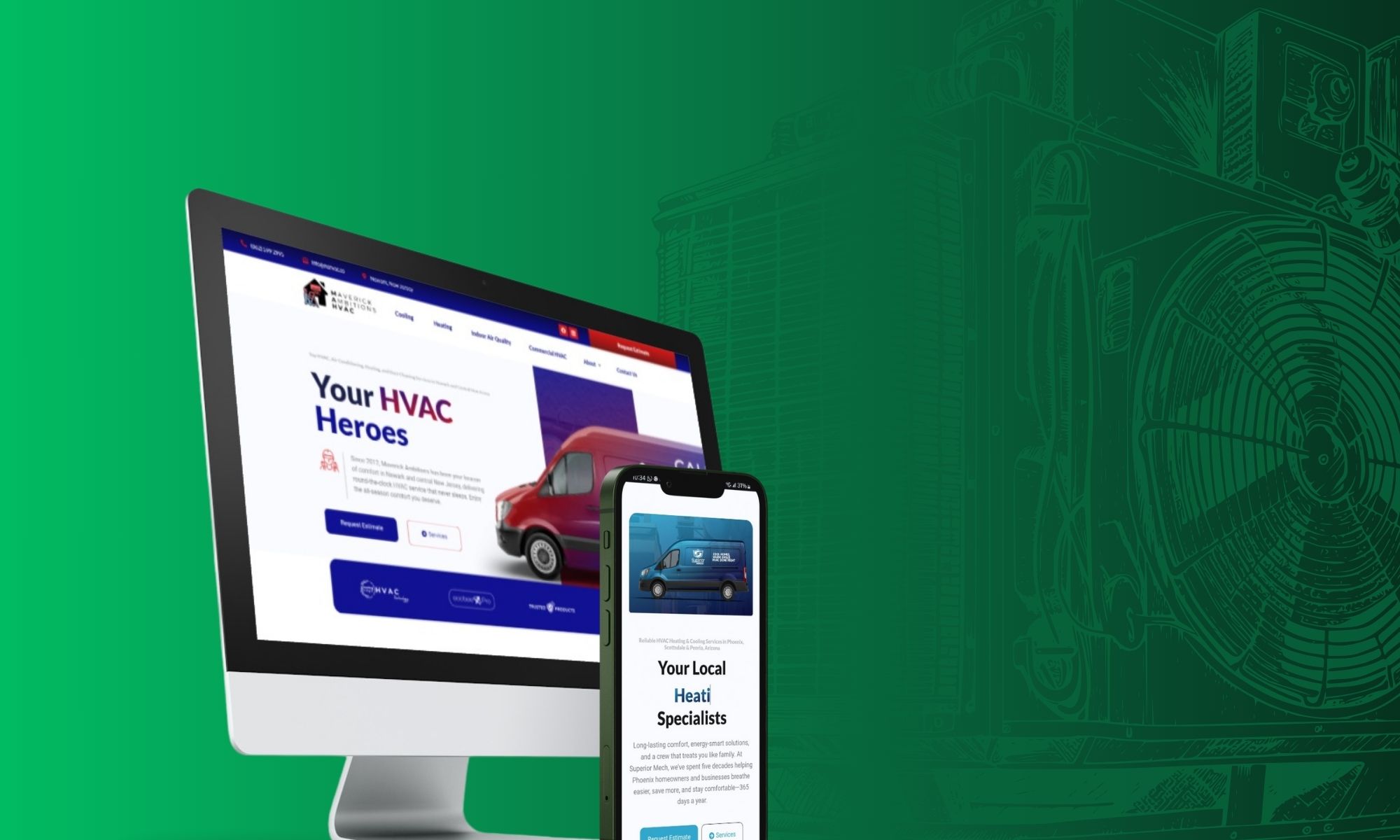
Essential Website Features Every HVAC Business Needs to Attract More Customers
In today’s digital age, your HVAC company’s website serves as the first point of contact for most potential customers. A well-designed website can be the difference between a customer choosing your services or scrolling past to your competitor.
With 97% of consumers searching online for local services according to BrightLocal’s research, having a professional, feature-rich website isn’t optional anymore; it’s essential for business growth.
Why Your HVAC Website Design Matters More Than Ever
Your website is your digital storefront, and just like a physical location, first impressions matter tremendously. A professional Heating and cooling contractor Salem, OR understands that a clean, well-organized website builds immediate credibility with potential customers. Research from Stanford University’s Web Credibility Project shows that 75% of users judge a company’s credibility based on its website design alone.
Key benefits of a well-designed HVAC website include:
- Increased customer trust and confidence in your services
- Higher conversion rates from website visitors to paying customers
- Better search engine rankings leading to more organic traffic
- Reduced customer service calls through self-service information
- Competitive advantage over HVAC companies with outdated websites
- Professional brand image that justifies premium pricing
Building Trust Through Authentic Visual Content
One of the biggest mistakes HVAC companies make is relying heavily on generic stock photography that fails to connect with local customers. Your website should showcase real images of your actual technicians, completed projects, and genuine customer interactions. This authenticity creates an immediate connection and helps potential customers visualize working with your specific team rather than some faceless corporation.
Real Team Photos Build Personal Connections
Displaying genuine photos of your HVAC technicians creates familiarity before the first service call even happens. Customers feel more comfortable when they can see the friendly faces of the professionals who will enter their homes. According to Nielsen Norman Group research, authentic images increase user engagement by up to 40% compared to stock photos.
Before and After Project Galleries Demonstrate Expertise
Showcasing your actual HVAC installation and repair work provides tangible proof of your capabilities and attention to detail. High-quality photos of completed projects help customers understand the quality they can expect from your services. These visual testimonials often speak louder than written descriptions and can be the deciding factor for hesitant customers.
Local Landmarks and Service Area Images
Including photos of recognizable local landmarks and neighborhoods you serve reinforces your connection to the community. This localization strategy helps customers immediately identify you as a nearby, accessible service provider. The Federal Trade Commission emphasizes the importance of clear service area disclosure for consumer protection and transparency.
Video Content Showcasing Services
Short video clips of your team in action, explaining common HVAC issues, or providing maintenance tips establish expertise and approachability. Video content has become increasingly important, with Wyzowl reporting that 89% of consumers want to see more video content from businesses. These videos can be educational, promotional, or customer testimonials that bring your brand to life.
Mobile-Optimized Image Loading
All images must load quickly on mobile devices, as Google reports that 53% of mobile users abandon sites that take longer than three seconds to load. Properly compressed, optimized images ensure your authentic visual content doesn’t slow down the user experience. Fast-loading, high-quality images contribute to better search engine rankings and customer satisfaction.
Leveraging Trust Signals and Social Proof
Trust signals are critical elements that reassure potential customers they’re making the right choice by selecting your HVAC services. Integrating multiple review platforms, certifications, and credentials throughout your website creates layers of credibility that overcome customer hesitation.
The Consumer Review Fairness Act protects consumers’ rights to share honest reviews, making transparent display of customer feedback more important than ever.
Multiple Review Platform Integration
Displaying reviews from Google, Yelp, Facebook, and industry-specific platforms like Angie’s List provides comprehensive social proof. Each platform attracts different customer demographics, so showcasing reviews from multiple sources captures a broader audience. Real-time review widgets that automatically update keep your social proof current and demonstrate ongoing customer satisfaction.
BBB Accreditation and Industry Certifications
Prominently featuring Better Business Bureau accreditation, NATE certification, and EPA credentials immediately establishes your company’s legitimacy. These third-party validations from recognized industry bodies reassure customers that your business meets rigorous professional standards. According to BBB research, 83% of consumers trust businesses with BBB accreditation more than those without it.
Detailed Customer Testimonials with Photos
Written testimonials that include the customer’s name, photo, and specific details about the service received carry significantly more weight than anonymous reviews. These detailed stories help potential customers relate to similar situations and imagine their own positive experience. Video testimonials take this trust-building even further by adding authenticity through voice and emotion.
Service Guarantees and Warranties
Clearly displaying your satisfaction guarantees, warranty information, and service commitments reduces the perceived risk of choosing your company. Specific details about what’s covered and for how long demonstrate confidence in your workmanship. The Magnuson-Moss Warranty Act requires clear disclosure of warranty terms, making transparency both a trust-builder and legal requirement.
Years in Business and Community Involvement
Highlighting your company’s longevity and community engagement demonstrates stability and local commitment that customers value. Showcase any charitable work, local sponsorships, or community partnerships that prove you’re invested in the area beyond just business.
For example, hvacministries.org effectively demonstrates community connection through their local presence and customer-focused approach.
Industry Awards and Recognition
Displaying any awards, “Best of” recognitions, or industry honors your company has received provides external validation of your excellence. These achievements differentiate your business from competitors and give customers additional confidence in their decision.
Even local Chamber of Commerce awards or customer service excellence recognition can significantly impact customer perception.
Strategic Calls-to-Action and Conversion Tools
Clear, compelling calls-to-action (CTAs) guide website visitors toward taking the next step in becoming customers. Your website should make it effortlessly easy for potential customers to schedule service, request estimates, or contact your team. The U.S. Small Business Administration emphasizes that effective CTAs can increase conversion rates by up to 80% when properly implemented.
Emergency Service Contact Buttons
A prominently displayed emergency contact button or phone number should be visible on every page for urgent HVAC needs. This feature is particularly crucial during extreme weather when heating or cooling failures become emergencies. Click-to-call functionality on mobile devices removes friction and connects distressed customers to help immediately.
Online Booking and Scheduling Systems
Integrated scheduling tools allow customers to book appointments 24/7 without waiting for business hours or speaking to anyone. This convenience factor appeals to busy homeowners who prefer to manage service appointments on their own schedule. According to Accenture research, 77% of consumers prefer to schedule service appointments online rather than calling.
Free Estimate Request Forms
Simple, non-intrusive forms that request basic information for free estimates capture leads without overwhelming visitors. Keep form fields minimal (name, contact info, brief description) to reduce abandonment rates. Clear messaging about response times and what customers can expect builds trust in the estimate process.
Downloadable Resources and Checklists
Offering free HVAC maintenance checklists, seasonal preparation guides, or energy-saving tips provides immediate value to website visitors. These resources position your company as helpful experts while capturing email addresses for future marketing. Educational content builds goodwill and keeps your brand top-of-mind when customers eventually need services.
Live Chat Support
Implementing live chat functionality allows you to answer questions and address concerns in real-time, significantly improving conversion rates. Even AI-powered chatbots that handle basic questions outside business hours provide better customer service than no response at all. Drift reports that businesses using live chat see conversion rates increase by an average of 45%.
Pre-Described Service Packages and Transparent Pricing
Customers appreciate transparency and clearly defined service options that help them understand what they’re purchasing. Creating specific service packages with detailed descriptions reduces confusion and speeds up the decision-making process. The Department of Energy provides guidelines for energy-efficient HVAC systems that can inform your service package descriptions.
Effective service package elements include:
- Detailed scope of work for each service tier
- Clear pricing or price ranges when possible
- What’s included versus what costs extra
- Estimated completion timeframes
- Warranty coverage for each service level
- Maintenance plan options with frequency details
- Seasonal specials and promotional offers
| Service Package | Included Services | Ideal For | Pricing Range |
| Basic Tune-Up | System inspection, filter replacement, basic cleaning | Annual maintenance | $89-$129 |
| Complete Service | Full system diagnostic, cleaning, minor repairs, efficiency testing | Seasonal preparation | $179-$249 |
| Premium Care Plan | Bi-annual service, priority scheduling, 15% repair discount, extended warranty | Year-round protection | $299-$399/year |
| Emergency Repair | 24/7 availability, diagnostic, parts, labor | Urgent breakdowns | $150+ depending on issue |
| New Installation | Full system replacement, ductwork inspection, thermostat upgrade, disposal | System replacement | $3,500-$12,000 |
Conclusion
Creating a high-performing HVAC website requires careful attention to features that build trust, demonstrate expertise, and make it easy for customers to take action. By incorporating authentic imagery, multiple trust signals, strategic CTAs, and transparent service information, your website becomes a powerful customer acquisition tool rather than just an online brochure.


Leave a Reply