
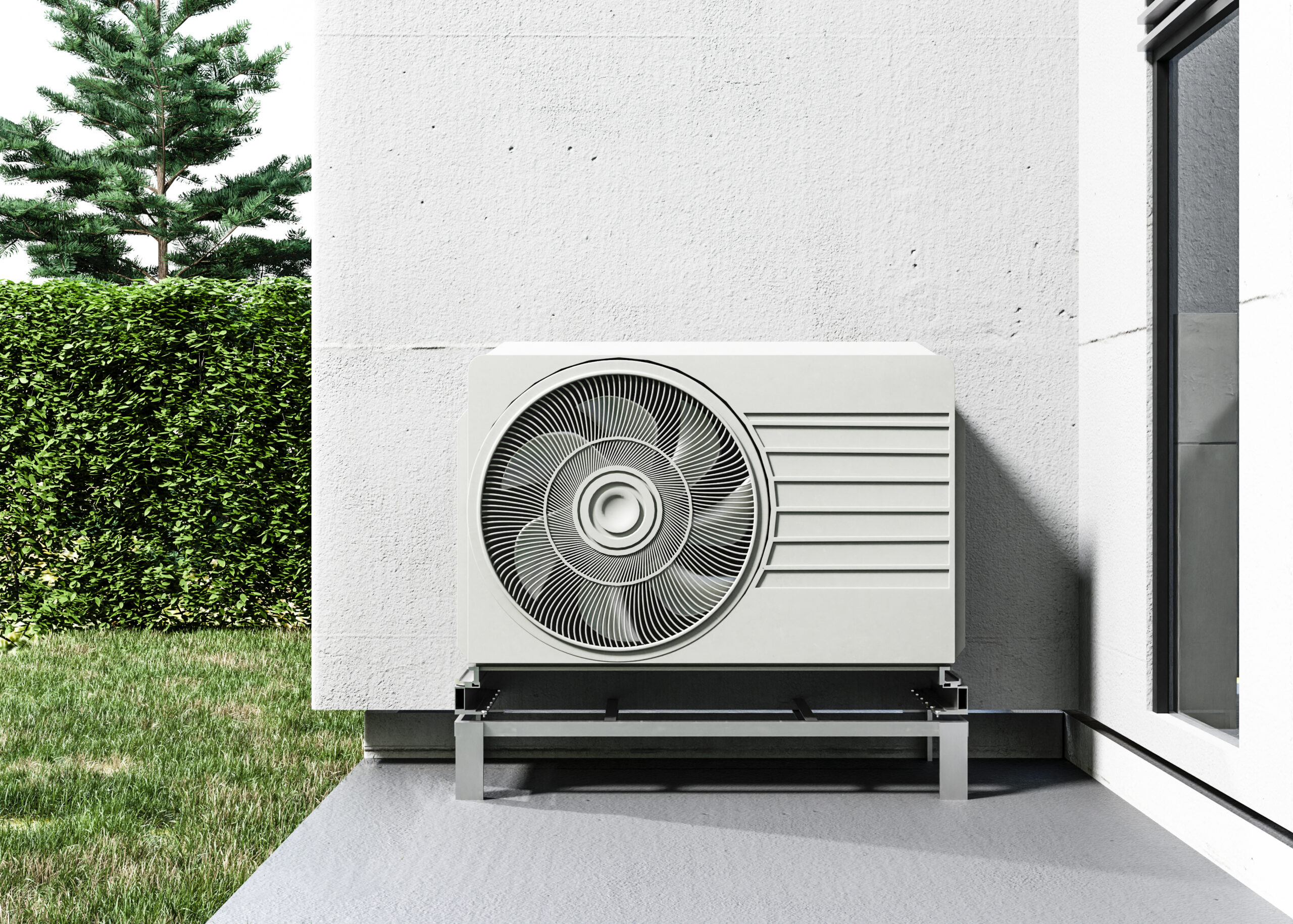
The Performance Factor: How Installation Quality Determines Heat Pump Lifespan
A heat pump represents a significant investment in your home’s comfort and energy efficiency, but the quality of installation directly impacts how long your system will last. Even the most advanced, high-efficiency heat pump will underperform and fail prematurely if not installed correctly.
Understanding the connection between professional installation practices and equipment longevity helps you protect your investment and ensure decades of reliable heating and cooling.
Why Professional Installation Makes All the Difference
Heat pump systems are complex pieces of equipment that require precise installation techniques to function properly and achieve their expected lifespan. Choosing an experienced HVAC contractor in Paramus, NJ professionals like Advanced Mechanical Services ensures your system receives the meticulous attention to detail that separates adequate installations from exceptional ones.
Proper installation provides these critical advantages:
- Accurate refrigerant charging that prevents compressor damage and efficiency loss
- Correctly sized equipment that matches your home’s specific heating and cooling demands
- Proper airflow balance throughout your entire duct system
- Secure electrical connections that prevent safety hazards and component failures
- Optimal placement of outdoor and indoor units for maximum efficiency
- Thorough system testing and calibration before technicians leave your home
Critical Installation Factors That Impact Longevity
Multiple technical aspects of heat pump installation directly influence how long your system operates efficiently. Each element requires specialized knowledge and careful execution to ensure optimal performance throughout your equipment’s lifespan.
-
Precise Refrigerant Charge Levels
Heat pumps require exact refrigerant amounts to transfer heat efficiently between indoor and outdoor environments.
Too little refrigerant forces your compressor to work harder, generating excessive heat that accelerates wear and can lead to catastrophic failure within just a few years.
Too much refrigerant creates liquid slugging that damages compressor valves and reduces system efficiency while shortening equipment life.
-
Correct Equipment Sizing and Load Calculations
Oversized heat pumps cycle on and off frequently, never running long enough to remove humidity properly or achieve steady-state efficiency.
This short cycling causes excessive wear on electrical components and the compressor itself, potentially cutting your system’s lifespan in half.
Undersized units run continuously trying to meet demand, overworking every component and failing to maintain comfortable temperatures during extreme weather.
-
Proper Ductwork Design and Sealing
Leaky or poorly designed ductwork forces your heat pump to work harder to maintain desired temperatures, putting unnecessary strain on the blower motor and compressor.
Air leaks can waste 20 to 30 percent of your conditioned air before it reaches living spaces, making your system run longer cycles that accumulate operating hours faster.
Professional installers seal all duct connections properly and ensure adequate return air pathways.
-
Quality Electrical Connections and Wiring
Heat pumps draw substantial electrical current during operation, and loose or undersized wiring creates resistance that generates heat at connection points.
These hot spots accelerate wire insulation breakdown and cause voltage drops that strain your compressor and other motors.
Professional electricians verify proper wire gauge, install correctly rated breakers, and use appropriate disconnect switches that protect your equipment.
-
Strategic Unit Placement and Clearances
Outdoor units need adequate clearance for proper airflow and easy access for maintenance, yet many improper installations place units too close to walls, fences, or vegetation.
Restricted airflow reduces heat exchange efficiency, forcing your system to work harder and run longer to achieve the same results.
Indoor air handlers require proper clearance for filter changes and coil cleaning to maintain peak performance.
-
Thorough System Testing and Commissioning
Complete system commissioning involves testing every operating mode, verifying temperature differentials across coils, checking amp draws on all motors, and confirming proper defrost cycle operation.
Skipping these crucial tests means potential problems go undetected until they cause component failures weeks or months later. Experienced technicians spend adequate time verifying that every aspect operates within manufacturer specifications.
Long-Term Performance Benefits of Quality Installation
Beyond preventing premature failure, professional installation practices create lasting advantages that enhance your heat pump’s performance throughout its entire service life. These benefits compound over time, delivering greater comfort and lower operating costs.
-
Consistent Energy Efficiency Over Time
Properly installed systems maintain their rated efficiency specifications year after year because all components work in harmony as designed.
Correct refrigerant charge and airflow mean your heat pump doesn’t waste energy compensating for installation deficiencies.
This sustained efficiency translates to lower utility bills throughout your system’s 15 to 20-year lifespan, saving thousands of dollars.
-
Reduced Repair Frequency and Costs
Quality installation eliminates many common failure points that plague improperly installed systems, meaning fewer service calls and lower repair expenses.
When installations are completed by skilled professionals offering heat pump services, you avoid problems that stem from fundamental installation errors.
Components last longer when they operate under proper conditions, reducing replacement needs for parts that fail prematurely.
-
Enhanced Indoor Comfort Consistency
Systems installed correctly maintain even temperatures throughout your home without hot or cold spots that indicate airflow imbalances.
Proper humidity control during both heating and cooling seasons creates a more comfortable indoor environment regardless of outdoor conditions.
Your family enjoys consistent comfort without temperature swings from short cycling or inadequate sizing.
-
Better Warranty Protection
Most heat pump manufacturers require professional installation by licensed contractors to validate warranty coverage and may deny claims if inspections reveal improper installation practices.
Quality installers document their work thoroughly and ensure all installation requirements meet manufacturer specifications. This protection becomes crucial if major components fail during the warranty period, potentially saving thousands in replacement costs.
-
Optimal Cold Weather Performance
Heat pumps installed correctly maintain heating capacity and efficiency even during cold winter conditions when heating demand peaks.
Proper refrigerant charge becomes especially critical for cold weather operation, as incorrect levels dramatically reduce heating output when you need it most.
Professional installers also ensure defrost cycles function properly to prevent ice buildup.
Selecting the Right Installation Professional
Choosing a qualified contractor for your heat pump installation requires careful evaluation of credentials, experience, and business practices. The contractor you select will directly impact your system’s performance for the next two decades.
Look for these essential qualifications when evaluating contractors:
- Active HVAC contractor license and proper insurance coverage
- NATE certification or manufacturer-specific training credentials
- Detailed written estimates that specify equipment models and installation scope
- Strong local reputation with verifiable customer references
- Willingness to perform load calculations rather than rule-of-thumb sizing
- Clear warranty information covering both equipment and installation workmanship
| Installation Quality Indicator | Professional Installation | Poor Installation | Long-Term Impact |
| Equipment Lifespan | 15-20 years | 8-12 years | 40-60% reduction |
| Energy Efficiency | Maintains rated SEER/HSPF | Loses 15-30% efficiency | $200-500 annual increase |
| Repair Frequency | 1-2 calls per decade | 4-8 calls per decade | $2,000-4,000 extra costs |
| Comfort Consistency | Even temps year-round | Hot/cold spots common | Ongoing dissatisfaction |
| Warranty Protection | Full coverage maintained | Claims often denied | $3,000-8,000 at risk |
Conclusion
The quality of your heat pump installation determines whether you’ll enjoy 15 to 20 years of reliable, efficient service or face frequent repairs and premature replacement. Professional installation practices ensure proper refrigerant charge, correct equipment sizing, quality electrical connections, and thorough system testing that protects your investment from day one.
While cutting corners on installation might save money initially, the long-term costs of poor workmanship far outweigh any upfront savings through higher energy bills, frequent repairs, and shortened equipment life. Invest in professional installation from qualified contractors who take pride in their work, and your heat pump will deliver decades of dependable comfort while operating at peak efficiency.


Leave a Reply