
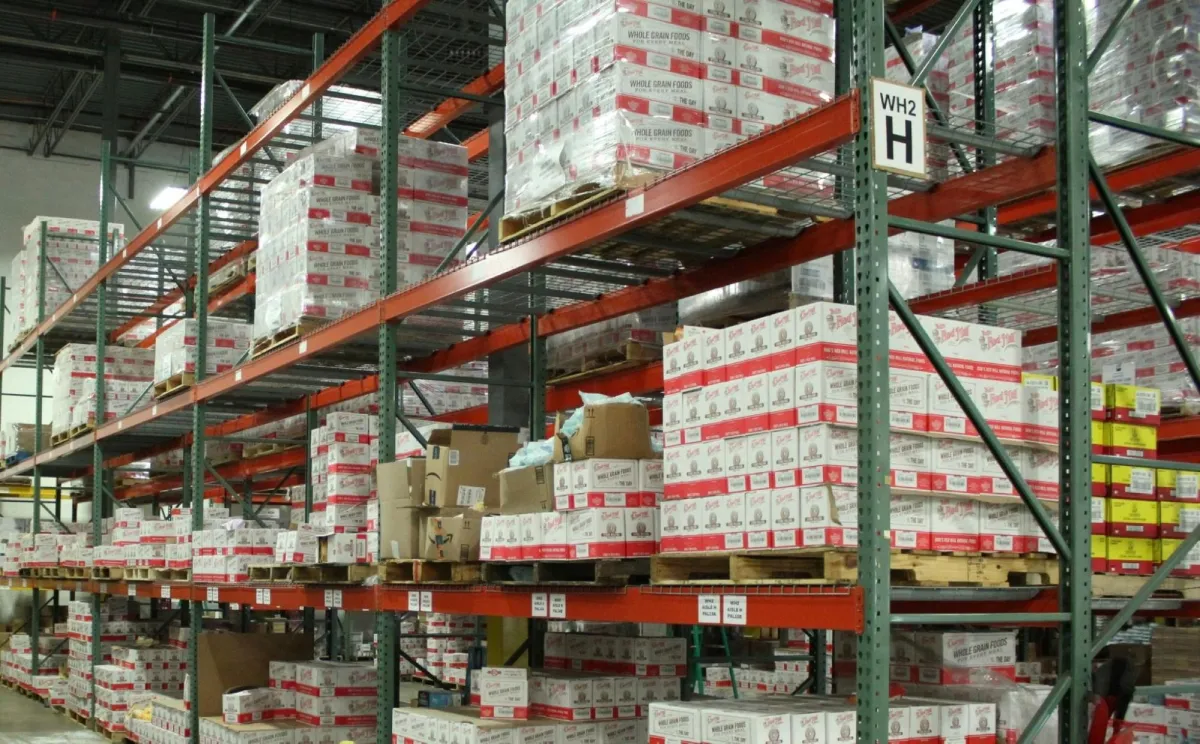
Optimizing Warehouse Operations: The Essential Role of Material Handling Equipment
Efficient warehouse operations are a critical component of any successful supply chain. From small distribution centers to large fulfillment hubs, the speed and accuracy of handling goods directly affect productivity, cost management, and customer satisfaction. For warehouse managers and logistics professionals, understanding the value of proper material handling systems is vital. A warehouse worker material handler plays a pivotal role in this process, ensuring that goods are moved, stored, and distributed efficiently within a facility. By combining the right equipment, intelligent layout strategies, and trained personnel, warehouses can achieve higher throughput and safer work environments.
This article explores the multifaceted benefits of material handling equipment, the types of systems available, best practices for implementation, and how these solutions impact workforce efficiency and overall warehouse performance.
Understanding Material Handling
Material handling encompasses the movement, protection, storage, and control of goods throughout all stages of a warehouse or distribution center. The process begins at receiving, continues through storage and order fulfillment, and ends with shipping. Effective material handling reduces manual labor, minimizes errors, and streamlines warehouse operations.
Proper handling strategies address three primary goals:
- Efficiency – Maximizing the speed and accuracy of moving goods.
- Safety – Protecting both products and workers from injury or damage.
- Cost Management – Reducing operational expenses through optimized workflows.
By understanding the full scope of material handling, warehouse managers can make informed decisions on equipment, layout, and staffing requirements.
Key Benefits of Material Handling Equipment
Investing in material handling equipment provides a multitude of operational advantages. These benefits directly impact productivity, workforce satisfaction, cost savings, and customer experience.
Increased Productivity
Material handling solutions enhance warehouse efficiency by streamlining movement and minimizing wasted time. Workers equipped with forklifts, conveyors, or automated guided vehicles (AGVs) can transport goods faster and more safely than manual handling alone. This increased speed translates to higher throughput and more timely order fulfillment.
Key productivity benefits include:
- Faster picking and packing processes.
- Reduced time spent locating and moving products.
- Ability to handle higher volumes with the same workforce.
For warehouse workers, having the right tools and equipment reduces physical strain and allows them to perform tasks more accurately and efficiently.
Cost Savings
Although implementing advanced material handling systems may require an initial investment, the long-term savings are substantial. Reduced labor costs, minimized product damage, and fewer errors all contribute to financial efficiency.
Cost-saving strategies enabled by material handling equipment include:
- Minimizing overstaffing by automating repetitive tasks.
- Reducing product loss caused by damage during manual handling.
- Lowering operational downtime through streamlined workflows.
By cutting unnecessary expenses, warehouses can allocate resources toward growth initiatives and process improvements.
Enhanced Workplace Safety
Worker safety is a top priority in warehouse environments. Material handling equipment helps mitigate the risk of injury from lifting, bending, or moving heavy items. Automated systems, powered industrial trucks, and ergonomic tools reduce repetitive motion injuries and create safer working conditions.
Safety advantages include:
- Lower incidence of musculoskeletal injuries.
- Reduced risk of accidents involving forklifts or pallet jacks.
- Enhanced compliance with OSHA regulations and safety standards.
Ensuring a safe environment also improves employee morale and retention, as workers are more likely to remain with a company that prioritizes their well-being.
Improved Inventory Accuracy
Proper material handling systems support accurate tracking and storage of inventory. Automated storage and retrieval systems (AS/RS), barcode scanning, and warehouse management software (WMS) enable real-time monitoring of stock levels. This reduces errors, prevents stockouts, and allows managers to plan replenishment more effectively.
Inventory management benefits include:
- Accurate picking and order fulfillment.
- Real-time tracking of product location and availability.
- Reduced shrinkage from misplacement or damage.
Accurate inventory management ultimately enhances customer satisfaction by ensuring orders are fulfilled correctly and promptly.
Optimized Space Utilization
Effective material handling systems make the best use of available warehouse space. Vertical lift modules, racking systems, and conveyors allow warehouses to store more products within the same footprint, reducing the need for costly expansion.
Benefits of space optimization include:
- Maximizing vertical storage potential.
- Streamlined layout design for efficient workflow.
- Flexibility to accommodate varying product sizes and volumes.
Smart utilization of space improves accessibility for workers and simplifies order fulfillment.
Enhanced Customer Service
Efficient handling of materials directly impacts customer satisfaction. When goods are stored, picked, and shipped efficiently, delivery times shorten, and accuracy increases. Customers receive orders on time, reducing complaints and improving brand reputation.
Customer service benefits include:
- Faster delivery and order processing.
- Reduced errors in shipped items.
- Improved reliability and consistency for clients.
A strong material handling system helps warehouses meet growing customer expectations in today’s competitive market.
Types of Material Handling Equipment
Material handling equipment varies widely based on warehouse size, product types, and workflow requirements. Choosing the right combination of tools and systems is critical for maximizing operational efficiency.
Powered Industrial Trucks
Powered industrial trucks include forklifts, pallet jacks, and lift trucks. These vehicles facilitate the movement of heavy loads over short or long distances within a facility. Types include:
- Electric forklifts for indoor operations.
- Counterbalance forklifts for heavy pallet handling.
- Narrow-aisle trucks for space-efficient movement.
- Automated guided vehicles (AGVs) for repetitive transport tasks.
Storage and Handling Equipment
Storage equipment organizes inventory to maximize space and accessibility. Common systems include:
- Pallet racks and shelving units.
- Mezzanines and elevated work platforms.
- Safety barriers and guardrails.
- Workstations and packing stations.
These systems enable organized storage and facilitate smooth product retrieval.
Engineered Systems and Automation
Automated systems are increasingly popular for high-volume warehouses. They reduce manual labor, increase accuracy, and improve throughput. Examples include:
- Automated storage and retrieval systems (AS/RS).
- Conveyor systems for continuous movement of goods.
- Robotic arms and material handling robots.
- Sortation systems and automated order fulfillment solutions.
Automation is particularly effective in large warehouses or e-commerce operations where speed and accuracy are critical.
Bulk Handling Systems
Bulk handling equipment moves large quantities of loose materials efficiently. Systems may include:
- Bucket elevators and screw conveyors.
- Hoppers and chutes for controlled material flow.
- Stackers and palletizers for organizing bulk items.
Bulk handling systems are commonly used in industries like food processing, agriculture, and manufacturing.
Implementing Effective Material Handling Solutions
Implementing material handling equipment requires careful planning, employee training, and system integration. Following best practices ensures the investment delivers maximum return.
Assess Operational Needs
Start by analyzing current workflows, product types, and volume levels. Identify bottlenecks, high-risk areas, and labor-intensive processes. Assessing operational needs helps determine which equipment and systems provide the most value.
Optimize Warehouse Layout
Warehouse layout directly impacts material handling efficiency. Key considerations include:
- Efficient traffic flow for workers and vehicles.
- Accessibility of high-demand products.
- Strategic placement of storage, packing, and shipping areas.
- Use of vertical space and mezzanines for increased storage capacity.
A well-designed layout minimizes unnecessary movement and supports faster order fulfillment.
Incorporate Automation Strategically
Automation should complement human labor, not replace it entirely. Determine which repetitive, high-volume tasks can be automated to increase productivity and reduce fatigue. Examples include:
- Using conveyors for transporting products between zones.
- Implementing AS/RS for high-density storage and retrieval.
- Integrating warehouse management software for real-time inventory updates.
Automation improves accuracy, reduces labor costs, and allows workers to focus on more value-added tasks.
Provide Employee Training
Proper training ensures workers can operate equipment safely and efficiently. Training programs should cover:
- Equipment operation protocols.
- Safety procedures and compliance standards.
- Efficient picking, packing, and material handling techniques.
- Use of technology and warehouse management systems.
Investing in training reduces accidents, improves productivity, and increases job satisfaction for warehouse personnel.
Monitor and Maintain Equipment
Regular maintenance and performance monitoring extend the lifespan of material handling equipment and prevent costly downtime. Consider:
- Scheduling routine inspections and preventive maintenance.
- Tracking equipment performance metrics.
- Addressing minor issues promptly to avoid major disruptions.
A proactive maintenance strategy keeps operations running smoothly and maximizes return on investment.
The Human Element in Material Handling
While equipment and automation are essential, the human workforce remains a cornerstone of warehouse operations. Skilled warehouse worker material handlers ensure that products are handled carefully, accurately, and efficiently. Combining human expertise with modern equipment creates a balanced approach that optimizes warehouse performance.
Benefits of focusing on workforce integration include:
- Improved decision-making for complex picking and packing tasks.
- Increased adaptability to changing warehouse demands.
- Enhanced safety through awareness of potential hazards.
Recognizing the role of human workers in material handling is crucial for sustainable, long-term warehouse success.
Measuring Success in Material Handling
To evaluate the effectiveness of material handling solutions, warehouses should track key performance indicators (KPIs). Important KPIs include:
- Order accuracy rate.
- Average order fulfillment time.
- Inventory accuracy.
- Equipment utilization rates.
- Worker productivity and safety incident rates.
Monitoring these metrics allows managers to identify areas for improvement and optimize both equipment and human resources.
Future Trends in Material Handling
The material handling industry continues to evolve with technological advancements. Emerging trends shaping the future of warehouse operations include:
- Robotics and Automation – Increased adoption of autonomous mobile robots and robotic picking systems.
- Internet of Things (IoT) – Smart sensors for real-time monitoring of equipment and inventory.
- Data Analytics – Using predictive analytics to anticipate demand and optimize workflows.
- Sustainable Practices – Energy-efficient equipment and eco-friendly packaging solutions.
- Flexible Systems – Scalable and adaptable solutions to handle changing product mixes and seasonal demand.
Staying informed about these trends helps warehouses remain competitive and efficient.
Conclusion
Material handling equipment is the backbone of modern warehouse operations. It increases productivity, enhances safety, improves inventory accuracy, optimizes space, and elevates customer satisfaction. By combining the right equipment, effective warehouse layout, automation, and skilled personnel, businesses can achieve a seamless and efficient workflow.
Skilled warehouse worker material handlers play a critical role in this ecosystem, ensuring that all equipment and systems function optimally. Integrating human expertise with technology creates a balance that maximizes efficiency while maintaining safety and accuracy.
For companies seeking to optimize their warehouse operations, partnering with experienced staffing solutions like NVT Staffing Warehouse Division provides access to trained and reliable personnel who can operate equipment, manage workflows, and contribute to operational excellence. By investing in both material handling solutions and skilled workforce support, warehouses can achieve lasting improvements in productivity, safety, and overall performance.


Leave a Reply