
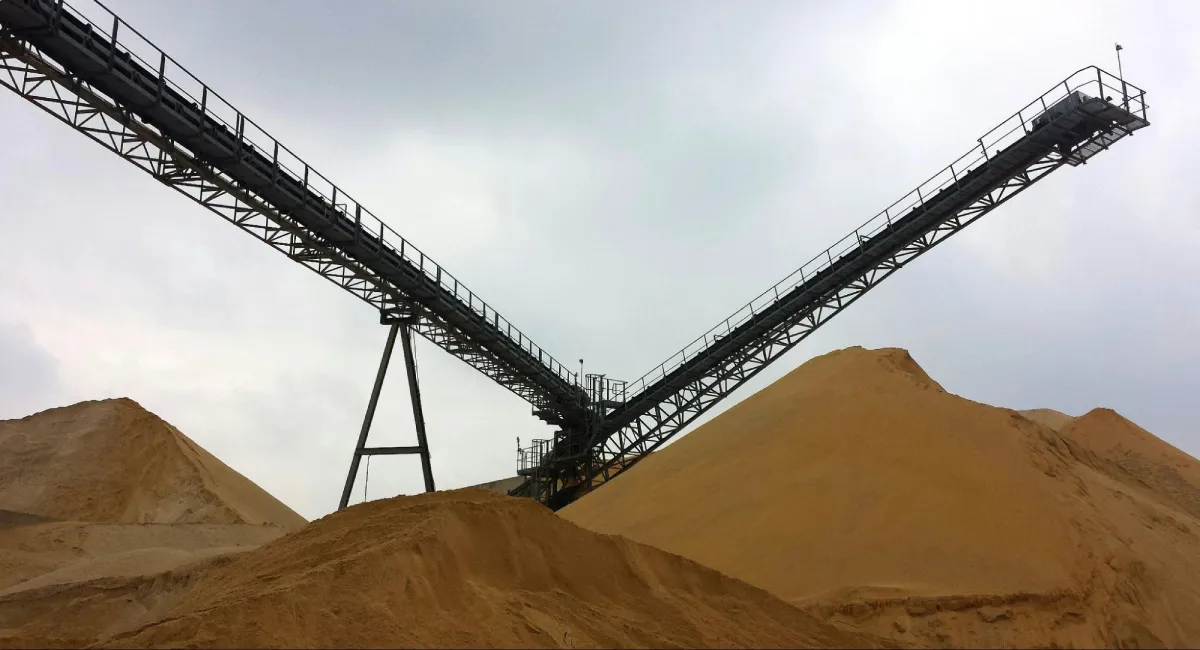
How Drag Chain Conveyors Keep Heavy Industries Moving: A Complete Guide
Every day, thousands of tonnes of raw materials travel through mines, factories, and processing plants without a single human hand touching them.
Behind this invisible movement sits one of the most reliable workhorses in industrial material handling: the drag chain conveyor.
If you operate in mining, agriculture, food processing, or power generation, understanding how these systems work can save you significant time and money.
This guide breaks down what drag chain conveyors are, how they function, where they are used, and what to look for when choosing the right system for your operation.
What Is a Drag Chain Conveyor?
A drag chain conveyor is a heavy-duty material handling system designed to move bulk materials horizontally, vertically, or on an incline.
It uses a continuous loop of chains fitted with flights or paddles to pull material through an enclosed trough from one point to another.
The core components include the chain itself, the attached flights, a drive unit that powers the system, and the trough housing that contains the material.
Together, these parts work in unison to transport everything from fine powders to large, abrasive aggregates across significant distances.
How Does a Drag Chain Conveyor Work?
The operating principle is surprisingly straightforward. A motor-driven sprocket pulls the chain assembly through the trough, and the flights attached to the chain push or drag the material along with it.
In many designs, the material actually rides on itself in what is known as an “en-masse” conveying action.
This means the bulk material moves as a single solid mass with minimal internal turbulence, tumbling, or agitation, making drag chain conveyors ideal for handling delicate or sensitive products.
Two Main Types of Drag Chain Conveyors
Not all drag chain conveyors are built the same, and understanding the two primary categories helps you make the right choice. The two main types are standard drag chain conveyors and en masse drag chain conveyors.
Standard drag chain conveyors use a smaller cross-section and take up less space inside the housing, making them a more compact option for lighter-duty applications.
En-masse conveyors, on the other hand, are designed for heavier loads and higher capacities, using the full cross-section of the trough to move material efficiently.
Certain materials automatically require the heavy-duty en masse design. These include potash, glass cullet, biofuels, fertilisers, petcoke, and various types of ash.
Key Industries That Rely on Drag Chain Conveyors
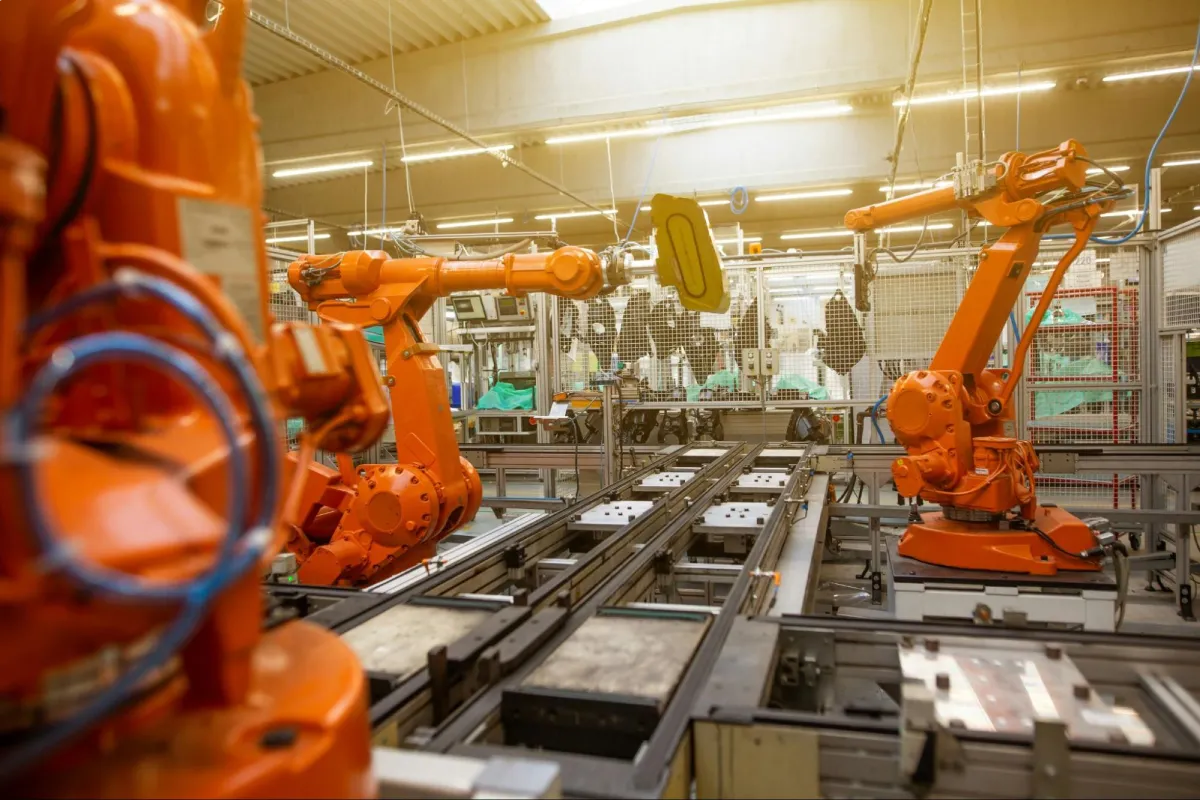
The versatility of drag chain conveyors means they appear across a remarkable range of sectors. Here are the industries where they play the most critical role.
Mining and Aggregates
Mining operations depend on drag chain conveyors to transport ores, coal, and aggregates throughout extraction, processing, and storage.
The rugged, enclosed design handles the abrasive nature of these materials while preventing dust and spillage.
Agriculture and Grain Handling
From harvesting through to processing and distribution, drag chain conveyors move grain, animal feed, seeds, and raw food mixtures.
Their gentle conveying action minimises particle degradation, which is essential when handling valuable crops.
Food and Beverage Processing
Sanitation is paramount in food manufacturing, and enclosed drag chain systems help keep products free from contaminants.
Materials like coffee, cereals, nuts, and malted barley are commonly transported using these systems.
Power Generation
Coal-fired power plants use drag chain conveyors to move coal from storage to the boiler, as well as to handle ash and other combustion byproducts.
The enclosed housing prevents dust emissions and keeps the surrounding environment clean.
Waste Management and Recycling
Sorting, processing, and disposing of recyclables and municipal solid waste all benefit from the reliability and durability of drag chain conveyor systems. These conveyors handle the unpredictable nature of waste streams with minimal downtime and smart waste management.
Cement and Construction
Hot clinker, limestone, and other construction materials often need to travel through extreme temperatures and highly abrasive conditions.
Heavy-duty drag chains with heat-treated, induction-hardened pins and hard-face welding on sliding surfaces are specifically engineered for these punishing environments.
Advantages of Drag Chain Conveyors
There are several compelling reasons why industries continue to choose drag chain conveyors over alternative systems.
The enclosed trough design prevents material loss through spillage and protects the product from external contamination.
These conveyors also handle wet, sticky, and abrasive materials with ease, something that belt conveyors and other systems often struggle with.
Their low number of moving components translates to reduced maintenance requirements and less downtime over the life of the equipment.
Energy efficiency is another notable benefit. Because drag chain conveyors move material smoothly and without unnecessary agitation, they consume less power relative to the volume of material transported.
What to Look for When Choosing a Drag Chain Conveyor
Selecting the right system starts with understanding your specific material, throughput requirements, and operating environment.
The type of material you are conveying dictates the chain construction, flight design, and trough material you will need.
Abrasive materials like minerals and ash require chains with hardened pins and wear-resistant liners. Food-grade applications demand stainless steel construction and easy-to-clean designs that pass rigorous sanitation testing.
Capacity and speed must also be carefully matched to your process. A conveyor that runs too fast can cause excessive wear, while one that is undersized will create bottlenecks that slow your entire operation.
The Importance of Choosing the Right Manufacturer
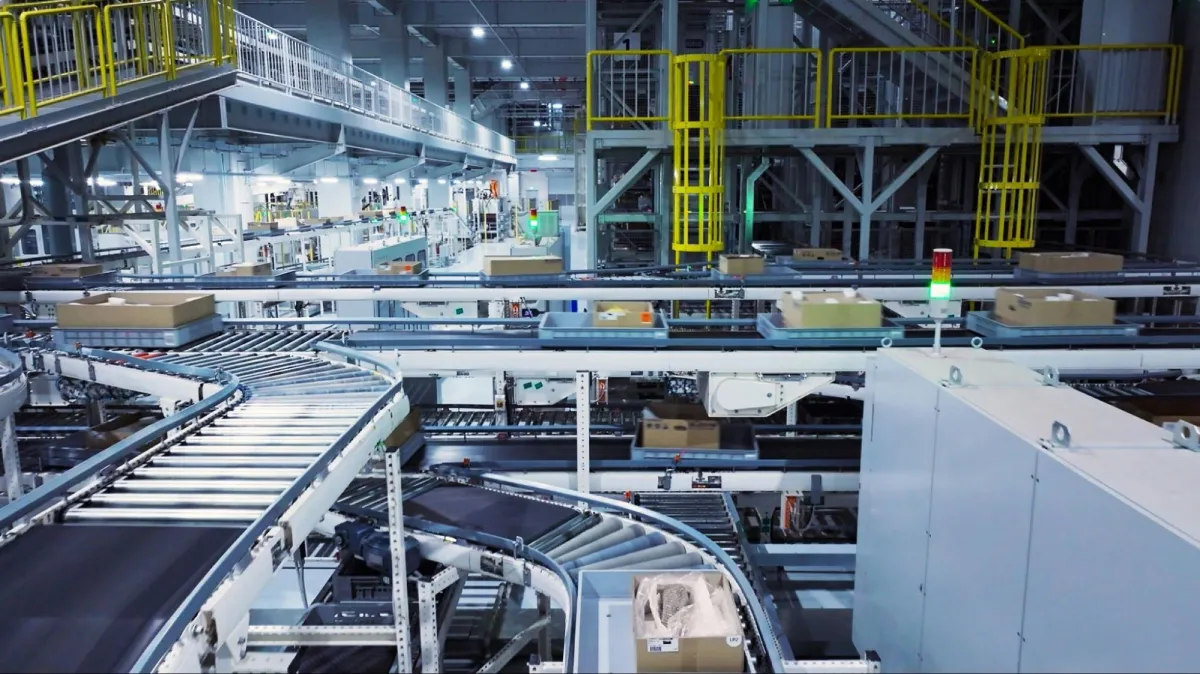
The quality of your drag chain conveyor depends entirely on the expertise and manufacturing standards of the company that builds it.
Experienced drag chain conveyor manufacturers invest heavily in design engineering, premium materials, and rigorous quality control to ensure every chain performs reliably under demanding conditions.
Look for manufacturers with ISO-certified facilities, in-house design teams, and a proven track record across multiple industries.
The ability to provide customised solutions for your specific application is also critical, because no two operations are exactly alike.
A strong manufacturer will also offer comprehensive support beyond the initial sale. This includes chain condition monitoring, component inspection and reporting, and access to a full range of conveyor accessories like head and tail shafts, sprockets, scrapers, and overload protection devices.
Maintenance Best Practices
Even the most robust drag chain conveyor requires regular attention to deliver peak performance over its full lifespan.
Chain tensioning should be checked and adjusted regularly, as improper tension accelerates wear and reduces efficiency.
Lubrication of chains, bearings, and other moving parts is equally important for smooth operation and friction reduction.
Scheduled inspections of flights, trough liners, and drive components help catch small issues before they become costly failures.
Final Thoughts
Drag chain conveyors remain one of the most dependable and versatile solutions in bulk material handling.
Their ability to handle extreme temperatures, abrasive substances, and sensitive products makes them indispensable across a wide range of industries.
Choosing the right conveyor system and the right manufacturing partner can make all the difference between an operation that runs smoothly and one that faces constant interruptions. Take the time to evaluate your needs, consult with experienced engineers, and invest in quality from the start.


Leave a Reply