
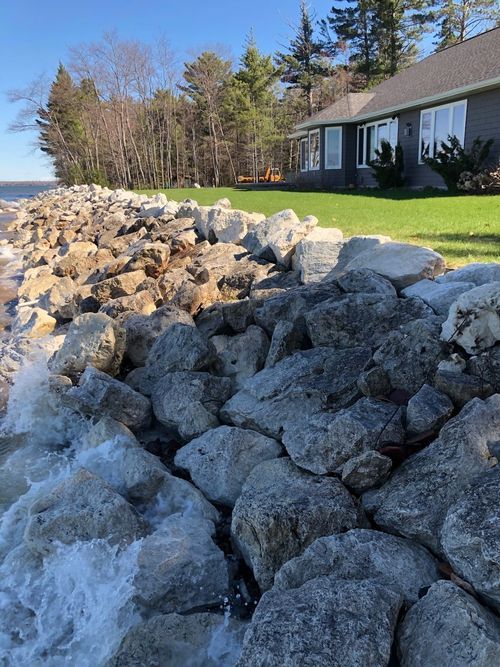
Why Professional Erosion Planning Protects Long-Term Property Stability
Land is constantly shaped by natural forces. Rainfall, runoff, gravity, and seasonal weather changes gradually influence soil movement across every property. While these processes may seem minor at first, their long-term impact can significantly alter terrain, weaken foundations, and reduce usable space. Proactive planning is essential to maintaining land stability over time.
Many property owners wait until visible signs of soil loss appear before seeking solutions. However, by that stage, erosion may already be affecting drainage patterns or structural support. Working with an Erosion control contractor allows property owners to address root causes rather than temporary symptoms.
With guidance from Mountain Stone, erosion management becomes a strategic investment in durability and safety. A structured approach helps preserve land contours, protect nearby structures, and maintain long-term functionality.
Understanding How Soil Movement Begins
Erosion is rarely sudden. It develops gradually as soil particles loosen and shift under consistent pressure.
Rainfall and runoff accelerate this movement, especially on slopes.
Identifying Contributing Factors
Bare soil, improper drainage, and vegetation loss increase vulnerability.
An Erosion control contractor evaluates these risk factors before visible damage expands.
Early identification prevents larger complications.
Managing Water Flow Effectively
Water is the primary driver of soil displacement. When runoff is uncontrolled, it gathers speed and force.
This concentrated flow weakens soil structure.
Redirecting and Slowing Runoff
Strategic grading and drainage solutions reduce pressure on vulnerable areas.
Controlling water movement preserves land contours.
Water management strengthens long-term stability.
Protecting Sloped Terrain
Slopes face greater gravitational pull and runoff acceleration.
Without reinforcement, soil gradually migrates downhill.
Stabilizing Inclines
Reinforcement techniques hold soil layers securely in place.
Proper stabilization prevents gradual land loss.
Stable slopes enhance safety and usability.
Preserving Structural Foundations
Soil stability directly influences nearby structures.
Foundations, patios, and walkways rely on solid ground support.
Reducing Settlement Risk
Preventing soil displacement minimizes uneven settling.
Strong ground support protects long-term structural integrity.
Stable soil protects investment.
Supporting Healthy Vegetation
Vegetation naturally strengthens soil through root systems.
Roots bind soil particles and slow surface runoff.
Encouraging Natural Reinforcement
An Erosion control contractor often incorporates plant support strategies.
Healthy vegetation complements structural stabilization methods.
Balanced solutions enhance resilience.
Reducing Long-Term Maintenance
Unmanaged erosion requires repeated soil replacement and grading.
These recurring repairs increase long-term costs.
Midway through property planning, Mountain Stone emphasizes how proactive erosion management reduces future maintenance demands by addressing problems at their source.
Preventing Repetitive Repairs
Stable soil reduces the need for ongoing corrective work.
Long-term solutions minimize disruption and expense.
Durability supports cost control.
Protecting Property Boundaries
Gradual soil loss can shift visible boundaries over time.
Edges near slopes or drainage areas are especially vulnerable.
Preserving Defined Contours
Strategic reinforcement maintains consistent land shape.
Protected boundaries support long-term planning.
Land preservation safeguards usable space.
Supporting Drainage System Performance
Improper drainage contributes to erosion and pooling.
Balanced systems distribute water evenly.
Enhancing Flow Efficiency
Targeted improvements prevent concentrated runoff.
Effective drainage strengthens overall site performance.
Controlled water movement reduces soil stress.
Improving Outdoor Safety
Unstable ground creates uneven surfaces and sudden drop-offs.
These hazards increase the risk of accidents.
Creating Predictable Terrain
Reinforced soil provides consistent footing.
Stable ground supports safer outdoor movement.
Safety improves with proper planning.
Enhancing Environmental Responsibility
Erosion affects more than one property.
Sediment runoff can impact neighboring land and water systems.
Supporting Ecological Balance
Thoughtful stabilization limits sediment displacement.
Responsible management protects surrounding ecosystems.
Environmental care strengthens community value.
Adapting to Changing Weather Patterns
Weather patterns shift over time, increasing erosion risk in certain regions.
Heavy rainfall and storms intensify soil displacement.
Planning for Climate Variability
Working with an erosion control contractor in Michigan ensures strategies account for long-term environmental trends.
Prepared landscapes withstand seasonal extremes.
Adaptability supports resilience.
Increasing Property Value
Visible erosion lowers property appeal.
Buyers often view unstable land as a potential liability.
Mountain Stone supports long-term property value by delivering structured erosion solutions that preserve landscape stability and functionality.
Demonstrating Responsible Ownership
Proactive soil management reassures potential buyers.
Stable land enhances market confidence.
Preserved terrain strengthens investment.
Encouraging Proactive Decision-Making
Waiting for visible land collapse limits available options.
Early intervention is less disruptive and more effective.
Building Long-Term Confidence
Professional evaluation replaces uncertainty with clarity.
Clear planning supports informed decisions.
Confidence grows through preparation.
Strengthening Overall Land Performance
Stable soil improves drainage, structural support, and landscape usability.
Balanced terrain supports diverse outdoor functions.
Supporting Sustainable Land Use
Proper reinforcement allows for safe landscaping and development.
Strong ground ensures lasting functionality.
Performance depends on stability.
Conclusion
Long-term property stability depends on managing soil movement before it becomes destructive. By controlling water flow, reinforcing slopes, protecting foundations, and supporting vegetation, professional erosion planning preserves both safety and land value. Working with an Erosion control contractor provides structured solutions that address underlying causes rather than temporary symptoms.
With strategic guidance from Mountain Stone, erosion management becomes a proactive investment in resilience and sustainability. When soil is stabilized thoughtfully, properties remain functional, secure, and prepared to withstand environmental pressures for years to come.


Leave a Reply