
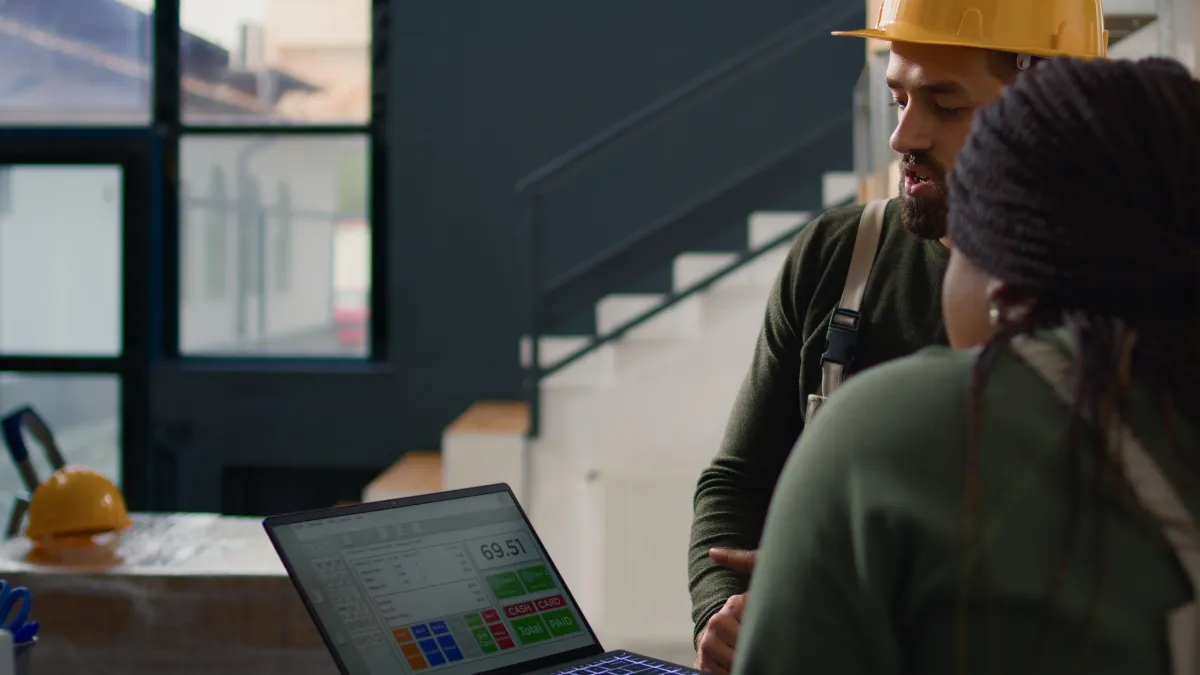
Improving Efficiency Across Industrial Worksites
Industrial sites are dynamic environments where heavy machinery, vehicles, and continuous activity define daily operations. With so many moving parts, maintaining efficiency is a constant challenge. Small inefficiencies can quickly turn into larger problems, affecting timelines, safety, and overall productivity.
A well organized site is not just easier to manage, it is more predictable. When processes are clearly defined and consistently followed, teams can focus on their tasks without unnecessary interruptions. This level of structure is what separates high performing operations from those that struggle to keep up.
Why organization plays a key role in productivity
When a site is organized, everything from vehicle movement to equipment handling becomes smoother. Workers spend less time navigating obstacles and more time completing their tasks. This leads to improved output and reduced stress across teams.
Clear pathways, designated zones, and consistent routines all contribute to better organization. These elements help create a system where each part of the operation supports the others.
The hidden costs of inefficiency
Inefficiency often goes unnoticed until it begins to impact results. Delays caused by cluttered pathways or poorly maintained areas can accumulate over time, leading to missed deadlines and increased costs.
Common hidden costs include:
- Extra time spent on avoidable tasks
- Increased wear on machinery
- Higher risk of workplace accidents
- Reduced morale among workers
Addressing these issues early helps prevent long term consequences.
Smart Systems for Cleaner Operations
Modern industrial sites rely on smart systems to maintain cleanliness and efficiency. These solutions are designed to handle demanding conditions while reducing the need for manual effort.
One effective approach is implementing wheel washing systems that help remove dirt and debris from vehicle tires before they exit the site. This not only keeps the site cleaner but also prevents contamination of surrounding areas.
Automation as a performance driver
Automation has become a central part of industrial operations. By reducing reliance on manual processes, companies can achieve more consistent results and improve overall efficiency.
Benefits of automation include:
- Faster processing times
- Reduced labor requirements
- Improved consistency across tasks
- Enhanced safety for workers
These advantages make automation a valuable investment for any operation.
Integrating technology into daily workflows
Technology is most effective when it is seamlessly integrated into existing processes. Systems should be easy to use and positioned in a way that supports natural workflows.
Proper integration involves training staff, optimizing system placement, and ensuring that equipment works reliably under different conditions. When done correctly, technology becomes an extension of the team rather than a separate component.
Responding to Changing Site Conditions
Industrial environments are constantly influenced by external factors such as weather and terrain. Adapting to these changes is essential for maintaining performance and avoiding disruptions.
Managing wet conditions effectively
Rain and moisture can create muddy surfaces that slow down operations and increase risks. Vehicles may struggle with traction, and pathways can become difficult to navigate.
To handle these challenges, businesses can:
- Reinforce high traffic areas
- Monitor weather forecasts closely
- Implement systems designed for muddy environments
Being prepared for wet conditions helps maintain stability and safety.
Controlling dust in dry environments
Dry conditions bring a different set of challenges. Dust can spread quickly, affecting visibility and equipment performance. Managing dust requires a proactive approach.
Strategies for dust control include:
- Regular monitoring of site conditions
- Using suppression techniques where necessary
- Maintaining equipment to prevent buildup
Balancing these strategies ensures that operations remain efficient in all environments.
Building Sustainable and Scalable Operations
Sustainability is becoming increasingly important in industrial sectors. Companies are looking for ways to reduce their environmental impact while maintaining high levels of productivity.
Aligning efficiency with environmental goals
Sustainable practices focus on reducing waste and minimizing the spread of contaminants. Keeping dirt and debris contained within the site is a key part of this effort.
Using solutions like wheel washing supports both operational efficiency and environmental responsibility by preventing pollutants from leaving the site.
Long term advantages of sustainable systems
Investing in sustainable practices offers more than just environmental benefits. It also contributes to stronger business performance over time.
Key advantages include:
- Lower operational costs
- Improved compliance with regulations
- Enhanced brand reputation
- Greater efficiency in daily operations
These benefits make sustainability a practical choice for modern businesses.
Practical Strategies for Daily Improvement
Improving site performance does not always require large scale changes. Small, consistent improvements can have a significant impact over time.
Establishing clear routines
Daily routines help maintain order and ensure that tasks are completed efficiently. When everyone understands their responsibilities, operations run more smoothly.
- Conduct regular inspections of key areas
- Address minor issues immediately
- Maintain clear communication between teams
- Keep equipment in optimal condition
These routines create a stable foundation for productivity.
Selecting the right tools for the job
Choosing appropriate tools and equipment is essential for achieving consistent results. The right tools simplify complex tasks and reduce the likelihood of errors.
- Prioritize durability and reliability
- Ensure compatibility with existing systems
- Focus on ease of use for operators
- Select equipment suited to site conditions
Making informed choices about tools can significantly improve efficiency.
Encouraging a culture of responsibility
A strong team culture plays a crucial role in maintaining high standards. When employees take ownership of their work, the entire operation benefits.
Encouraging responsibility involves setting clear expectations, providing proper training, and recognizing good performance. A motivated team is more likely to maintain a clean and efficient work environment.
Looking Ahead: The Future of Worksite Management
The future of industrial site management will be shaped by innovation, sustainability, and efficiency. As technology continues to advance, businesses will have access to more sophisticated tools and systems.
Companies that adapt to these changes will be better positioned to succeed in an increasingly competitive environment. By focusing on organization, investing in smart solutions, and maintaining a proactive mindset, they can build operations that are both efficient and resilient.
In the end, success comes from creating a system where every element works together seamlessly. Cleanliness, organization, and smart planning are not separate goals. They are interconnected factors that drive long term performance and growth.


Leave a Reply