
Understanding Modern AI Image Creation Tools for Creative Workflows
The way we create and edit visual content has evolved dramatically in recent years. From social media graphics to e-commerce product images, the demand for high-quality visuals continues to grow across industries. As a result, AI-powered tools are becoming a practical part of everyday workflows for creators, marketers, and design teams.
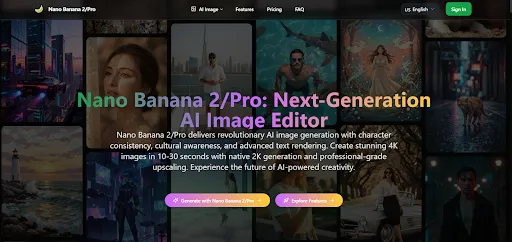
Among these tools, platforms like Nano Banana 2 are emerging as flexible solutions that help bridge the gap between creativity and efficiency. Rather than replacing traditional design processes, they aim to enhance them by reducing repetitive tasks and speeding up production.
The Rise of AI in Visual Content Creation
AI image generation is no longer limited to experimental use. Today, it plays a meaningful role in content production pipelines. Whether it’s generating concepts from scratch or refining existing images, these tools allow users to work faster while maintaining creative control.
One of the most useful developments is the accessibility of a text to image tool, which enables users to generate visuals simply by describing what they need. This approach lowers the barrier for non-designers while also giving professionals a quick way to prototype ideas.
Instead of spending hours searching for stock images or building assets from scratch, users can now generate tailored visuals in minutes.
Practical Use Cases Across Industries
AI image platforms are not one-size-fits-all solutions. Their real value comes from how they adapt to different workflows and needs.
1. Marketing and Advertising Creatives
Marketing teams often need a constant stream of visuals for campaigns, ads, and promotions. AI tools can help generate multiple variations of creatives quickly, making it easier to test different concepts.
For example, a team can create several banner designs with different styles, colors, or messaging without starting from scratch each time. This is particularly helpful for A/B testing and rapid campaign iteration.
2. E-commerce Product Visuals
Online stores rely heavily on product imagery. With AI tools, businesses can enhance product photos, generate lifestyle backgrounds, or create entirely new visual contexts for their items.
This can be especially useful for small businesses that may not have access to professional photography resources. Instead of organizing costly shoots, they can create polished visuals digitally.
3. Social Media Content
Content creators and social media managers often work under tight deadlines. AI-generated visuals can help maintain consistency while keeping up with posting schedules.
Whether it’s creating themed posts, story graphics, or unique illustrations, these tools allow for quick turnaround without sacrificing visual appeal.
4. Design Workflows and Prototyping
Designers can use AI tools as part of their ideation process. Instead of manually sketching every concept, they can generate initial drafts and refine them further.
This speeds up brainstorming sessions and helps teams visualize ideas more effectively. It also allows for quick experimentation with different styles and compositions.
Key Features That Improve Workflow Efficiency
Modern AI image platforms are designed with usability and performance in mind. While features vary, some capabilities are becoming increasingly important:
- Text-to-image generation: Quickly turn written ideas into visuals
- Image-to-image editing: Modify existing images with new styles or elements
- Character consistency: Maintain the same visual identity across multiple images
- High-resolution output: Produce images suitable for professional use
- Multi-model access: Use different AI models depending on the task
- Fast generation speeds: Reduce waiting time and improve productivity
Platforms like Nano Banana 2 integrate many of these features into a single workflow, making it easier for users to move from concept to final output without switching tools.
Balancing Creativity and Automation
While AI tools can handle many technical aspects of image creation, human input remains essential. Creativity, storytelling, and brand identity still depend on the user’s direction.
AI works best as a collaborative tool rather than a replacement. It can handle repetitive or time-consuming tasks, allowing users to focus on higher-level creative decisions.
For example, a designer might use AI to generate initial layouts but refine the final output manually to ensure it aligns with brand guidelines.
Considerations When Using AI Image Tools
As with any technology, it’s important to use AI tools thoughtfully. Here are a few things to keep in mind:
- Quality control: Always review generated images for accuracy and consistency
- Brand alignment: Ensure visuals match your brand identity
- Ethical use: Avoid creating misleading or inappropriate content
- Customization: Don’t rely solely on default outputs—refine and personalize results
Taking these steps helps ensure that AI-generated content remains both effective and responsible.
Final Thoughts
AI image generation is quickly becoming a standard part of digital content creation. Tools like Nano Banana 2 offer a practical way to streamline workflows, whether you’re working on marketing campaigns, product visuals, or social media content.
By combining features like text-to-image generation, image editing, and fast processing, these platforms provide a flexible solution for a wide range of users. When used thoughtfully, they can enhance productivity without limiting creativity.
As the technology continues to evolve, the focus will likely remain on making these tools more intuitive, adaptable, and aligned with real-world creative needs.


Leave a Reply