
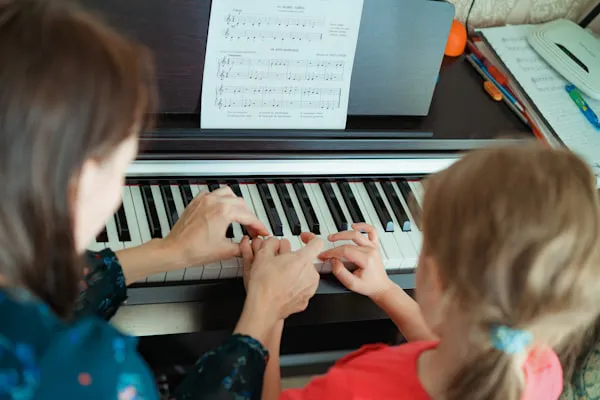
How to Find the Right Teacher for Music Lessons in Melbourne
A friend in Carlton once told me her daughter went through two piano teachers in six months. The first had no practice plan. The second was cancelled every other week. Then she found a studio with structure, clear goals, and a teacher who mapped out the first 12 weeks on day one.
Within one term, her daughter played at a recital and actually wanted to practise. That kind of change is not luck. It usually comes from a teacher who knows how to teach, not just how to play.
Parents and adult beginners across Melbourne switch teachers all the time because the first fit looked fine on paper but fell apart in lessons. A few smart checks before you commit can save time, money, and motivation.
Key Takeaways
Use this quick scan to rule out weak options before you pay for a full term.
- Safety comes first. Always confirm a current Working with Children Check or Victorian Institute of Teaching registration before any trial lesson with someone under 18.
- Training matters. Look for a music or education degree, recognised teaching-method certifications such as Kodaly or Suzuki, and membership in a professional body.
- The first lesson should end with a plan. Expect two or three clear goals and a daily practice routine before you agree to ongoing fees.
- Lesson format affects results. Group classes build confidence and social connection. Private lessons give faster, more personal feedback.
- Progress should be visible. If three weeks pass with no movement on agreed goals, the plan needs to change.
What Real Experience Looks Like
Real experience shows up in safe teaching, clear planning, and student progress you can actually track.
Breadth of teaching. A strong teacher has worked with beginners, returning adults, and students preparing for exams or performances. That range helps them pace lessons properly and adjust when a student gets stuck.
Formal training. A music or education degree, or a teaching-method certification such as Kodaly, Orff, Suzuki, or Yamaha, shows study in how people learn music, not just how they perform it.
Verified outcomes. Ask about recital frequency, Australian Music Examinations Board, or AMEB, entries, and adult milestones such as playing a full song with steady rhythm. Specific answers are more useful than general claims.
Safety compliance. A current Working with Children Check, or WWCC, or Victorian Institute of Teaching, or VIT, registration is essential for anyone teaching children. VIT-registered teachers are exempt from a separate WWCC, but they still need to follow child safety requirements when working outside school settings.
Professional development. Ongoing workshops and membership in groups such as the Victorian Music Teachers Association, or VMTA, suggest a teacher keeps improving instead of relying on old habits.
Why The Right Teacher Matters
The right teacher does more than explain notes, they shape progress, technique, and motivation from the start.
Faster Skill Growth
A qualified teacher matches exercises to the student’s level and adjusts the plan each week. A 2024 meta-analysis found that music training can improve children’s executive functions, which include focus, working memory, and self-control. Good structure is what turns practice time into real gains.
Safer Technique And Habits
Among professional orchestral musicians in Australia, 84 percent reported pain or injuries that interfered with playing. Poor posture and overuse can start early. An experienced teacher builds warm-ups, body alignment, and load management, which means controlling how much playing the body can handle, into regular lessons.
Stronger Motivation And Community
Recitals, ensembles, and informal group sessions give students a reason to keep going when practice feels slow. Australian research links group music-making with better wellbeing and a stronger sense of belonging. A good teacher connects students to those chances at the right time.
How To Shortlist With Confidence
A simple checklist helps you compare teachers on the things that affect learning most.
Check Safety First
For students under 18, sight the teacher’s WWCC card or receipt, or confirm VIT registration. Ask whether a parent can sit in, whether lessons happen in an open and visible space, and whether the studio follows a Child Safe policy.
Review Training And Results
Look for degrees in music or education, plus teaching certifications where relevant. Ask for anonymised examples of results, such as exam passes, recital participation, or how beginners are supported through their first three months.
Ask About The First 90 Days
A capable teacher should explain the first 12 weeks before you commit to term fees. Expect a lesson structure that includes warm-up, technique, repertoire, theory or ear training, and a short wrap-up with home tasks. The practice plan should state minutes, goals, and what success looks like.
Compare Group And Private Lessons
Each format does a different job, so pick the one that matches your main goal.
| Factor | Group Classes | Private Lessons
|
|---|---|---|
| Best for | Foundation rhythm, ear training, social motivation | Exam prep, technique correction, personalised pacing |
| Feedback density | Shared across participants | Fully individualised each session |
| Social and motivation lift | High, peer energy drives engagement | Lower, relies on teacher-student rapport |
| Cost | Generally lower per session | Higher, reflects one-to-one attention |
| Use-case verdict | Start here for beginners seeking community | Choose this when targeting specific goals or exams |
Use A Trial Lesson Scorecard
During the trial, score each area from zero to two: rapport, goal clarity, technique setup, error correction, age-appropriate repertoire, practice plan quality, parent or adult coaching, feedback detail, next steps, and student engagement.
A total of 16 or above suggests a strong fit. A score from 12 to 15 means you should ask more questions. Below 12 usually means you should keep looking.
Where To Start Your Search
The fastest way to find strong options is to search where qualified teachers already gather and perform.
State association directories such as the VMTA are a solid starting point. Local conservatoriums, community music centres, school recommendations, and studio recitals can also show you how a teacher works before you commit. Watching a recital tells you a lot about teaching culture, student confidence, and how varied the repertoire is.
Prefer a vetted option? If you would rather skip random directories and start with a studio that has clear onboarding, written practice goals, recital pathways, and teachers used to guiding beginners, it helps to compare how programs explain their first 90 days, communicate with families, and support AMEB milestones before you book, and one option is Bumblebee Centre, where experienced music teachers in Melbourne can help you map a 90-day plan and prepare for AMEB milestones if that is part of your goal.
How To Measure Progress
Clear tracking helps you tell the difference between normal slow growth and a lesson plan that is not working.
Set a baseline in week one with a short recording, a posture photo, and a sight-reading snapshot. That gives you something concrete to compare later instead of relying on memory.
Weekly dashboard. Log practice minutes, metronome targets, pieces learned, and a confidence score from one to five. This takes two minutes and makes weak spots easy to spot.
Six-week check. Aim for one polished piece, two technique improvements, and one new musicianship skill, such as reading a simple lead sheet, which is a page that shows melody and chord symbols.
Twelve-week review. Choose the next step: a performance target, an AMEB entry, or a new repertoire challenge. AMEB theory and musicianship exams are available online year-round, which gives families and adult learners more flexibility.
Good signs include steadier tempo, fewer repeated mistakes, and more consistent practice. Warning signs include pain, ongoing confusion, or the same issue showing up week after week. If that happens, talk early and adjust the plan.
FAQs
These quick answers cover the questions most families and adult beginners ask first.
What Age Can Kids Start Lessons?
Piano and violin can start quite young with short, playful sessions. Formal voice training usually works better from about age eight. Readiness matters more than a specific birthday, so look for attention span, interest, and basic ability to follow directions.
Do I Need An Instrument Before Starting?
For strings, wind instruments, and voice, yes. Piano students can begin on a quality weighted keyboard while they decide on a longer-term setup. A good teacher should help you avoid buying something too cheap to support proper technique.
How Long Should Beginner Lessons Be?
Thirty minutes is standard for young children. Teens and adults usually benefit from 45 to 60 minutes, especially if they want to cover technique, repertoire, and reading in the same lesson. The best length depends on focus, stamina, and goals.
Are Music Exams Necessary?
No. Exams are optional milestones, not a requirement. They help when a student likes structure, external feedback, and a clear sequence of levels. Plenty of learners stay engaged through recitals, personal repertoire goals, or ensemble work instead.
Final Thoughts
A good choice early on saves months of frustration later.
Commit for 90 days, keep the instrument easy to reach at home, and set one small weekly goal with the teacher. That gives the process enough time to work without locking you into a bad fit for too long.
If the lessons still feel vague after a fair trial, switch. You are not being difficult, you are protecting the student’s progress. The right teacher makes practice feel focused and improvement feel possible.


Leave a Reply