
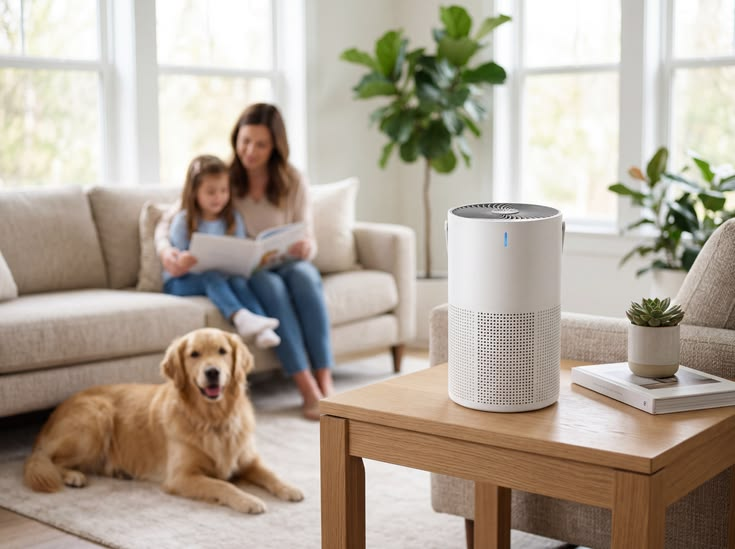
PCO Air Purifiers Improve Indoor Air
Inside buildings, many folks stay most hours where the air they inhale tends to be far dirtier than what flows outdoors. Trapped areas collect specks of dust, bits from animals, tiny fungus particles, along with unseen vapors released by everyday items. For years, standard filters and ventilation systems did handle some of those contaminants just enough.
Inside spaces feel cleaner thanks to Photocatalytic Oxidation, a shift from older ways of handling dirty air. Born in labs aiming for outer space solutions, it doesn’t trap pollutants like traditional systems do. Breaking apart unwanted molecules happens naturally when light touches a special surface. Rather than collecting gunk on thick filters, this process transforms dangers into harmless substances through quiet chemical changes.
How Photocatalytic Oxidation Works?
Light kicks off a chain of changes inside PCO, even if the name seems tricky at first. This shift happens when rays fuel reactions purifying what we breathe.
The Science Behind the Technology
Hidden within a PCO air purifier, ultraviolet light casts across a coating often formed from titanium dioxide. Hitting this layer triggers a shift of energetic fragments like hydroxyl radicals emerge suddenly. Though brief in life, these particles rush toward airborne compounds without delay.
Inside the unit, air moves along while charged particles slam into floating impurities. Because of this clash, molecular structures split apart at their core links. Toxic materials lose strength as they shift into minimal levels of vapor and CO₂. Cleaner airflow returns, changed by quiet chemistry. What fills the space again carries less weight from pollution. Along with large air purifiers, PCO air purifiers are also now used in small machines like Mini Aer, which is a single room air cleaning device.
PCO Compared to HEPA Filters
Tiny bits of dirt and pollen never escape HEPA filters. These filters act much like an extremely tight mesh. When airflow forces through the thick webbing, hefty specks snag in place. Yet any speck too small simply slips past.
Most harmful chemicals and germs pass straight through regular HEPA filters because they’re too tiny. When microbes get caught, they stay alive given moisture or warmth, growth might follow. Instead of merely holding onto such hazards, PCO breaks them down on contact.
The Hidden Dangers in Indoor Air
Hard to do when you realize what’s hiding in it. Buildings today shut out nature to save power. That seal keeps bad stuff inside too. Trapped dust, fumes, and particles just hanging there. Efficiency has this quiet downside.
Volatile Organic Compounds
Out of common home products come invisible fumes called Volatile Organic Compounds. Things like paint jobs, scrubbing liquids, freshly made couches – these pour out VOCs without stopping. Breathing them too long might bring on head pressure, wooziness, breathing trouble down the line. Regular filters built for dust? They do nothing against floating chemicals. But when light meets a special coating inside a PCO unit, molecules break apart – turning smelly, harmful vapors into harmless stuff you never smell again.
Biological Contaminants
Inside buildings, mold spores along with bacteria find it easy to grow. In wet areas, mold lets go of invisible particles capable of causing strong allergy symptoms. Instead of just trapping germs, PCO purification breaks down their physical makeup. Once their cell walls collapse, they cannot function at all.
PCO Air Purifiers Redefine Clean Air
Now more than ever, folks want full command over what’s in the air around them. That push drives interest in PCO systems. These setups aren’t just about dust anymore. Pet smells? They’re on the list too. So are winter bugs that spread fast. Expectations have climbed higher lately. PCO air purifiers are also recommended after PRV testing by the mold removal companies.
Destruction vs. Trapping
Most air cleaners just hold onto dirt instead of wiping it out completely. That holding method means every time you swap the part that catches gunk, tiny bits might escape into your space again. But with PCO tech, what gets captured also gets broken down entirely. Nothing harmful piles up behind the scenes. Since nothing lingers, switching components stays safe. Performance holds steady because nothing sneaks back out later.
Working Against Tiny Germs
Tiny things like viruses slip through most filters. About one hundred times tinier than a lone bacterium, they dodge standard traps. Regular filtering methods fail because of how minute they are. What happens inside a PCO unit works without needing to grab onto size at all. A single microbe entering the reaction zone meets hydroxyl radicals head-on. Because of this, PCO stands out in slowing air-based sickness where people gather tightly.
Long-Term Cost Efficiency
Most older air cleaners demand new filters quite often, adding up in cost over time. Swapping thick ones might happen several times a year just to keep air moving well. Photocatalytic units tend to need attention far less often. That’s because the titanium coating stays active through each cycle without breaking down. Sure, the ultraviolet light burns out after a while – typically around twelve months but even then, upkeep usually hits the wallet softer than constant premium filter purchases do.
Benefits for Houses and Companies
Where one place breathes easy, another might struggle. Luckily, PCO adjusts smoothly, fitting homes just as it fits offices. Air that feels heavy somewhere can stay light elsewhere because of how it adapts.
Healthier Living Spaces
Most homes hold onto smells from meals, animals, or damp spots longer than expected. Instead of covering the stink with scented sprays, one type of cleaner breaks it down where it starts. People coping with sniffles or breathing trouble often feel better once they run this device. Day by day, floating molds and sharp indoor fumes fade into nothing – peace settles in quietly.


Leave a Reply