
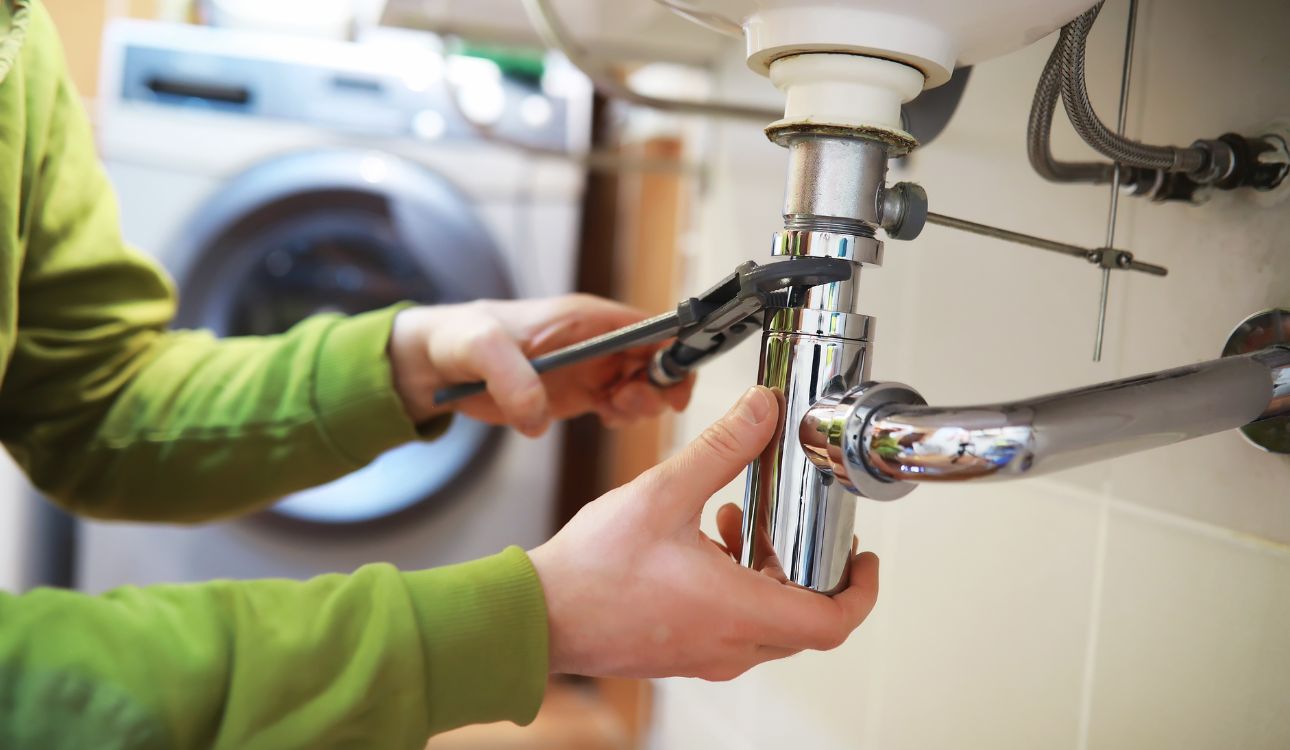
Rapid Emergency Plumber Solutions for Homes and Businesses Facing Urgent Drainage and Plumbing System Failures
Why Hot Water Systems Are Essential in Every Home
Hot water plays a central role in daily household activities, supporting everything from bathing and cleaning to cooking and general hygiene. A reliable heating system ensures comfort, convenience, and smooth functioning of everyday routines. However, many homeowners only realize the importance of this system when it begins to fail, often causing sudden disruptions and unexpected repair needs.
Like any mechanical appliance, water heating systems gradually lose efficiency over time due to constant usage, internal wear, mineral buildup, and environmental stress. While routine maintenance can extend their lifespan, there comes a point when repairs are no longer sufficient to restore performance. At that stage, upgrading the system becomes the most practical solution. Understanding the process and importance of water heater replacement helps homeowners maintain long-term efficiency, safety, and consistent hot water supply.
How Water Heating Systems Decline Over Time
Water heating systems operate under continuous pressure and temperature cycles, which naturally lead to gradual deterioration. One of the most common issues is sediment accumulation inside the tank. Over time, minerals from water settle at the bottom, forming a thick layer that reduces heating efficiency and forces the system to consume more energy.
This sediment buildup also creates overheating issues because the heating element must work harder to transfer heat through the layer of deposits. As a result, energy consumption increases while performance decreases. If left untreated, this condition can lead to internal damage and reduced system lifespan.
Corrosion is another major factor that affects long-term performance. Even with protective components like anode rods, constant exposure to water eventually causes metal parts to weaken. Once corrosion begins, it spreads slowly but steadily, leading to leaks and structural failure within the tank.
Pressure fluctuations and repeated heating cycles also place stress on valves, seals, and internal components. Over time, these parts lose efficiency, resulting in inconsistent heating, reduced water pressure, and potential system breakdowns.
Warning Signs That Indicate System Failure
Water heating systems usually show early warning signs before complete failure occurs, but these indicators are often ignored by homeowners. One of the most common symptoms is inconsistent water temperature, where hot water suddenly turns lukewarm or fluctuates during use. This typically indicates internal inefficiency or failing heating components.
Unusual noises such as popping, cracking, or rumbling are also common warning signs. These sounds are often caused by sediment buildup reacting with heated water at the bottom of the tank. Ignoring these noises can lead to increased internal pressure and further damage to the system.
Leaks around the base of the unit are another serious concern. Even small leaks may indicate internal tank corrosion, which cannot usually be repaired effectively. In such cases, continuing repairs may only provide temporary relief, making water heater replacement a more reliable long-term solution.
Discolored or rusty water is another clear indication of internal deterioration. This suggests that corrosion is present inside the tank or pipes, affecting both water quality and system integrity. When these signs appear together, they often signal that the system is nearing the end of its usable life.
When Repair Is No Longer Enough
While minor issues can often be resolved through maintenance or part replacement, there comes a point when repeated repairs become inefficient and costly. Older systems that require frequent servicing usually consume more energy and deliver lower performance, making them expensive to maintain over time.
In such situations, investing in water heater replacement becomes a more practical decision. Instead of continuously repairing an aging system, replacing it with a modern unit ensures improved efficiency, better performance, and reduced long-term costs.
New systems are designed with advanced technology that improves heating speed, energy efficiency, and durability. They also require less maintenance compared to older models, making them a more reliable option for long-term use.
Benefits of Upgrading to a New System
Upgrading to a new water heating system offers several advantages that go beyond simple functionality. One of the most significant benefits is improved energy efficiency. Modern systems are designed to heat water faster while consuming less energy, which helps reduce monthly utility bills.
Another advantage is consistent performance. New systems are better equipped to maintain stable water temperatures, ensuring a reliable supply of hot water throughout the day. This eliminates the inconvenience of sudden temperature fluctuations or system delays.
A full water heater replacement also improves safety. Older systems may develop internal faults that increase the risk of leaks, pressure issues, or electrical problems. New units come with enhanced safety features that reduce these risks and ensure stable operation.
Additionally, modern systems are more environmentally friendly. They use energy more efficiently, which reduces overall carbon emissions and supports sustainable living practices. This makes upgrading not only beneficial for homeowners but also for the environment.
Choosing the Right System for Your Needs
Selecting the right water heating system requires careful consideration of household size, water usage patterns, and energy preferences. Larger households typically require higher-capacity systems that can meet continuous demand, while smaller households may benefit from compact or tankless options.
Traditional storage systems heat and store water for immediate use, making them suitable for households with consistent demand. However, they consume more energy due to continuous heating cycles. On the other hand, tankless systems provide hot water on demand, improving efficiency by eliminating standby heat loss.
Energy efficiency ratings should also be considered when choosing a new system. Higher-rated models consume less energy and provide better long-term savings. Proper selection ensures that the system meets both current and future household needs effectively.
Installation and Professional Handling
Proper installation is one of the most important factors in ensuring long-term system performance. Even high-quality units can underperform if installed incorrectly. Professional technicians follow precise procedures to ensure safe and efficient installation.The installation process typically involves removing the old unit, preparing plumbing and electrical connections, installing the new system, and testing its functionality. Each step must be performed carefully to prevent leaks, pressure issues, or performance problems.
Professional handling during water heater replacement ensures that the system operates correctly from the start. It also reduces the risk of future breakdowns caused by installation errors, improving long-term reliability and efficiency.
Maintenance After Replacement
Even after installing a new system, regular maintenance remains essential for long-term performance. Simple tasks such as checking valves, inspecting connections, and occasional flushing can help maintain efficiency and prevent buildup.
Routine maintenance ensures that the system continues to operate smoothly and reduces the likelihood of unexpected issues. It also helps extend the lifespan of the unit, providing better value over time.Although new systems require less maintenance than older ones, periodic checks still play an important role in maintaining optimal performance and safety.
Energy Efficiency and Cost Savings
Modern water heating systems are designed to maximize energy efficiency, which directly reduces operational costs. Improved insulation, faster heating elements, and smart temperature control systems contribute to lower energy consumption.
Tankless systems are especially efficient because they only heat water when needed, eliminating standby energy loss. This results in significant savings over time, especially in households with moderate to high usage.
Investing in water heater replacement can lead to long-term financial benefits by reducing utility bills and minimizing repair expenses. Over time, these savings often outweigh the initial cost of installation.
Safety and Risk Prevention
Safety is a critical consideration when dealing with water heating systems. Faulty or aging units may develop pressure issues, leaks, or electrical hazards that pose risks to households.
Modern systems are equipped with advanced safety features such as automatic shut-off valves and temperature regulation systems. These features help prevent accidents and ensure stable operation.
Professional installation and regular inspections further reduce risks and ensure that the system continues to function safely and efficiently.Energy-efficient water heating systems contribute significantly to environmental conservation. By reducing energy consumption, they help lower greenhouse gas emissions and minimize environmental impact.
Upgrading to a modern system through water heater replacement supports sustainable living practices by promoting efficient energy use. This benefits both individual households and the broader environment.
Conclusion: Making Smart Decisions for Long-Term Comfort
Water heating systems are essential for maintaining daily comfort and convenience in every home. Over time, these systems naturally lose efficiency due to wear, sediment buildup, and internal corrosion. Recognizing early warning signs and addressing issues promptly is crucial for avoiding major disruptions.
When systems become inefficient or frequently require repairs, water heater replacement becomes the most practical solution. In many cases, water heater replacement provides improved performance, better energy efficiency, and enhanced safety compared to continued repairs. Additionally, timely water heater replacement ensures long-term reliability and reduces the risk of unexpected system failure.
Ultimately, choosing to upgrade at the right time helps homeowners maintain consistent hot water supply, reduce energy costs, and improve overall household comfort.


Leave a Reply