
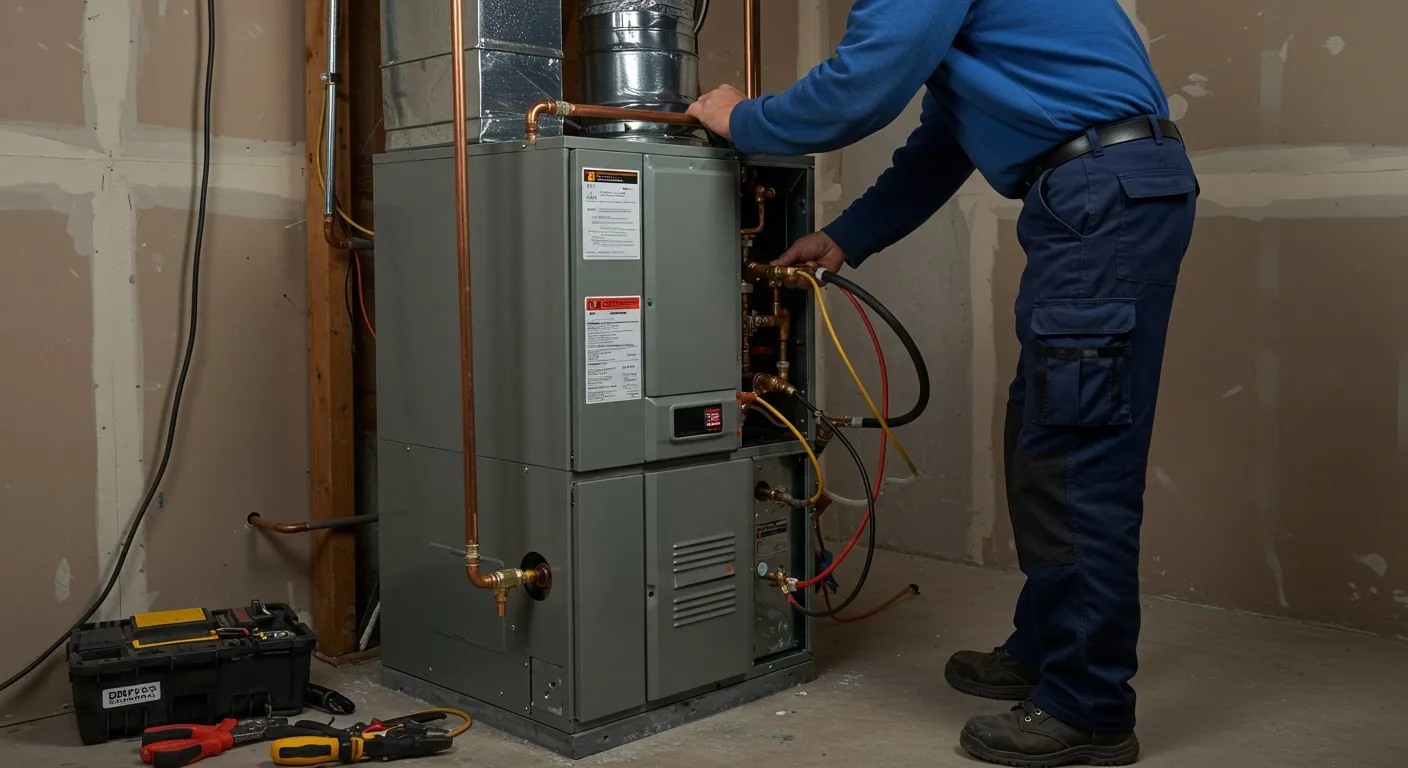
How Proper Heater Installation Ensures Safe and Efficient Home Heating Performance
Understanding the Importance of a Proper Heating System Setup
A comfortable indoor environment is essential for maintaining health, productivity, and overall quality of life, especially during colder months when temperatures drop significantly. A heating system is responsible for generating and distributing warmth throughout a home or building, ensuring that indoor spaces remain safe and livable regardless of outdoor weather conditions. However, the effectiveness of any system depends heavily on how well it is designed and installed in the first place. A poorly executed setup can lead to uneven heating, high energy bills, frequent breakdowns, and reduced system lifespan. This is why heater installation is considered one of the most critical steps in building a reliable and efficient indoor climate control system.
Modern heating systems are designed with advanced technology that allows for better energy efficiency and improved temperature control. However, even the most advanced equipment cannot perform properly without accurate installation. Proper planning, correct sizing, and professional execution are essential to ensure that the system operates smoothly and delivers consistent comfort throughout the home.
Why Proper System Design Matters Before Installation
Before any heating equipment is installed, a detailed assessment of the property is necessary. Every home has different heating requirements depending on size, layout, insulation quality, number of rooms, and local climate conditions. A system that is too small will struggle to heat the space efficiently, while an oversized system may cycle too frequently, wasting energy and causing unnecessary wear on components.
Proper design ensures that the system is matched perfectly with the needs of the building. This includes selecting the right type of heating unit, determining duct placement, and planning airflow distribution. When done correctly, heater installation results in balanced heating throughout the entire space, eliminating cold spots and improving overall comfort.System design also plays a major role in energy efficiency. A well-planned setup reduces unnecessary energy consumption, which helps lower utility bills and supports long-term sustainability.
Types of Heating Systems Used in Modern Homes
There are several types of heating systems available today, each offering unique advantages depending on user needs and environmental conditions. Furnaces are among the most common systems and work by heating air and distributing it through ducts. They are known for their reliability and ability to quickly warm large spaces.
Heat pumps are another popular option, offering both heating and cooling capabilities. They are highly energy-efficient because they transfer heat rather than generate it directly. Boilers, on the other hand, use water or steam to distribute heat through radiators or underfloor systems, providing consistent and comfortable warmth.Electric heaters are often used in smaller spaces or as supplementary heating solutions. They are easy to install but may result in higher operating costs depending on electricity prices. Each system requires specific installation techniques, and choosing the right one depends on budget, climate, and long-term efficiency goals.
The Role of Professional Expertise in Installation
Installing a heating system is a complex process that requires technical knowledge, precision, and experience. It involves electrical connections, airflow configuration, safety checks, and system calibration. Even minor installation errors can lead to serious issues such as energy inefficiency, poor airflow, or system failure.
A qualified professional ensures that every component is installed according to industry standards. This includes proper placement of the heating unit, secure duct connections, correct thermostat calibration, and safe electrical wiring. Professional heater installation also ensures compliance with safety regulations, reducing the risk of hazards such as gas leaks or electrical faults.Experienced technicians also understand how to optimize system performance based on building structure. They can identify potential issues before installation begins, such as insulation gaps or airflow restrictions, ensuring that the system operates at maximum efficiency from day one.
Step-by-Step Heating System Installation Process
The installation process begins with a detailed site evaluation. This includes measuring the space, assessing insulation levels, and determining heating requirements. Based on this analysis, the appropriate system type and size are selected.
Next, the installation area is prepared. This may involve removing old equipment, cleaning ducts, or modifying spaces to accommodate new units. Once preparation is complete, the heating system is installed, including the furnace or heat pump, ductwork, vents, and thermostat.
After installation, the system is tested thoroughly to ensure proper airflow, temperature control, and safety. Technicians check for leaks, verify electrical connections, and calibrate the thermostat for accurate performance. A successful heater installation ensures that all components work together seamlessly to deliver consistent heating throughout the property.
Importance of Proper Sizing and Load Calculation
One of the most important aspects of heating system installation is correct sizing. A system that is too large will cycle on and off frequently, leading to energy waste and increased wear. A system that is too small will struggle to maintain desired temperatures, resulting in discomfort and higher energy usage.
Load calculation involves evaluating the heating requirements of a building based on square footage, insulation quality, window placement, and climate conditions. This ensures that the selected system can efficiently meet the heating demands of the space.Accurate sizing not only improves comfort but also extends system lifespan and reduces maintenance requirements. Properly sized systems operate more efficiently, leading to lower utility bills and improved performance.
Energy Efficiency and Modern Heating Technology
Energy efficiency is a major consideration in modern heating system design. New systems are equipped with advanced features such as variable-speed motors, programmable thermostats, and smart controls that allow users to optimize energy consumption.
These technologies help reduce unnecessary energy usage by adjusting heating output based on real-time conditions. For example, smart thermostats can learn user behavior and automatically adjust temperatures for maximum efficiency.A properly executed heater installation ensures that these technologies function correctly and deliver their full benefits. When installed incorrectly, even high-efficiency systems may fail to perform as expected.
Common Installation Mistakes to Avoid
Several common mistakes can negatively impact heating system performance. One of the most frequent issues is improper ductwork installation, which can lead to air leaks and reduced efficiency. Poor sealing around connections can also cause heat loss and uneven distribution.
Another mistake is incorrect thermostat placement. If a thermostat is installed in an area exposed to direct sunlight or drafts, it may provide inaccurate readings, affecting system performance.Skipping load calculations or using incorrect system sizes is another critical error that can lead to long-term inefficiency. Avoiding these mistakes requires professional expertise and careful planning during installation.Although a new heating system is designed for durability, regular maintenance is essential to ensure long-term performance. Simple tasks such as replacing air filters, cleaning vents, and inspecting components can significantly improve efficiency.
Routine inspections help identify minor issues before they become major problems. Over time, components such as filters, motors, and sensors may require servicing or replacement.Proper maintenance ensures that heater installation continues to deliver reliable performance for many years while minimizing repair costs and energy consumption.
Cost Factors and Long-Term Investment Value
The cost of installing a heating system varies depending on system type, property size, installation complexity, and material requirements. While initial investment may seem significant, long-term benefits often outweigh upfront costs.
Energy-efficient systems reduce monthly utility bills and require fewer repairs over time. Additionally, a properly installed system increases property value and enhances overall market appeal.
Investing in professional heater installation ensures that homeowners receive maximum value from their system through improved performance, reduced maintenance, and long-term reliability.Safety is one of the most important aspects of any heating system installation. Improper installation can lead to electrical hazards, gas leaks, or fire risks. Professional technicians follow strict safety protocols to ensure that all components are installed securely and tested thoroughly.
Proper ventilation is also essential to prevent the buildup of harmful gases and maintain healthy indoor air quality. Safety inspections after installation help ensure that the system operates without risk to occupants.
Environmental Impact and Sustainability
Modern heating systems are designed with environmental sustainability in mind. Energy-efficient models reduce fuel consumption and lower carbon emissions. Smart technology further enhances sustainability by optimizing energy usage based on demand.
Proper installation ensures that these systems operate at peak efficiency, minimizing environmental impact while maintaining comfort. Choosing energy-efficient systems and ensuring correct setup contributes to a more sustainable future.
A professionally installed heating system provides consistent comfort, improved energy efficiency, and long-term reliability. It reduces the likelihood of breakdowns, lowers maintenance costs, and enhances indoor air quality.Proper installation also ensures that the system operates safely and efficiently throughout its lifespan. Homeowners benefit from stable temperatures, reduced energy bills, and increased property value.
Conclusion: Building a Reliable and Efficient Heating System
Heating systems are essential for maintaining comfort, safety, and energy efficiency in any home. However, their performance depends heavily on proper design and installation. A poorly installed system can lead to inefficiency, discomfort, and costly repairs, while a well-executed setup delivers long-term reliability and savings.
Professional heater installation ensures that every component is correctly sized, installed, and tested for optimal performance. With the right planning, expert execution, and ongoing maintenance, homeowners can enjoy consistent warmth, lower energy costs, and a safe indoor environment for many years.


Leave a Reply