
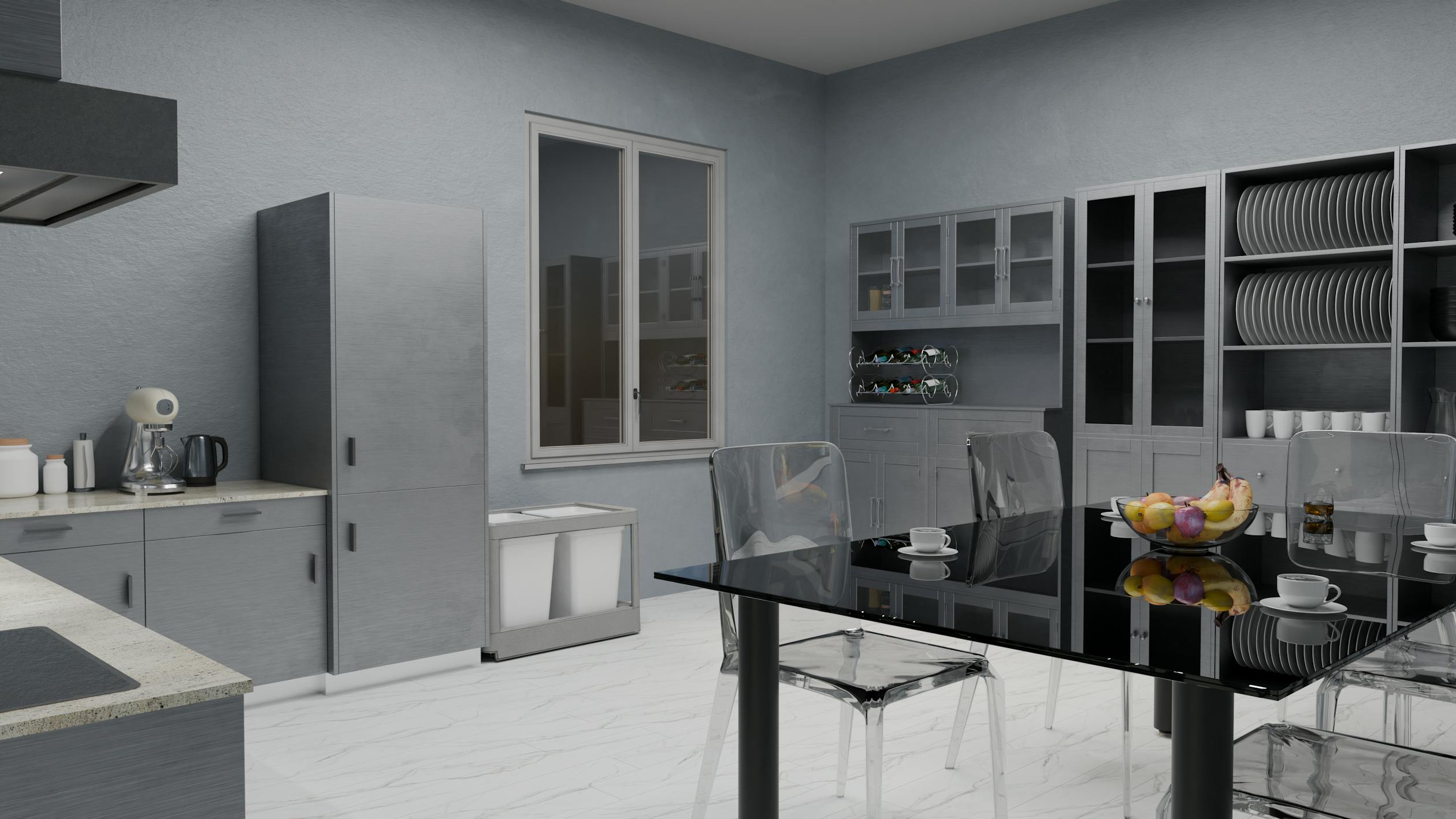
The Role of Kitchen Design in Creating Better Flow, Organization, and Lifestyle Balance
The kitchen has become one of the most important spaces in modern homes, serving far more than its traditional purpose. It is where meals are prepared, conversations happen, and daily routines often begin and end. Because of this, the way a kitchen is designed has a direct impact on how comfortable and efficient a home feels.
Many kitchens may look visually appealing but fail to support daily activities effectively. Poor layouts, lack of organization, and limited functionality can make simple tasks feel more complicated. Over time, these inefficiencies affect how often the space is used and how enjoyable it feels.
Kitchen design focuses on aligning the space with how people actually live. With guidance from plan perfect remodeling, homeowners can create kitchens that improve flow, support organization, and enhance overall lifestyle balance.
Understanding How Kitchen Design Influences Daily Life
A kitchen is more than a place to cook; it reflects how a household functions. Every movement, from preparing meals to cleaning up, depends on how well the space is arranged. When design does not match daily habits, tasks can feel inefficient.
Poorly planned kitchens often create unnecessary steps between activities. This leads to wasted time and increased effort during routine tasks. Over time, this can make the kitchen less enjoyable to use.
As explained in , kitchen design directly influences how people move and interact within the space. Thoughtful planning ensures that the kitchen supports everyday activities naturally.
Creating Clear Functional Zones
An effective kitchen is built around clearly defined zones. These include areas for preparation, cooking, storage, and cleaning. Each zone should have a specific purpose and be arranged logically.
When zones are not clearly defined, tasks may overlap and create confusion. This can slow down workflow and make the space feel disorganized. Proper zoning improves both efficiency and usability.
Kitchen design focuses on organizing these areas in a way that supports smooth transitions between tasks. plan perfect remodeling ensures that each zone contributes to a more functional layout.
Improving Flow Between Key Activities
Flow refers to how easily a person can move between different tasks in the kitchen. A well-designed layout allows for natural movement without unnecessary obstacles. This makes cooking and cleaning more efficient.
When appliances and work areas are placed without planning, movement can feel awkward. This disrupts routines and increases effort. Improving flow helps create a more seamless experience.
Kitchen design addresses these challenges by aligning work areas in a logical sequence. This creates a smoother and more intuitive workflow.
Supporting Better Organization Through Design
Organization is essential for maintaining an efficient kitchen. Without proper storage and placement, items can quickly become cluttered and difficult to manage. This affects both functionality and appearance.
Well-planned storage keeps everything in its proper place. Frequently used items should be easily accessible, while less-used items can be stored out of the way. This improves daily efficiency.
Kitchen design integrates organization into the layout. Professional kitchen design services in San Francisco Bay Area focuses on creating systems that support long-term order and usability.
Balancing Aesthetics With Practical Use
A visually appealing kitchen is important, but it must also be practical. Design elements should enhance functionality rather than interfere with it. A balance between appearance and usability is essential.
Overly decorative features can sometimes reduce efficiency if they limit space or accessibility. Functional design ensures that every element serves a purpose. This creates a more usable environment.
Kitchen design combines visual appeal with practical planning. plan perfect remodeling ensures that both aspects work together seamlessly.
Enhancing Comfort Through Spatial Planning
Comfort in the kitchen depends on how the space is arranged. Adequate spacing between work areas allows for easier movement and reduces congestion. This makes the environment more enjoyable to use.
Poor spacing can make the kitchen feel cramped, especially during busy times. Adjusting the layout improves accessibility and reduces stress. Comfort is an important part of functionality.
Kitchen design focuses on creating spaces that feel open and easy to navigate. This enhances the overall experience of using the kitchen.
Supporting Social Interaction and Gathering
Modern kitchens often serve as social hubs where family and guests gather. The design should support interaction without disrupting functionality. This requires a careful balance between openness and structure.
Features such as open layouts and connected seating areas encourage conversation. At the same time, cooking zones should remain efficient and unobstructed. This balance improves usability.
Kitchen design ensures that the space supports both social and functional needs. plan perfect remodeling helps create kitchens that bring people together.
Adapting to Changing Household Needs
Household needs evolve over time, and the kitchen should be able to adapt. Flexible layouts and adjustable features allow the space to remain functional as routines change. This adds long-term value.
Without adaptability, kitchens may require frequent updates to meet new needs. Designing with flexibility in mind reduces the need for major changes. This ensures continued usability.
Kitchen design incorporates solutions that allow for future adjustments. This makes the space more resilient and practical over time.
Strengthening the Connection With Surrounding Spaces
Kitchens are often connected to other areas such as dining rooms and living spaces. The way these connections are designed affects how the home feels overall. A well-integrated kitchen enhances flow throughout the house.
Disjointed layouts can make movement between spaces feel awkward. Creating a smooth transition improves both functionality and visual consistency. This contributes to a more cohesive environment.
Kitchen design considers these connections to ensure that the space integrates well with the rest of the home. plan perfect remodeling focuses on creating harmony across all areas.
Increasing Long-Term Value Through Thoughtful Design
A well-designed kitchen adds significant value to a home. Buyers often look for spaces that are functional, organized, and visually appealing. Good design creates a strong impression.
Features such as efficient layouts, clear zones, and adaptable storage demonstrate thoughtful planning. These elements contribute to both daily comfort and resale potential. This makes design an important investment.
Kitchen design supports long-term value by improving both usability and appeal. plan perfect remodeling helps homeowners achieve results that benefit them now and in the future.
Conclusion
The design of a kitchen plays a major role in shaping daily routines and overall comfort. Poor layouts and lack of organization can create ongoing challenges, while thoughtful design improves efficiency and usability. Aligning the space with real-life needs is essential.
Kitchen design provides a structured approach to improving flow, organization, and lifestyle balance. By focusing on functionality and adaptability, homeowners can create spaces that support their daily activities.
With the expertise of plan perfect remodeling, kitchens can be transformed into environments that feel natural, efficient, and welcoming. Investing in thoughtful design ensures long-term comfort, improved functionality, and a more enjoyable living experience.


Leave a Reply