
Boating Industry Marketing Strategies That Increase Marine Sales
The marine business has become more competitive than ever. Boat dealers, yacht brokers, marinas, and marine equipment providers are all searching for better ways to attract buyers and build long-term customer relationships. Traditional advertising methods still matter, but today’s customers spend more time researching online before making a purchase decision. That shift has changed how companies connect with potential buyers.
Successful boating businesses now focus on strong online visibility, engaging content, and customer-focused branding. A well-planned approach can help companies stand out in a crowded market and increase revenue consistently. Modern boating industry marketing is no longer only about promoting products. It is about creating trust, building experiences, and staying connected with customers throughout the buying journey.
Understanding the Modern Marine Customer
Today’s marine buyers are informed and selective. Before visiting a dealership or marina, many customers research boat models, compare prices, read reviews, and watch videos online. Buyers want confidence before making a large investment, especially when purchasing recreational boats or marine accessories.
This means marine companies must provide valuable information that helps potential customers make decisions. Businesses that educate their audience through blogs, videos, and guides often gain more trust than companies focused only on sales messages.
Understanding customer behavior also allows businesses to create targeted campaigns that speak directly to boating enthusiasts, fishing communities, or luxury yacht buyers. Personalized communication often leads to better engagement and stronger sales opportunities.
Build a Strong Online Presence
A professional website is one of the most important tools for any marine business. Customers expect websites to load quickly, look modern, and work properly on mobile devices. A poorly designed site can drive potential buyers away within seconds.
A strong website should include:
- Clear descriptions of boats and services
- High-quality images and videos
- Contact information that is easy to find
- Customer testimonials
- Fast navigation and mobile compatibility
Search engine optimization also plays an important role. When people search for marine services online, businesses that appear higher in search results usually receive more traffic and inquiries.
Many successful companies invest in marine digital marketing to improve search visibility and connect with buyers through multiple online channels. This includes social media, content creation, and paid advertising campaigns designed specifically for marine audiences.
Use Content Marketing to Educate Buyers
Content marketing helps marine businesses build authority while attracting organic traffic from search engines. Instead of constantly promoting products, companies can provide useful information that answers customer questions.
Examples of effective content include:
- Boat maintenance tips
- Seasonal boating safety guides
- Fishing equipment recommendations
- Marina preparation checklists
- Yacht ownership advice
Educational articles and videos help establish trust with potential buyers. Customers are more likely to purchase from businesses that appear knowledgeable and reliable.
Video content has become especially powerful in the marine industry. Boat walkthroughs, test-drive videos, and maintenance tutorials attract strong engagement across websites and social platforms. Visual content helps buyers imagine themselves enjoying the boating lifestyle.
Social Media Creates Brand Awareness
Social media platforms allow marine businesses to connect directly with boating communities. Platforms such as Facebook, Instagram, and YouTube are ideal for sharing marine lifestyle content and engaging with customers.
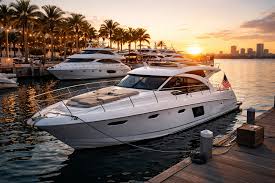
High-quality visuals perform particularly well in the boating market. Photos of boats on the water, fishing trips, marina events, and sunset cruises can create emotional connections with audiences.
Businesses can also use social media to:
- Announce promotions and events
- Share customer experiences
- Post educational boating content
- Respond to customer questions quickly
- Build stronger community relationships
Consistency matters when using social media. Brands that post regularly and interact with followers often gain more visibility and customer trust over time.
Email Marketing Still Delivers Results
Email marketing remains one of the most cost-effective strategies for marine businesses. It allows companies to stay connected with past customers while nurturing new leads.
Effective email campaigns may include:
- Seasonal maintenance reminders
- Boat inventory updates
- Exclusive event invitations
- Financing offers
- New product announcements
Personalized email campaigns often achieve better results than generic promotions. Customers appreciate relevant recommendations based on their interests or previous purchases.
For example, someone interested in fishing boats may respond better to fishing-related accessories and boating tips rather than luxury yacht promotions.
Invest in Local Search Visibility
Many marine businesses rely heavily on local customers and regional tourism. Improving local search visibility helps nearby buyers discover services more easily.
Businesses should keep online listings updated with accurate contact details, operating hours, and customer reviews. Positive reviews can strongly influence purchasing decisions because customers often trust peer recommendations.
Location-based keywords can also help businesses attract nearby buyers searching for marinas, boat dealers, repair services, or rentals.
Participating in local boating events and community activities further strengthens brand recognition within regional markets.
Paid Advertising Can Accelerate Growth
Organic traffic is valuable, but paid advertising can help marine businesses reach customers faster. Search engine ads and social media advertising allow businesses to target specific audiences based on interests, location, and behavior.
For example, advertising campaigns can focus on:
- Fishing enthusiasts
- Luxury boat buyers
- Water sports communities
- Vacation travelers
- Yacht owners
Retargeting campaigns are especially effective because they reconnect with users who previously visited the website but did not make a purchase inquiry.
A well-managed boating industry marketing campaign often combines both organic and paid strategies to maximize visibility and generate qualified leads.
Customer Experience Drives Long-Term Success
Marketing does not end after a sale. Customer experience plays a major role in generating repeat business and referrals.
Satisfied customers often recommend marine businesses to friends, family, and fellow boating enthusiasts. Positive experiences can also lead to online reviews and social media mentions that strengthen brand reputation.
Businesses can improve customer satisfaction by:
- Providing responsive communication
- Offering after-sale support
- Delivering transparent pricing
- Following up after purchases
- Creating loyalty programs
Marine companies that focus on long-term relationships often achieve stronger customer retention and more consistent revenue growth.
Data and Analytics Improve Decision-Making
Tracking marketing performance helps businesses understand what strategies are working. Analytics tools provide valuable information about website traffic, customer behavior, and campaign performance.
Important metrics include:
- Website conversion rates
- Lead generation numbers
- Social media engagement
- Email open rates
- Advertising return on investment
By analyzing this data, marine businesses can adjust their strategies and focus on the channels producing the best results.
Modern marine digital marketing strategies rely heavily on data-driven decisions to improve efficiency and maximize marketing budgets.
The Future of Marine Marketing
The marine industry continues to evolve as technology changes customer expectations. Businesses that adapt to digital trends and customer preferences are more likely to stay competitive in the years ahead.
Consumers increasingly expect personalized experiences, fast online communication, and visually engaging content. Companies that embrace innovation while maintaining strong customer relationships can position themselves for long-term growth.
From content creation to social engagement and targeted advertising, modern marketing offers many opportunities for marine businesses to expand their reach and increase sales.
Conclusion
Growing a successful marine business requires more than traditional advertising alone. Companies must combine strong branding, educational content, customer engagement, and digital visibility to attract today’s buyers.
A smart marketing strategy helps marine businesses reach the right audience, build trust, and create lasting customer relationships. Whether through social media, search optimization, email campaigns, or online advertising, businesses that invest in modern strategies can generate more qualified leads and improve overall sales performance.
As competition continues to increase, companies that prioritize customer-focused marketing and consistent online engagement will stand out in the marine marketplace and achieve long-term success.


Leave a Reply