

What Is The Best Backlink API: A Senior SERM Expert’s Honest Breakdown
You’re looking for a backlink API because you’re tired of manual checks and spreadsheet hell. Maybe your client’s competitors just earned 200 new links overnight. Maybe you’re running an agency and need to automate backlink checks across 50 sites. Maybe you’re building a tool and need backlink data API access without paying Ahrefs’ enterprise fees.
Here’s the reality: there’s no single “best” option. Each backlink analysis API solves different problems depending on your tech stack, budget, and reporting style. I’ve spent years working with these tools across SaaS platforms, e-commerce audits, IT client campaigns, and outsourcing setups. Some APIs are built for developers. Others prioritize user-friendly dashboards. A few try to do both and fail at both.
This article cuts through that. No gatekeeping, no sponsored praise. Just honest takes on what works and what doesn’t.
TL;DR: What’s the Best Backlink API?
SE Ranking’s backlink API wins if you need a balanced tool that doesn’t require selling a kidney. It’s API-first, reasonably priced, and updates frequently enough that your clients won’t think your data is from 2019. Most SERM experts land here because the price-to-data ratio doesn’t make your accountant weep. Read on to find out whether it’s an actual match for you.
Quick Reference of Best Backlink Checker APIs
| Tool | Starting Price | Update Frequency | Best For | API Quality | Coverage |
| SE Ranking | $50 (pay-as-you-go) | Daily | Agencies, SMBs | Excellent | 420M+ domains |
| Serpstat | $129/mo | Monthly | Budget-conscious teams | Good | 50M+ domains |
| Semrush | $499.95/mo | Weekly | Enterprise needs | Excellent | 1B+ links |
| Ahrefs | $1499/mo | Daily/Weekly | Serious competitors | Best-in-class | 1.5B+ links |
| Majestic | $399.99/mo | Varies | Historical data | Good | 500M+ links |
| DataForSEO | Custom | Real-time | Custom integration | Excellent | Largest |
SE Ranking API: The Practical Middle Ground
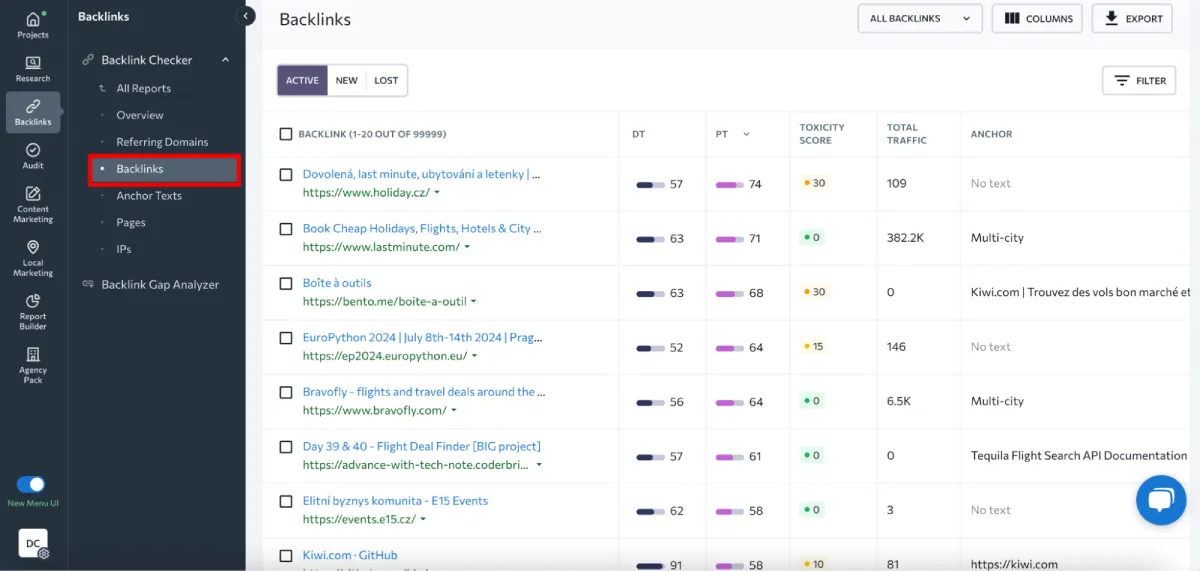
SE Ranking’s backlink API is included in every plan, which immediately separates it from competitors who treat API access like a luxury upgrade. They’re not hiding features behind paywall tiers — you get full backlink data on whatever tier you choose.
The tool indexes 2.7 trillion backlinks across 420 million domains, with 6 billion pages crawled daily. That’s not “industry-leading.” That’s just keeping up with an actual web crawler that works.
Their backlink checker API for developers pulls data from one of the web’s most active crawlers and analyzes it using 15+ key metrics simultaneously:
- Backlink count with full historical tracking
- Referring domain breakdown by authority and geography
- Anchor text variations and usage patterns
- Link type classification (dofollow/nofollow, text/image, redirects, etc.)
- InLink Rank (page authority) and Domain InLink Rank (domain authority)
- Referring IPs and subnets for network-level link diversity analysis
- Geographic breakdowns by country and top-level domain
- New/lost link tracking with specific reasons (page not found, removed, redirects)
- Historical trend data you can actually filter meaningfully
- Cursor-based pagination allowing 100,000 backlinks per call
- CSV export for offline analysis and reporting
Daily updates mean your data isn’t stale. Not real-time like Ahrefs, but fast enough that you’re not reporting 3-week-old information to clients.
The backlink analysis API handles filtering by link status, date range, and authority scores. Want only high-authority new backlinks from the last 30 days? Query it directly. Want to analyze at domain, host, or URL level? It adjusts.
SE Ranking is best for
- Agencies managing 20-300 client sites
- Teams wanting monthly billing without commitment creep
- Developers building private tools for internal use
- Operations that don’t need daily updates
- Anyone tired of APIs requiring separate paid tiers for access
- Teams needing CSV exports for spreadsheet analysis
- Companies tracking competitor backlink changes across weeks, not hours
Pros & Cons of SE Ranking
Pros:
- Backlink API included in all plans (no separate “API tier” pricing)
- 15+ metrics in single requests reduces API calls needed
- Daily updates hit the practical sweet spot
- Cursor-based pagination handles massive exports without breaking
- CSV export for bulk analysis
- 2.7T backlink index covers 99% of actual use cases
- Historical data with specific loss reasons
- You own your API credits; they don’t expire
Cons:
- 2.7T index smaller than Ahrefs or DataForSEO
- Daily updates slower than Ahrefs’ real-time crawl
- Limited historical data compared to Majestic
- Geographic/subnet data useful but rarely critical for typical workflows
Pricing Overview of SE Ranking
Starts at $50 minimum deposit for backlink checker API access (250,000 credits). Core plan is $129/month or $103.20 billed annually (25k API credits with MCP access). Growth plan is $279/month or $223.20 billed annually (100k API credits with MCP access).
Use Cases of SE Ranking
- Monthly backlink reports with new/lost link breakdowns for SMB clients
- Tracking competitor link acquisition patterns for e-commerce sites
- Bulk analysis of 50-100 sites monthly using cursor pagination
- Automated backlink monitoring integrated into CRM systems
- Exporting full backlink datasets for offline analysis
- White-label reporting through agency partner portals
- Daily alerts when competitors gain high-authority referring domains
- Historical trend reporting showing backlink growth over quarters
- Network diversity analysis (IP/subnet checking) for link quality assessment
- Best backlink API for automation without enterprise pricing
Serpstat API: The Underdog That Works
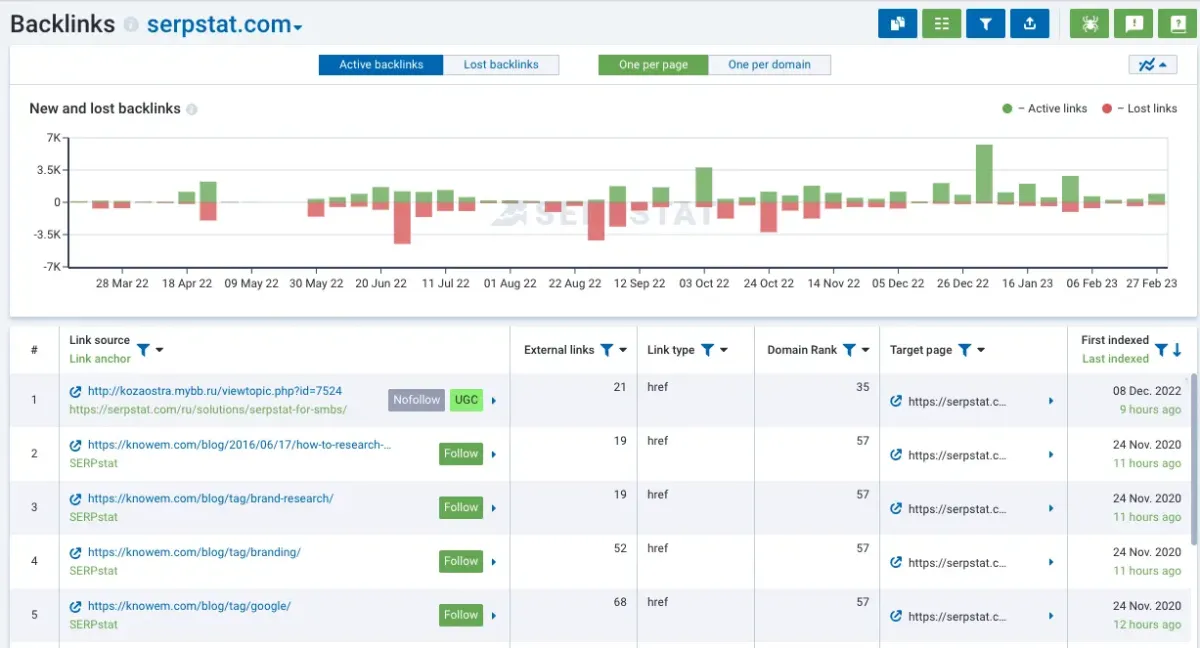
Serpstat feels like the tool that studied what Semrush does and decided to offer 70% of the features at 40% of the price. They’re Ukrainian, built for actual SEO work, not quarterly earnings calls.
- Backlink analysis API with competitive backlink tracking
- Reference domains with authority metrics
- Anchor text breakdown (surprisingly detailed)
- Lost backlinks history
- Organic search integration
- Keyword research bundled in (advantage if you need both)
- API supports JSON and can handle bulk requests
The backlink section is where Serpstat earns its paycheck. The data quality is solid, updates are monthly (more than enough for most use cases), and they don’t hide features behind tier walls.
Serpstat is best for
- Boutique agencies running 30-80 client projects
- Teams that use SEO tools as a complete platform
- Outsourcing companies managing sites across multiple clients
- Anyone wanting backlink checker API access bundled with keyword research
- Budget-first teams
Pros & Cons of Serpstat
Pros:
- Honestly competitive pricing ($69 base)
- Keyword research included (not a separate cost)
- Monthly data updates fine for most workflows
- User interface is intuitive without being condescending
- Community is helpful on their forum
- Their API response times are fast
Cons:
- Smaller link index than Ahrefs or Semrush
- Monthly updates mean you miss real-time link changes
- Not ideal for high-volume automation
- Less enterprise support
- Historical data is shallower than market leaders
Pricing Overview of Serpstat
- Individual Plan ($69/month): 5 projects, 100 daily searches (sites, keywords, backlinks), 10k rank checks, 30k audit pages, 50k export rows, core SEO tools including keyword research, site analysis, rank tracking, site audit, and backlink analysis
- Team Plan ($129/month): unlimited projects, 500 daily searches, 50k rank checks, 150k audit pages, 250k export rows, all Individual features plus API access, ChatGPT & Claude integration (MCP), collaboration tools, AI features, batch analysis, scheduled reports, and invoicing tools
- Agency Plan ($499/month): unlimited projects, 5,000 daily searches, 500k rank checks, 1.5M audit pages/month, 2.5M export rows/month, all Team features plus white-label reports, data engineer consulting, and phone support
No setup fees or surprise charges. If you need both keyword and backlink data API access, the bundled pricing actually beats paying for separate tools.
Use Cases of Serpstat
- Client reporting with integrated SEO metrics
- Competitive backlink monitoring for e-commerce sites
- Outsourcing teams tracking multiple client progress
- SMBs starting with backlink analysis
- Teams wanting simplified API without excessive documentation
- Monthly competitive audits across franchises
Semrush API: The Enterprise Default
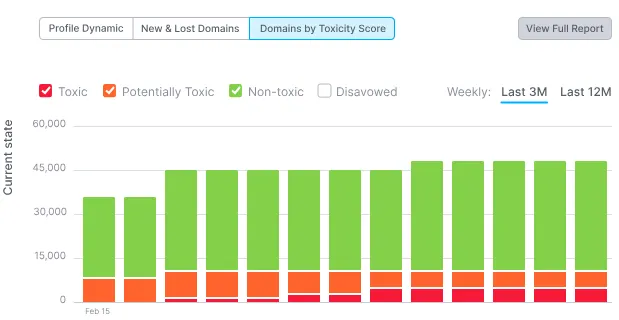
Semrush is what happens when a company has venture funding and decides to build 47 different tools into one platform. The backlink checker API is robust. Their backlink index is enormous. They update weekly. But you’re paying for the whole ecosystem whether you need it or not.
- 1 billion+ backlinks indexed
- Weekly updates
- Anchor text analysis
- Referral domain metrics
- Competitive link gap analysis
- Content marketing suite (whether you want it)
- Site audit module
- Keyword research included
- White-label API available
- Enterprise integration options
The API can handle serious scale. Their SEO backlink API is production-ready for demanding workflows. The documentation assumes you know what you’re doing, which is both a pro and con.
Semrush is best for
- Enterprise companies with $500K+ annual budgets
- Teams needing 10+ tools across one platform
- Companies requiring white-label solutions
- Organizations where tooling is managed by IT
- Sites with 500+ pages needing comprehensive audits
Pros & Cons of Semrush
Pros:
- Massive link database
- Weekly updates (reasonably fresh)
- Can handle enormous scale
- Integration with other modules (if you need that)
- API is reliable in production
- Enterprise support is legitimate
Cons:
- Overkill if you only need backlinks
- Pricing forces you into bundles
- Learning curve is steep
- Interface sometimes feels cluttered
- You’re paying for modules you’ll never touch
- Best backlink API for solo operators? No.
Pricing Overview of Semrush
- Pro Plan ($139.95/month): monitor up to 5 websites, keyword research tools, competitor analysis, position tracking, backlink analysis, site audit, and MCP access
- Guru Plan ($249.95/month): all Pro features plus monitoring for up to 15 websites, historical data, multi-location and device tracking, and content optimization tools
- Business Plan ($499.95/month): all Guru features plus monitoring for up to 40 websites, share of voice tracking, extended limits, API access, and migration support from third-party tools
Most agencies using Semrush seriously spend $250-500/month.
Use Cases of Semrush
- Enterprise site audits with backlink analysis
- Multi-channel marketing teams
- Agencies with 10+ FTE staff
- Companies auditing 1000+ pages monthly
- Competitive research across organic, paid, and backlinks
- White-label agency solutions
Ahrefs API: The Gold Standard (If Your Budget Allows)
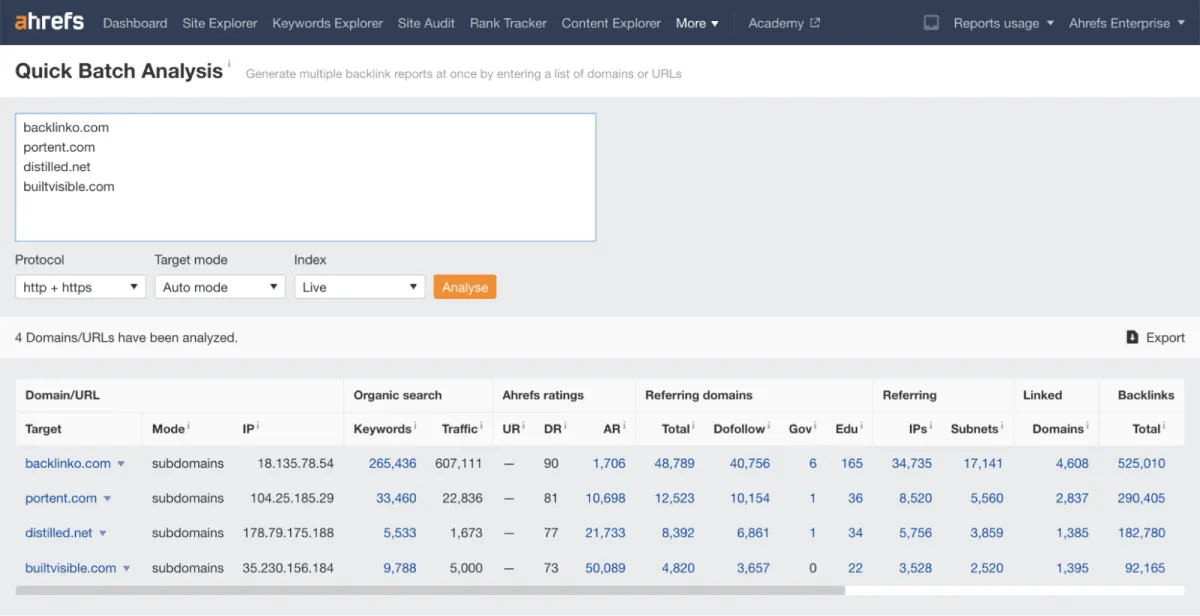
Ahrefs is the standard by which other backlink API providers measure themselves. They have the biggest link index. They update constantly. Their data quality is legendary. And they charge like they know it.
- 1.5+ billion backlinks
- Daily/weekly updates (fastest in the industry)
- Real-time crawl data
- URL rating and domain rating
- Referring domain details
- Anchor text analysis (comprehensive)
- Content gap analysis
- Keyword research (included)
- Site explorer module
- API is rock-solid stable
- Batch processing available
If you’ve never used Ahrefs, the first thing you’ll notice is that the data feels more correct than competitors. That’s not imagination. They invest heavily in crawl infrastructure.
Ahrefs is best for
- Competitive analysis teams
- Enterprise SEO operations
- Agencies where backlinks are critical
- Teams that need fastest possible updates
- Organizations doing serious link building
- Anyone who’s given up on price comparison
Pros & Cons of Ahrefs
Pros:
- Largest link database available
- Fastest update frequency
- Data quality is legitimately superior
- API is stable for high-volume requests
- Excellent documentation
- Support responds quickly
Cons:
- Starting price excludes small operations
- More expensive than every alternative on this list
- Overkill for basic backlink checking
- Can’t get away cheap even if you use 10% of features
- Sales team is persistently annoying
- Contracts can become expensive with volume
Pricing Overview of Ahrefs
- Lite Plan ($129/month): 5 projects, 6 months historical data, 750 tracked keywords, 5 tracked prompts, 100k crawl credits, 1,000 credits per user, 1 user (+2 at $40/mo), core tools (Site Explorer, Keywords Explorer, Rank Tracker, Site Audit, Competitive Analysis, API & MCP access, reports, dashboards)
- Standard Plan ($249/month): 20 projects, 2 years historical data, 2,000 tracked keywords, 10 tracked prompts, 500k crawl credits, unlimited credits per user, 1 user (+5 at $60/mo), all Lite features plus Content Explorer, batch analysis, SERP comparison, keyword clusters, AI suggestions, deeper analytics & reporting
- Advanced Plan ($449/month): 50 projects, 5 years historical data, 5,000 tracked keywords, 20 tracked prompts, 1.5M crawl credits, unlimited credits per user, 1 user (+10 at $80/mo), all Standard features plus Looker Studio integration, advanced site audit options, segmentation, and extended data insights
- Enterprise Plan ($1,499/month): all Advanced features plus unlimited API access, SSO & enterprise-grade security, access management & audit logs, unlimited historical data, custom limits & exports, and forecasting & trend analysis (annual commitment required)
Serious Ahrefs users spend $900-2000+/month.
Use Cases of Ahrefs
- Daily competitive monitoring for IT client campaigns
- Real-time link alert systems
- Enterprise backlink audits
- Outreach platforms requiring live data
- SaaS companies building SEO tools
- Agencies where backlinks are service centerpiece
Majestic API: The Historical Data Specialist
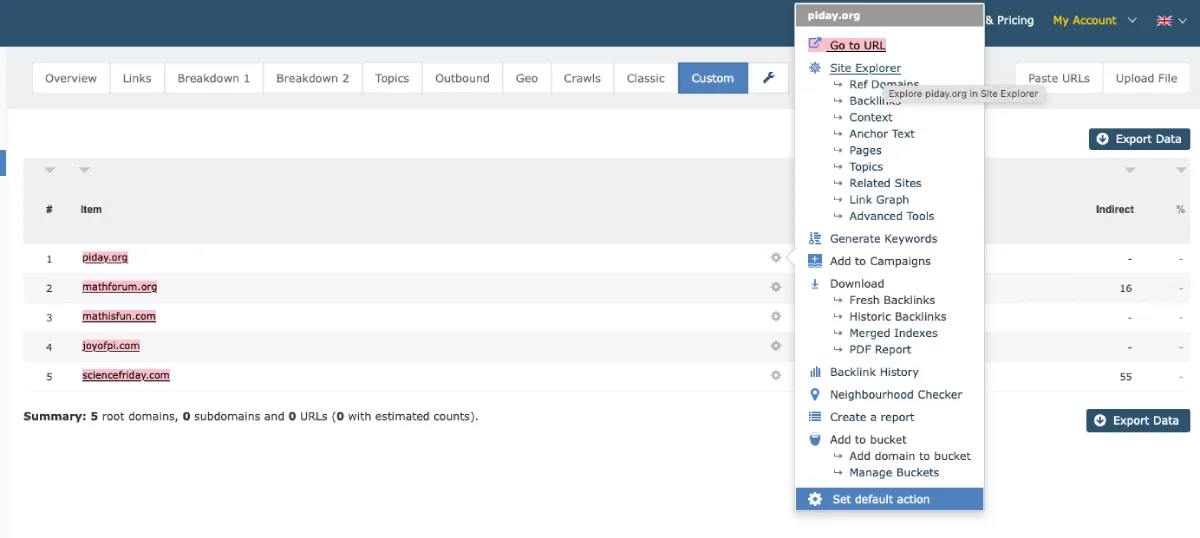
Majestic was doing backlinks before most competitors existed. They’re British, established, and focused almost exclusively on link data. The backlink checker API here is fine if you value history.
- 500M+ backlinks indexed
- Historical backlink tracking (years of data)
- Citation flow and trust flow metrics
- Anchor text analysis
- Referring domain data
- Bulk API for batch processing
- Multiple data sources (Index and Freshindex)
- Good documentation
Their unique angle is historical depth. If you need to see backlink profiles from 2010, they have it. Most modern tools don’t.
Majestic is best for
- Teams needing historical backlink analysis
- Academic or historical research
- Long-term client relationship tracking
- Niche use cases requiring link history
- Teams that adopted them years ago
Pros & Cons of Majestic
Pros:
- Cheapest entry point ($50/month)
- Historical data no one else has
- Citation flow metrics are useful
- API is stable
- Good for specific niche use cases
- Loyal customer base
Cons:
- Smaller index than Ahrefs or Semrush
- Update frequency varies (sometimes slow)
- Interface is dated
- Not ideal for real-time workflows
- Community is smaller
- Backlink data API coverage not comprehensive enough for modern needs
Pricing Overview of Majestic
- Lite Plan ($49.99/month): 1 million analysis units, 1 user, access to Fresh Index, Site Explorer, Link Graph, Trust Flow metrics, backlink tools, keyword checker, bulk backlink checker, PDF reports, and core website tools
- Pro Plan ($99.99/month): 20 million analysis units, 1 user, everything in Lite plus Historic Index, raw data exports, custom reports, site comparison, backlink history, Search Explorer, email alerts, and extended analytics tools
- API Plan ($399.99/month): 100 million analysis units, 5 users, everything in Pro plus full API access, scalable data volumes (up to 1B units), and custom data integration capabilities for agencies and developers
Use Cases of Majestic
- Historical backlink audits
- Long-term client relationship analysis
- Niche research projects requiring historical depth
- Academic SEO research
- Teams deeply invested in Citation Flow metrics
- Specific integration scenarios
DataForSEO API: The Developer’s Playground
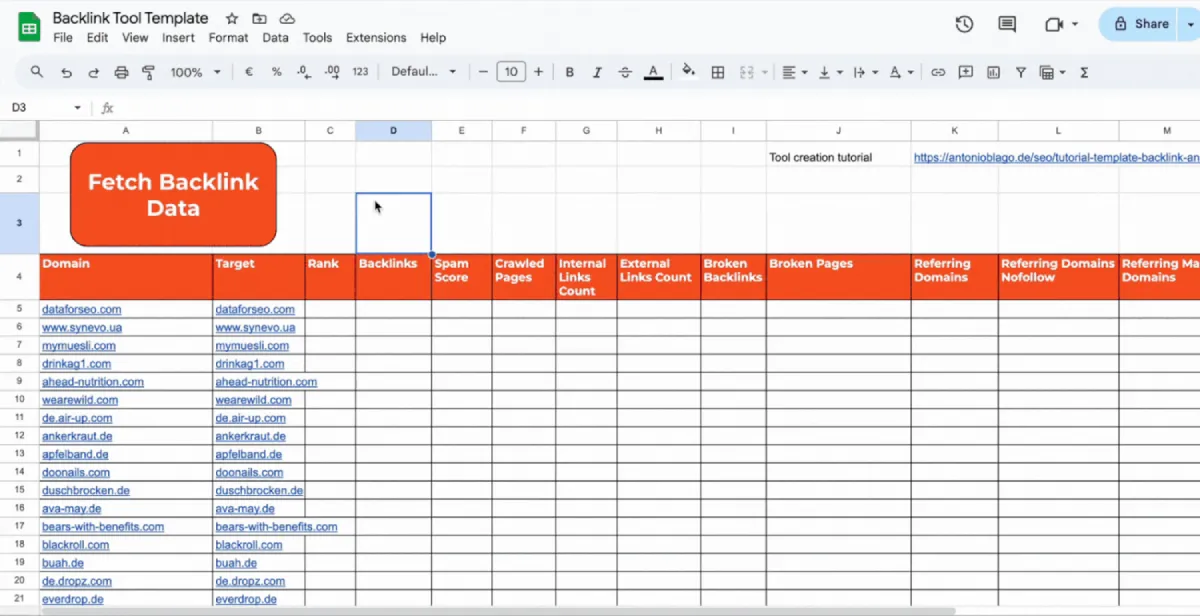
DataForSEO is obsessively comprehensive and API-first. This is the tool where developers land when they need control and don’t care about pretty dashboards. The SEO backlink extractor API they offer is essentially raw access to data.
- Massive backlink index
- Real-time updates (or near-real-time)
- Extensive filtering options
- JSON responses with custom fields
- Batch processing at scale
- WebSocket support for live data
- Custom data extraction
- Minimal limitations on field requests
- Documentation is dense but complete
This tool isn’t sold; it’s selected by developers who’ve exhausted other options.
DataForSEO is best for
- Custom SaaS tool development
- Teams needing maximum API flexibility
- Developers building proprietary systems
- Enterprise integration scenarios
- Anyone tired of tool limitations
- Technical teams with development resources
Pros & Cons of DataForSEO
Pros:
- Incredible API flexibility
- Real-time data available
- Minimal artificial constraints
- Great for custom development
- Developer documentation actually helps
- Scale-friendly
- No arbitrary rate limits
Cons:
- No user dashboard (everything is API)
- Expensive for small projects
- Requires development expertise
- Custom pricing is confusing
- Steep learning curve
- Not recommended for non-technical teams
Pricing Overview of DataForSEO
Pricing is custom-based on API calls and data volume. They charge per request with tiered discounts at higher volumes. Entry is roughly $500-1000/month minimum for meaningful usage. Enterprise accounts get custom-negotiated rates.
This is the most expensive option for small users, the cheapest for massive scale operations.
Use Cases of DataForSEO
- Custom backlink monitoring platforms
- Real-time link alert systems
- Machine learning training data generation
- Enterprise automation pipelines
- Multi-tenant SaaS backlink features
- Custom data analysis workflows
How To Make Your Choice on the Best Backlink Analysis API?
Budget first. If you’re a solo operator or 2-person agency, Majestic or SE Ranking makes sense. If you’re managing 20+ accounts, Serpstat or SE Ranking. If you’re enterprise, Semrush or Ahrefs. DataForSEO only if you’re building something custom.
Update frequency matters more than link count. Most backlink operations don’t need daily updates. Weekly is fine. Some don’t need monthly. Ask yourself: would the 3-day lag between Ahrefs and SE Ranking actually affect your decisions? If no, you’re overpaying.
API quality beats feature breadth. A simple API you understand beats a complex one with 100 features you’ll ignore. SE Ranking wins here for most people.
Integration requirements change everything. If you’re feeding data into a CRM, white-label system, or custom dashboard, API documentation matters more than UI beauty. DataForSEO shines if you have the technical team.
Conclusion
The best backlinks API for you depends on whether you’re running a 5-figure budget operation or a 6-figure one. It depends on whether you’re reporting to clients monthly or monitoring competitors daily. It depends on whether your developer can configure API responses or whether you need a dashboard. So:
- SE Ranking wins on value for most SERM experts.
- Ahrefs wins on data quality if budget allows.
- Serpstat wins on bundled features.
- DataForSEO wins on flexibility for builders.
- Majestic wins on specificity for historical work.
Stop asking what’s objectively best. Start asking what fits your workflow, your budget, and your technical capacity. Test a few for a month. The answer will become obvious.
FAQ
1. What’s the difference between a backlink checker API and regular backlink tools?
A backlink checker API lets you pull data programmatically instead of clicking through a dashboard. You can automate reports, integrate with your own tools, and process multiple sites simultaneously without human effort.
2. Can I use a backlink API for bulk backlink analysis across many sites?
Yes. Most providers offer bulk backlink analysis API features that let you process dozens or hundreds of sites in one request. SE Ranking, Serpstat, and Ahrefs all support this.
3. Which backlink API provider has the largest link index?
Ahrefs has 1.5+ billion links, DataForSEO is similarly massive, Semrush has 1B+. Majestic has 500M+. For most use cases, the difference doesn’t matter as much as update frequency.
4. Do I need developer skills to use a backlink API?
Basic integration? No, most tools offer webhook and basic integration. Custom development? Yes. Depends which backlink API and what you’re building.
5. Can I white-label backlink API data?
SE Ranking, Semrush, and Ahrefs offer white-label options. DataForSEO and Serpstat can work with custom branding. Majestic has limited white-label support.
6. What’s the cheapest backlink API option?
Majestic ($50/mo) and SE Ranking ($50 minimum deposit for 250,000 credits) are both the cheapest. Both are legitimate backlink API options if you don’t need massive scale.
7. Which backlink API is best for e-commerce sites?
SE Ranking or Serpstat if you’re tracking 10-50 sites. Ahrefs if you’re serious about competitor analysis. The SEO backlink API choice depends on your competition’s link-building speed.
8. Can backlink APIs integrate with my CRM or marketing platform?
Yes. Most offer webhooks, API documentation, or pre-built Zapier integrations. DataForSEO and Ahrefs have the most flexible backlink data API options for custom integration.
9. What should I look for in a backlink analysis API?
Update frequency matching your needs, data accuracy you trust, backlink API documentation you understand, pricing that doesn’t shock you, and whether you need historical data. Test first, buy second.
10. What backlink checker API should I choose: Ahrefs, Serpstat, or DataForSEO?
The best backlink checker API depends on your case. Ahrefs dominates if budget isn’t a concern. Serpstat punches above its weight for smaller agencies. DataForSEO works for developers who want raw flexibility.


Leave a Reply