
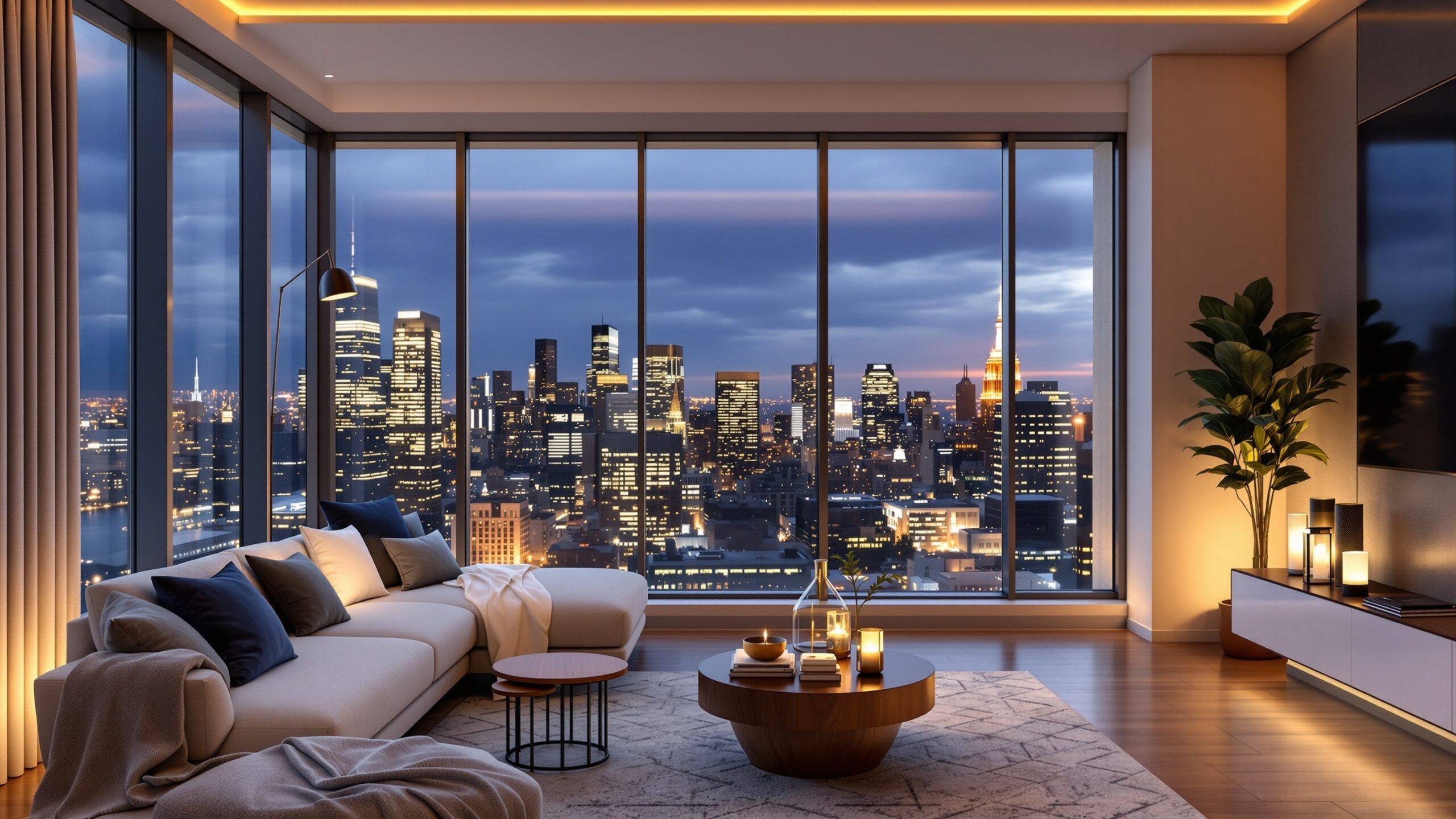
Studio Apartments and the Rise of Efficient Urban Living Spaces Designed for Modern Comfort and Smart Lifestyles
Introduction
The way people choose and experience their homes has changed dramatically over the years. Modern lifestyles are increasingly influenced by convenience, flexibility, affordability, and efficiency. As urbanization continues to expand and housing preferences evolve, many individuals are looking for living spaces that align with their practical needs without compromising comfort or functionality. This shift has contributed to the growing popularity of smaller residential units that maximize every square foot while supporting a comfortable and modern lifestyle.
Among the many housing options available today, studio apartments have emerged as one of the most appealing choices for students, young professionals, remote workers, retirees, and individuals seeking a simplified way of living. These compact residences combine essential living areas into a single, thoughtfully designed space that promotes efficiency and convenience. Rather than focusing on size alone, modern residents are increasingly prioritizing how effectively a home supports their daily routines and long-term goals.
The popularity of compact living reflects broader societal changes, including increasing housing costs, shifting work habits, and a growing interest in minimalist lifestyles. As a result, smaller residential spaces have become an important part of the modern housing landscape and continue to attract a diverse range of residents.
Understanding the Appeal of Compact Living
The concept of compact living is rooted in the idea that a home does not need excessive space to provide comfort, functionality, and satisfaction. Many people are discovering that a well-designed residence can meet their needs while reducing maintenance responsibilities and overall living expenses.
Smaller homes encourage residents to focus on what truly matters. Instead of filling extra rooms with unnecessary furniture and belongings, individuals often adopt a more intentional approach to organizing their living environments. This mindset can contribute to reduced clutter, improved efficiency, and a greater sense of control over one’s personal space.
The appeal of compact living extends beyond practicality. Many residents appreciate the cozy atmosphere and ease of managing a smaller home. Cleaning requires less time, utility costs are often lower, and daily routines become more streamlined. These advantages make compact residences particularly attractive to individuals who value simplicity and flexibility.
As housing markets continue to evolve, demand for efficient living spaces remains strong. Residents are increasingly recognizing that quality of life is determined not only by square footage but also by thoughtful design, convenience, and accessibility.
Affordability and Financial Advantages
One of the primary reasons many people choose smaller residential units is affordability. Housing expenses represent one of the largest components of personal budgets, making cost-effective living arrangements highly desirable. Compact residences often provide an opportunity to secure housing in desirable communities while maintaining greater financial flexibility.
Lower rental rates or purchase prices can help residents allocate resources toward other important priorities such as education, travel, investments, personal development, or savings goals. For young professionals entering the workforce, affordable housing options can provide a valuable foundation for financial stability.
In addition to lower housing costs, smaller residences frequently result in reduced utility expenses. Heating, cooling, and lighting a compact space generally require less energy than maintaining a larger property. These savings accumulate over time and contribute to long-term financial benefits.Maintenance costs are also typically lower. Residents spend less money on furnishing, decorating, and maintaining their homes, making compact living a practical solution for those seeking financial efficiency without sacrificing comfort.
Maximizing Space Through Intelligent Design
The success of compact residential living depends largely on thoughtful design. Modern architects and interior designers have developed innovative strategies that allow smaller homes to feel open, functional, and inviting.
Open floor plans are among the most effective design features in compact residences. By minimizing unnecessary walls and barriers, designers create a sense of spaciousness while improving natural light distribution throughout the home. Multifunctional furniture further enhances usability by allowing a single piece to serve multiple purposes.Storage solutions play a crucial role in maximizing available space. Built-in shelving, under-bed compartments, wall-mounted cabinets, and modular furniture systems help residents organize their belongings efficiently. These design elements enable individuals to maintain a clean and uncluttered environment despite limited square footage.
Modern studio apartments often incorporate creative layouts that distinguish sleeping, working, dining, and relaxation areas without requiring separate rooms. Through strategic furniture placement and design techniques, residents can enjoy distinct functional zones within a unified living space.The emphasis on intelligent design demonstrates that effective use of space can be more valuable than simply increasing the size of a residence.
Supporting Modern Lifestyles
Contemporary lifestyles demand flexibility, adaptability, and convenience. Many people work remotely, pursue multiple interests, and maintain busy schedules that require efficient living arrangements. Compact residences are particularly well-suited to these evolving needs.
Remote work has transformed how individuals use their homes. Residents increasingly seek spaces that can accommodate both professional and personal activities. Compact homes with flexible layouts allow individuals to create productive workstations while maintaining comfortable living environments.
Frequent travelers also benefit from smaller residences. Reduced maintenance responsibilities make it easier to leave home for extended periods without worrying about extensive upkeep. This flexibility appeals to professionals, digital nomads, and individuals who prioritize experiences over possessions.
Minimalist lifestyles have further contributed to the popularity of compact living. Many people are intentionally reducing material possessions and focusing on meaningful experiences. Smaller homes naturally support this approach by encouraging thoughtful purchasing decisions and efficient organization.These lifestyle trends suggest that compact residential spaces will continue to play an important role in meeting the needs of modern residents.
Environmental Sustainability and Resource Efficiency
Sustainability has become an increasingly important consideration in housing decisions. Compact residences offer several environmental advantages that align with growing concerns about resource conservation and ecological responsibility.Smaller homes generally consume fewer construction materials than larger properties. Reduced material usage contributes to lower environmental impact during the building process. Additionally, compact residences require less energy for heating, cooling, and lighting, resulting in decreased utility consumption.
Efficient use of resources extends beyond energy savings. Residents often adopt more mindful consumption habits when living in smaller spaces. Limited storage capacity encourages thoughtful purchasing decisions and reduces unnecessary accumulation of goods.
Many modern housing developments incorporate sustainable features such as energy-efficient appliances, environmentally friendly building materials, and smart home technologies. These innovations further enhance the environmental benefits of compact living.As sustainability continues to influence consumer preferences, compact housing options are likely to remain attractive to environmentally conscious individuals seeking practical ways to reduce their ecological footprint.
Creating Comfortable and Functional Living Environments
Comfort remains a fundamental requirement regardless of a home’s size. Successful compact residences achieve comfort through careful planning, quality materials, and thoughtful design choices.Natural lighting plays a significant role in creating inviting interiors. Large windows, reflective surfaces, and open layouts help maximize available daylight, making smaller spaces feel larger and more welcoming. Proper lighting design also contributes to mood enhancement and overall well-being.
Furniture selection is equally important. Choosing appropriately scaled furnishings ensures that living areas remain functional without feeling crowded. Multifunctional pieces allow residents to adapt their spaces to various activities throughout the day.
Color schemes and interior finishes influence the perception of space as well. Light colors, clean lines, and cohesive design elements can create an airy atmosphere that enhances comfort and visual appeal.Modern studio apartments demonstrate how thoughtful design can transform limited square footage into highly livable environments that support diverse lifestyles and personal preferences.
Community and Lifestyle Benefits
Housing decisions are often influenced by factors beyond the residence itself. Many residents value access to community amenities, social opportunities, and convenient services that enhance their overall quality of life.
Compact residential developments frequently include shared amenities such as fitness centers, coworking spaces, lounges, outdoor gathering areas, and recreational facilities. These amenities effectively extend residents’ living environments beyond their individual units.
Community-focused developments encourage social interaction and foster a sense of belonging. Residents can build relationships, participate in events, and engage with neighbors who share similar interests and lifestyles.
Proximity to shopping, dining, entertainment, and public transportation further enhances the appeal of compact living. Easy access to essential services and leisure opportunities supports a convenient and well-balanced lifestyle.These community-oriented advantages contribute significantly to the ongoing popularity of smaller residential spaces and help residents enjoy a more connected living experience.
The Future of Compact Residential Housing
The future of housing will likely continue to emphasize efficiency, adaptability, and sustainability. Population growth, changing demographics, and evolving lifestyle preferences are expected to drive ongoing demand for innovative residential solutions.Advancements in architecture, technology, and interior design will further improve the functionality of compact homes. Smart home systems, modular construction techniques, and flexible layouts will enable residents to customize their environments according to their unique needs.
Developers are increasingly recognizing the value of creating housing options that balance affordability with quality. Compact residences provide an effective solution for addressing housing demand while maximizing land use and resource efficiency.
As cities and communities continue to evolve, housing designs that prioritize practicality and resident well-being will remain highly relevant. Compact living is not merely a temporary trend but rather a long-term response to changing economic, environmental, and social realities.The continued success of studio apartments reflects their ability to adapt to these evolving needs while offering a practical and appealing housing solution for a wide range of individuals.
Conclusion
Modern housing preferences are increasingly shaped by the desire for efficiency, affordability, sustainability, and convenience. Compact residential spaces offer a compelling alternative to traditional housing by demonstrating that comfort and functionality do not depend solely on size. Through intelligent design, flexible layouts, and thoughtful use of resources, these residences provide meaningful living experiences that align with contemporary lifestyles.
The growing popularity of studio apartments highlights the changing priorities of today’s residents. Whether motivated by financial considerations, environmental awareness, lifestyle flexibility, or a desire for simplicity, many individuals are embracing compact living as a practical and rewarding choice. As housing markets continue to evolve, smaller residential spaces are likely to remain an important and influential component of the modern housing landscape, providing residents with efficient homes that support both present needs and future aspirations.


Leave a Reply