
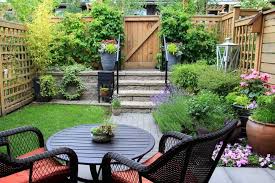
How Landscaping Design Creates Functional Outdoor Spaces That Support Everyday Living
Introduction
Outdoor spaces have become increasingly important as homeowners look for ways to extend comfort and functionality beyond the walls of their homes. A well-planned yard can provide opportunities for relaxation, entertainment, recreation, and daily enjoyment. However, without proper planning, outdoor areas often feel disconnected, underutilized, or difficult to maintain.
Many properties contain valuable outdoor space that is not being used to its full potential. Poor layouts, unclear pathways, and mismatched features can limit usability while reducing overall visual appeal. These challenges often prevent homeowners from fully enjoying their outdoor environment.
Professional landscaping design offers a strategic approach to creating outdoor spaces that are both practical and attractive. Refuge Design & Landscape helps homeowners develop environments that support daily living by combining functionality, organization, and visual harmony into a cohesive outdoor experience.
Why Outdoor Planning Matters
A successful outdoor space begins with a clear plan. Without structure, landscaping elements may be added over time without considering how they interact with one another.
This often leads to areas that feel cluttered, inefficient, or disconnected. Features may compete for space rather than work together to support a unified purpose.
Thoughtful planning helps ensure that every element contributes to both functionality and appearance, creating a space that serves homeowners more effectively.
Creating Purpose Within the Landscape
Every outdoor area should have a purpose that reflects how the homeowner intends to use the space. Some families prioritize entertaining guests, while others focus on relaxation, gardening, or recreational activities.
Defining these goals early helps guide design decisions and ensures that the layout supports everyday needs. Purpose-driven spaces are generally more enjoyable and easier to use.
A clear vision allows outdoor environments to become natural extensions of indoor living areas.
Establishing Functional Outdoor Zones
Supporting Multiple Activities
Many homeowners want their outdoor spaces to serve several purposes simultaneously. A single yard may need to accommodate dining, relaxation, gardening, and family activities.
Landscaping design helps organize these functions into clearly defined zones that work together without interfering with one another. This approach improves usability while maintaining a sense of order.
Defined areas make it easier for homeowners to enjoy different activities within the same property.
Improving Organization and Flow
Without designated zones, outdoor spaces can feel disorganized and difficult to navigate. Activities may overlap in ways that reduce comfort and efficiency.
Organized layouts help create natural transitions between areas while preserving each zone’s intended function. Clear boundaries improve both movement and usability.
A structured environment contributes to a more comfortable and enjoyable outdoor experience.
Enhancing Movement Throughout the Property
Ease of movement is one of the most important aspects of outdoor functionality. Poorly planned layouts often create obstacles that disrupt traffic flow and reduce accessibility.
Pathways, transitions, and open spaces should guide movement naturally while connecting different parts of the property. Thoughtful circulation patterns improve convenience and support everyday use.
Refuge Design & Landscape focuses on creating layouts that encourage smooth movement while maintaining visual balance throughout the outdoor environment.
Balancing Beauty and Practicality
An attractive landscape should also be functional. Focusing solely on appearance may result in spaces that look appealing but fail to meet practical needs.
Successful designs balance visual interest with usability. Plants, hardscaping, seating areas, and open spaces should all contribute to both form and function.
This balanced approach creates environments that homeowners enjoy using regularly rather than simply admiring from a distance.
Integrating Natural and Built Elements
Outdoor spaces often include a combination of natural features and structural components. Plants, lawns, patios, walkways, and decorative elements must work together to create a cohesive appearance.
When these elements are not properly integrated, the landscape may feel fragmented or unbalanced. Careful planning helps establish harmony between natural and constructed features.
Landscaping design ensures that every component contributes to a unified overall vision while supporting practical functionality.
Maximizing Available Space
Every property has unique characteristics that influence how outdoor space should be used. Large yards may offer flexibility, while smaller spaces require more strategic planning.
Effective layouts make the most of available square footage by ensuring that every area serves a purpose. Proper organization prevents overcrowding while maintaining comfort and accessibility.
Even compact outdoor spaces can feel open and functional when designed thoughtfully.
Supporting Outdoor Living
Homeowners increasingly view outdoor areas as extensions of their living space. Comfortable and functional landscapes encourage people to spend more time outside and enjoy their property throughout the year.
Outdoor living areas may include seating spaces, gathering zones, gardens, or recreational features. These elements help create environments that support a wide variety of activities.
Refuge Design & Landscape helps homeowners create outdoor spaces that align with their lifestyle and encourage consistent use.
Improving Visual Balance
Visual balance influences how people perceive and experience a landscape. Poorly arranged features can make outdoor spaces feel cluttered or overwhelming.
Strategic placement of plants, structures, and open areas helps create a sense of order and harmony. Balanced designs guide the eye naturally through the space while maintaining visual interest.
A well-composed landscape feels more comfortable and inviting for both residents and visitors.
Simplifying Long-Term Maintenance
Functionality extends beyond initial appearance. Landscapes should be designed with long-term maintenance considerations in mind.
Poor planning may result in excessive upkeep requirements that make the space difficult to manage. Choosing appropriate materials and organizing features thoughtfully helps reduce ongoing maintenance challenges.
Practical design decisions support long-term satisfaction and preserve the usability of the outdoor environment.
Adapting to Changing Lifestyle Needs
Families and homeowners often experience changing needs over time. Outdoor spaces should be flexible enough to accommodate these transitions without requiring complete redesign.
Flexible layouts allow adjustments as priorities evolve. Areas used for one purpose today may serve a different function in the future.
Landscaping design supports adaptability by creating foundations that can evolve while maintaining overall cohesion and functionality.
Increasing Property Appeal
A well-designed landscape contributes significantly to a property’s overall appearance. Organized layouts, attractive features, and functional spaces create a positive impression that enhances curb appeal.
Potential buyers often appreciate outdoor environments that appear purposeful and easy to use. Functional landscapes demonstrate thoughtful planning and responsible property care.
Refuge Design & Landscape helps homeowners create outdoor spaces that improve both everyday enjoyment and long-term property value.
Creating Lasting Outdoor Experiences
The most successful landscapes are those that become an active part of daily life. Spaces designed with functionality and comfort in mind encourage regular use and provide lasting benefits.
Thoughtful organization allows homeowners to move seamlessly between activities while enjoying a cohesive outdoor environment. These experiences contribute to greater satisfaction with the property as a whole.
A well-planned landscape becomes more than a collection of features—it becomes a meaningful extension of the home.
Conclusion
Landscaping design plays a vital role in transforming outdoor areas into functional environments that support everyday living. Through thoughtful planning, organized layouts, balanced aesthetics, and practical solutions, homeowners can create spaces that enhance comfort, usability, and long-term enjoyment.
Refuge Design & Landscape helps property owners develop outdoor environments that combine beauty with functionality. By focusing on movement, organization, adaptability, and visual harmony, professionally designed landscapes provide lasting value while encouraging greater use of outdoor spaces.
Investing in thoughtful outdoor planning creates an environment that supports daily life, improves property appeal, and delivers benefits for years to come.


Leave a Reply