
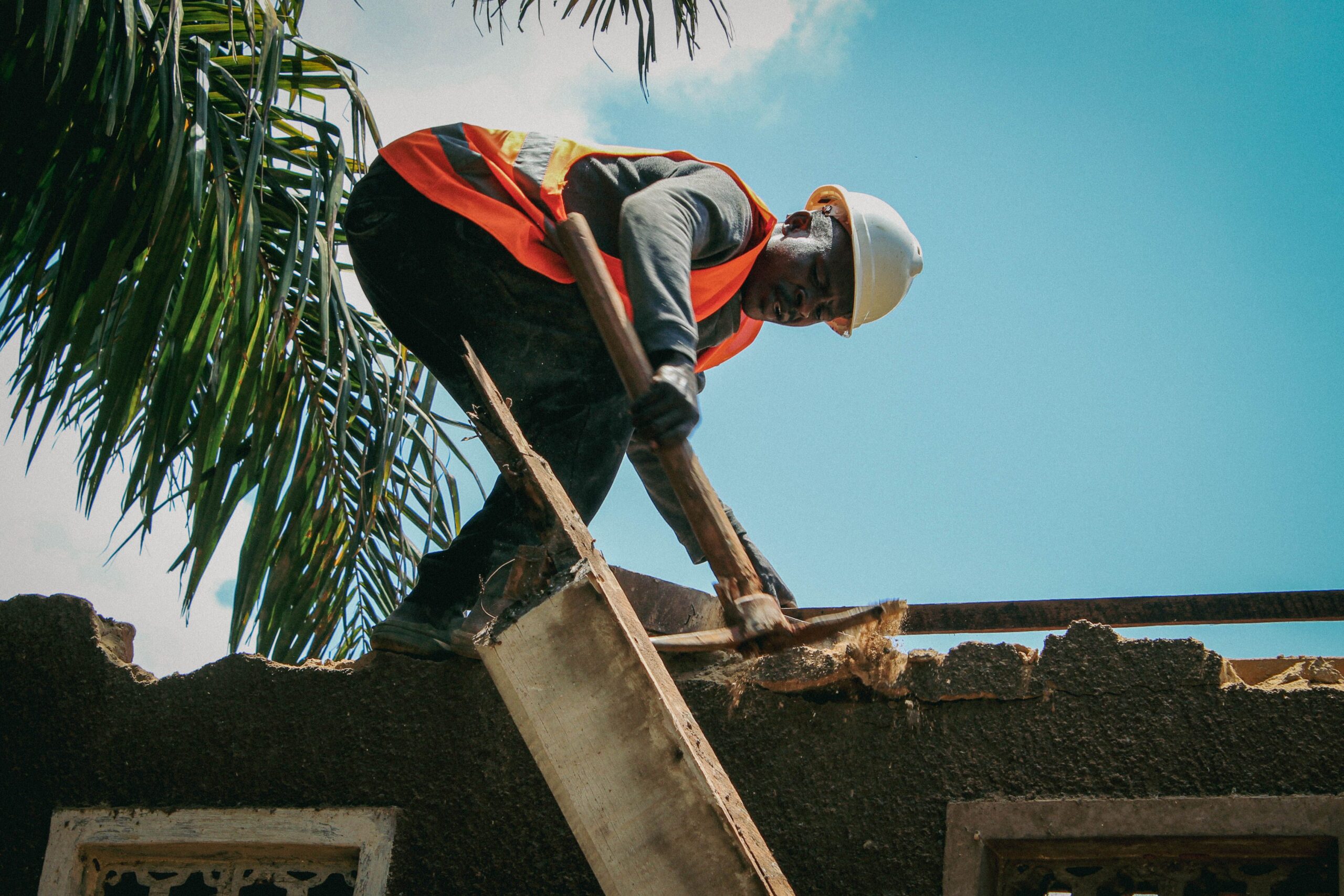
The Complete Guide to Storm Damage Roof Repair for Fast Recovery, Structural Protection, and Long-Term Durability
Introduction
Storms are among the most damaging natural events for roofing systems because they combine heavy rain, strong winds, hail, lightning, and flying debris into a single event capable of causing sudden and severe structural harm. Even a short storm can compromise shingles, flashing, gutters, and underlying roofing layers, leaving a building vulnerable to leaks and long-term deterioration. Immediate response and proper restoration are essential to prevent small storm-related issues from turning into costly structural problems.
Storm damage often affects roofing systems in multiple ways at once, which makes inspection and repair more complex than standard maintenance. Some damage is visible immediately, such as missing shingles or broken sections, while other issues remain hidden beneath the surface and only reveal themselves through leaks or interior water stains later. This is why understanding storm impact on roofing systems and the repair process is essential for protecting any property.
How Storms Damage Roofing Systems
Storms can damage roofs in several ways depending on their intensity and duration. High winds are one of the most destructive forces, as they can lift shingles, loosen flashing, and expose the roof deck to moisture. Once shingles are lifted or removed, water can easily penetrate the underlying structure and begin causing internal damage.
Heavy rainfall during storms can overwhelm drainage systems, leading to water pooling and seepage through weak points in the roofing material. Hail can create dents, cracks, and granule loss, weakening the roof’s protective surface. Flying debris such as branches or loose objects can puncture roofing materials and create immediate openings for water intrusion.
Because storm damage often affects multiple components simultaneously, early detection and repair are critical to preventing long-term structural issues.
Early Signs of Storm Damage on Roofs
Recognizing storm damage quickly helps reduce repair costs and prevent further deterioration. One of the most obvious signs is missing or visibly displaced shingles, which indicates that wind has lifted or removed protective layers. Water stains on ceilings or walls often indicate that moisture has already entered the structure.
Other warning signs include damaged gutters, bent flashing, and debris accumulation on the roof surface. Inside the home, increased humidity or musty odors may signal hidden water intrusion. Exterior signs such as fallen branches or visible roof sagging also suggest potential structural damage.
Because many storm-related issues are not immediately visible, professional inspection is often necessary after severe weather events.
Step-by-Step Storm Damage Repair Process
The repair process for storm-damaged roofs involves a structured approach designed to identify all affected areas and restore full functionality. The first step is a detailed inspection, where roofing professionals assess both exterior and interior conditions to determine the extent of damage.
The second step involves documentation and damage assessment, which is especially important for insurance claims and determining repair scope. The third step is temporary protection, such as tarping or sealing exposed areas to prevent further water intrusion.
The fourth step involves repairing or replacing damaged roofing components, including shingles, flashing, underlayment, and gutters. The final step includes sealing, cleanup, and final inspection to ensure the roof is fully restored and weather-resistant.
Importance of Professional Storm Damage Roof Repair
Storm damage can be complex because it often involves both visible and hidden structural issues. Without proper expertise, underlying damage may go unnoticed, leading to recurring leaks and long-term deterioration.
This is why many property owners rely on expert services for storm damage roof repair to ensure accurate inspection, fast response, and long-lasting restoration. Professional roofers are trained to identify subtle signs of damage that may not be obvious during initial inspection, ensuring that all affected areas are properly repaired.
Without professional repair, storm damage can worsen over time and lead to expensive structural repairs.
Tools and Materials Used in Storm Repairs
Storm damage repair requires a variety of specialized tools and materials depending on the severity of the damage. Roofing nails, replacement shingles, sealants, and waterproof membranes are commonly used to restore damaged areas.
Flashing materials are used to reinforce vulnerable sections such as chimneys, vents, and roof edges. Heavy-duty tarps are often used for temporary protection during emergencies. Safety equipment such as harnesses, ladders, and helmets is essential for working in unstable conditions.
Moisture detection tools help identify hidden water intrusion within the roof structure and insulation layers.
Structural Risks of Untreated Storm Damage
If storm damage is not repaired quickly, it can lead to serious structural issues. Water intrusion can weaken wooden framing, damage insulation, and deteriorate interior ceilings and walls. Over time, moisture buildup can lead to mold growth, which spreads rapidly and affects indoor air quality.
Electrical systems may also be compromised if water reaches wiring or fixtures, creating safety hazards. Continued exposure to weather conditions can worsen existing damage, making repairs more expensive and extensive.
Timely repair is essential to prevent long-term structural failure.
Weather Impact After Storm Damage
After a storm, roofing systems become more vulnerable to additional weather conditions. Even light rain can enter exposed areas and worsen internal damage. Wind can further loosen already weakened materials, while temperature changes can cause expansion and contraction that enlarges cracks or gaps.
Snow or ice following storm damage can add extra weight and pressure to compromised roof structures. These combined effects make immediate repair and protection extremely important.
Temporary Protection Methods
Temporary protection plays a critical role in minimizing damage before full repairs can be completed. Roof tarping is one of the most common methods used to cover exposed areas and prevent water intrusion.
Roofing cement or sealants can be applied to small openings to reduce leakage temporarily. Redirecting water flow using temporary drainage solutions can also help protect interior spaces. These measures help stabilize the situation until permanent repairs can be safely performed.
Preventive Maintenance for Storm Protection
While storms cannot be prevented, proper maintenance can reduce their impact on roofing systems. Regular inspections help identify weak points such as loose shingles, damaged flashing, or clogged gutters before storms occur.
Cleaning debris from roofs and ensuring proper drainage reduces the risk of water accumulation. Strengthening roofing materials and upgrading to impact-resistant products can also improve storm resistance. Preventive care significantly reduces repair costs and improves roof durability.
Insurance Considerations for Storm Damage
Storm damage is often covered by insurance policies, but proper documentation is essential for claim approval. Professional inspection reports, photographs, and detailed assessments help support claims and ensure accurate compensation.
Timely reporting is important because delays can affect the claim process. Working with roofing professionals helps streamline documentation and ensures that all damage is properly recorded.
Long-Term Benefits of Proper Storm Damage Repair
Proper storm damage repair restores structural integrity, prevents leaks, and ensures long-term durability of the roofing system. Timely repairs also help maintain property value and reduce the risk of recurring issues.
When handled correctly, storm damage restoration can extend the lifespan of the roof and improve resistance to future weather events. Professional repair ensures that both visible and hidden damage are fully addressed.
Conclusion
Storms can cause sudden and extensive damage to roofing systems, affecting both surface materials and hidden structural layers. Effective storm damage roof repair requires rapid inspection, temporary protection, detailed assessment, and professional restoration to ensure complete recovery.
With timely action, proper tools, and expert intervention, storm-damaged roofs can be fully restored and protected against future weather conditions. Professional repair ensures long-term safety, durability, and peace of mind for property owners.


Leave a Reply