
Rugged Mobile Devices: What They Are and How They Work
Regular phones crack, flood, and freeze up in tough conditions. Rugged mobile devices are built to avoid all three problems. They matter more than most buyers realize until something breaks.
They use reinforced housings, sealed ports, and tougher screens. This lets them survive drops, dust, rain, and rough daily handling. Many also add larger batteries and stronger grips for long shifts.
Construction crews, technicians, delivery drivers, and outdoor explorers rely on them daily. A cracked screen or dead phone in the field costs time and money. Downtime on a job site adds up fast. A single dropped call can stall an entire crew.
This guide explains what these devices actually are. It covers how they work and who needs one. You will also learn how to pick the right model.
What Are Rugged Mobile Devices?
These are phones and tablets built with reinforced bodies. They survive drops, water, dust, and temperature swings. They look similar to normal smartphones on the outside. The difference sits underneath the shell.
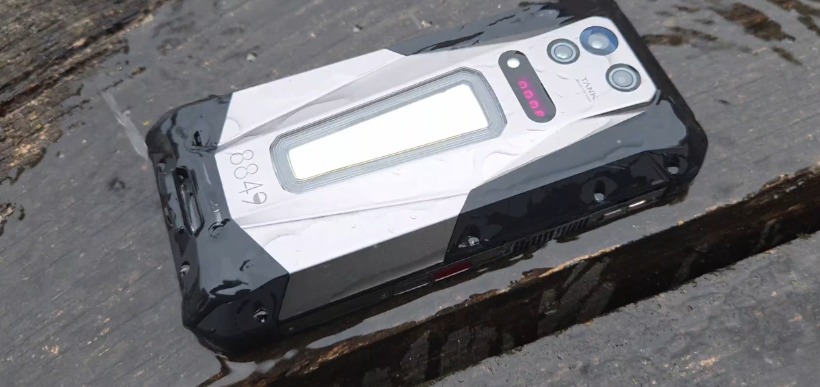
Manufacturers add rubber gaskets around ports and thicker frames. Corners get shock-absorbing padding for extra protection. Screens use toughened glass that resists scratches and cracks. Some models add extra tools for fieldwork, such as flashlights or barcode scanners. A rugged projector phone, for example, is a smartphone with a built-in projector. It lets you share plans, maps, or videos on site.
Key Features That Make Rugged Phones Tough
Every rugged phone shares a few design traits. These set it apart from a standard consumer model. Manufacturers focus on sealing, structure, and grip rather than thinness.
These choices trade slight bulk for real-world reliability. A phone that survives a fall helps a busy worker more than a sleek one. That tradeoff shapes almost every design choice on a rugged device.
Rugged Mobile Devices
The build starts with a reinforced internal frame. It is often made from metal or hardened polymer. This frame protects the circuit board during a fall. It also spreads impact away from delicate components.
Sealed ports and rubber gaskets block dust and moisture. Screws and seams get extra sealing during assembly to keep grit out. Speaker grilles and camera housings often get the same treatment.
Toughened glass or polymer screens resist cracks from drops onto concrete. Many screens also support use with wet fingers or thick work gloves. Some models add textured edges for a firmer grip on ladders or scaffolding.
Testing Standards
Manufacturers reference two common standards when describing durability. These are IP ratings and MIL STD testing. Both appear on nearly every rugged phone listing.
IP ratings describe resistance to dust and water in general terms. They are based on controlled lab conditions. A higher second digit usually points to stronger water resistance in that setting.
MIL STD refers to a set of military test methods. It covers shock, vibration, and temperature changes. Passing internal testing is not the same as independent certification. Treat any specific number as a general indicator. It is not a guarantee for every situation you might face.
How IP Ratings And Durability Claims Work
A rugged phone listing often shows codes like IP68. Some also mention MIL STD compliance. These labels describe test conditions, not a guarantee. Marketing pages sometimes stretch what a rating actually proves.
Understanding them helps you compare phones more accurately. A quick review of what each rating covers goes a long way. It also helps you spot vague or exaggerated claims faster.
- The IP rating has two digits. The first covers dust, the second covers water.
- A higher first digit generally means better sealing against dust and particles.
- A higher second digit generally points to stronger resistance to water immersion.
- MIL STD testing covers drops, vibration, heat, cold, and humidity in a lab setting.
- None of these labels guarantee performance after years of daily wear.
Use these ratings as a general guide during comparison shopping. Always check the exact wording a brand uses, since claims vary between manufacturers. A vague claim without a specific rating deserves extra scrutiny. Ask for the exact test number before you trust any durability claim on a listing page.
Who Relies On Rugged Mobile Devices?
These tough phones serve anyone who works or plays somewhere a regular phone would struggle. Most users work outdoors or on unpredictable job sites. Some simply want fewer trips to a repair shop.
Field Crews
Construction workers, electricians, and technicians drop phones on concrete constantly. A rugged device shrugs off impacts that would shatter a normal screen. That reliability matters most during a busy shift.
Dust from job sites and cement mixing also threatens standard phones. Sealed ports keep debris away from charging ports and speakers. This lowers the risk of a phone failing mid-task.
Outdoor Users
Hikers, campers, and anglers face rain, mud, and sudden drops into water. A rugged phone keeps working through weather changes that would end a normal trip early. Many models also add bright screens for visibility outdoors.
Delivery drivers and warehouse staff also benefit, since their phones get handled roughly for entire shifts. Fewer repairs mean fewer interruptions to daily work. Teams also spend less time waiting on replacement devices.
How To Choose A Rugged Phone For Field Use
Picking the right rugged phone means matching features to how you actually use your device. Skipping this step often leads to buying more phones than you need, or too few.
Start with your environment first. Then narrow choices by battery life, screen size, and any extra tools you need. Compare a short list of two or three models before deciding. Real user reviews often reveal details a spec sheet leaves out, especially about grip and weight.
- List the conditions you face most, such as rain, dust, or frequent drops.
- Check the stated IP rating and read what it actually covers before comparing models.
- Confirm battery capacity matches your typical shift or trip length.
- Decide if you need extra tools, such as a flashlight or a built-in projector.
- Compare screen size against pocket space and glove compatibility.
- Read the return policy before buying, since fit and grip vary between models.
If a built-in projector matters for your work, for example, the Tank 5 from the 8849 tank series is worth a look. It pairs rugged protection with a projector for quick site presentations.
Are Rugged Phones Worth The Investment?
Yes, for most people who work outdoors or handle phones roughly, it pays for itself. The upfront cost usually runs higher than a standard phone. Reinforced materials and sealing add to manufacturing expenses. That cost gets offset by fewer repairs and less downtime. A single cracked screen replacement can cost more than the price difference upfront. Lost work hours from a dead phone add to that total too. Replacing a phone mid-project also disrupts scheduling and communication with a crew.
For casual indoor use, a rugged phone may feel bulkier than necessary. For field work or outdoor hobbies, the extra durability tends to justify that tradeoff. Most buyers in tough conditions rarely regret the extra weight.
Conclusion
Rugged mobile devices trade a bit of size for real durability in tough conditions. They protect against drops, dust, water, and rough daily handling. That protection keeps a normal workday moving without costly interruptions.
Understanding IP ratings and general durability testing helps you compare models fairly. Ask what each number actually covers before you trust it. Avoid brands that treat a rating as a marketing slogan instead of a spec.
Match your choice to your actual environment. Think about job sites, trails, or busy delivery routes. A phone built for your conditions saves money and reduces downtime. It also holds up when it matters most, shift after shift. Take a few minutes to compare specs before you commit to a model. That small step can save you a costly repair later.


Leave a Reply