
How AI Video Generation Is Changing the Way Digital Content Is Created
Video has become one of the most effective ways to communicate online, but producing high-quality video traditionally requires a combination of scripting, filming, editing, graphics, voiceovers, and careful planning. For individuals and businesses that need to publish content regularly, this process can quickly become time-consuming. Recent advances in artificial intelligence are changing that workflow by making several production tasks faster and more accessible.
AI video generation tools can now transform written ideas into visual sequences, help organize scenes, generate characters or avatars, and automate parts of the editing process. Rather than replacing the creative process entirely, these technologies can reduce repetitive work and allow creators to focus more attention on ideas, storytelling, and audience engagement.
What Is AI Video Generation?
AI video generation refers to software that uses machine learning models to create or assist with video production. Depending on the platform, users may start with a written prompt, an existing script, images, templates, or other media. The system then analyzes the input and produces visual content based on the requested concept.
Modern tools can handle tasks that once required several separate applications. For example, a creator might provide a short description of a product demonstration and receive a suggested sequence of scenes, captions, visual elements, and narration. The creator can then review and adjust the result rather than building every component manually.
This approach is particularly useful for short-form videos, educational material, promotional explainers, social media content, and other projects where speed matters.
The Role of Seedance 2.5 in AI Video Creation
One development attracting attention in this area is Seedance 2.5, an AI video generation technology designed to support more automated video production. When integrated into creative workflows, systems built around this type of technology can help turn concepts into more structured visual content.
The usefulness of an AI video generator depends not only on its ability to create individual clips but also on how well it supports the complete production process. Features such as avatars, templates, text-to-video generation, and automated storyboarding can help creators move from an initial idea toward a finished project with fewer manual steps.
For users exploring these capabilities, the Seedance 2.5 AI video generator can be part of a broader workflow for creating videos from text and other digital inputs.
From Text to Video
Text-to-video technology is one of the most practical applications of generative AI. Instead of starting with a camera or editing timeline, users can begin with a written description.
For example, a creator could describe a five-scene educational video, including the subject, tone, setting, and key points. An AI system can interpret those instructions and help develop the visual structure. The creator can then make changes to improve accuracy, pacing, or style.
This is especially useful for people who have strong ideas but limited video production experience. It lowers the technical barrier without removing the need for human judgment.
Avatars and Digital Presenters
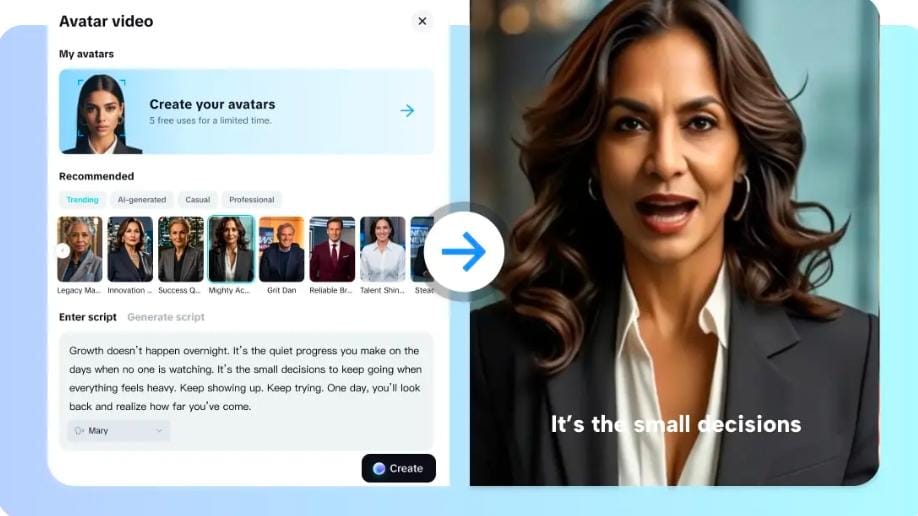
AI-generated avatars provide another option for video creators. A digital presenter can deliver information without requiring the creator to record themselves for every video.
This can be useful for tutorials, internal training, educational explanations, and informational content. Creators can prepare a script and use an avatar-based presentation when appearing on camera is impractical.
However, human review remains important. Voice delivery, pronunciation, facial expressions, and the accuracy of the information should all be checked before publication, particularly when the video is intended for professional or educational purposes.
Automated Storyboarding Saves Time
Storyboarding is an important part of video production because it determines how an idea will be translated into individual scenes. Creating a storyboard manually can take considerable time, especially for longer projects.
AI-assisted storyboarding can organize a script into logical sections and suggest how different parts of the story might be presented visually. This gives creators a starting framework that they can refine.
The biggest advantage is not necessarily that the AI creates a perfect storyboard immediately. Instead, it can provide a useful first draft, reducing the amount of repetitive planning involved.
Templates and Consistent Production
Templates can also make AI-assisted video creation more practical. A template establishes a basic visual structure, allowing creators to maintain consistency across multiple pieces of content.
For example, a business producing weekly educational videos may want similar opening screens, typography, transitions, and layouts. Rather than recreating those elements every time, a reusable template can provide a consistent foundation.
AI video platforms can combine templates with automated generation, making it easier to produce variations while maintaining a recognizable visual identity.
Where AI Video Tools Fit Into the Creative Process
AI does not eliminate the importance of creativity. In many cases, it changes where human effort is spent. Instead of manually completing every technical task, creators can spend more time developing strong concepts, checking facts, improving scripts, and deciding what will resonate with their audience.
A sensible workflow might begin with human research and writing, followed by AI-assisted scene generation and editing. The creator then reviews the output, corrects mistakes, adjusts pacing, and makes final decisions before publishing.
This balance is important because generated content can still contain inaccuracies, awkward visual details, or interpretations that do not match the original intention.
The Future of AI-Assisted Video
As AI video technology continues to develop, the distinction between traditional editing software and automated content-generation platforms is likely to become less pronounced. More production tasks may become connected within a single workflow, from script development and storyboarding to visual generation and final editing.
For creators, the main benefit is greater flexibility. Someone with a simple concept may be able to develop a polished starting point without extensive technical knowledge, while experienced editors can use AI to accelerate repetitive production tasks.
Ultimately, the most effective approach is likely to combine automation with human creativity. AI can provide speed, structure, and production assistance, but thoughtful storytelling, accurate information, and a clear understanding of the audience remain essential. As technologies such as Seedance 2.5 continue evolving, they are likely to become increasingly useful tools within the broader digital video creation process.


Leave a Reply