

Every Loss, New Choice: The Beginner Mindset in Peryagame
A single losing round in a Peryagame color match often leads to a fast decision: switch to another color. New players who picked red may jump to blue right away, then try green if blue misses, and keep rotating after every setback. After several losses, the process can feel less like ordinary guessing and more like searching for a hidden “correct” option.
Among beginners, the habit is common because losing creates discomfort and urgency. Changing the next pick feels like taking action instead of staying stuck. The downside appears when switching becomes driven by emotion—especially when the player is focused on getting back what was lost—rather than by understanding how the game works.
Why Losing Triggers a Switch
Picture Carlo joining a perya color game. He selects red and loses. The immediate interpretation is simple: red must have been the wrong choice. In the following round he goes with blue, but blue fails as well. Now he starts thinking green might finally hit. If green loses too, he changes again.
The pattern shows how many first-time players process results: every loss is treated like a message that the next move must be different. But a previous losing round does not automatically contain information about the next outcome. The drive to switch is mainly psychological. It creates a brief sense of control in a situation where uncertainty is part of the format.
“It’s Due” Thinking and the Gambler’s Fallacy
One of the most common mistakes behind constant switching is the belief that a result becomes more likely simply because it hasn’t appeared recently. If a short history looks like this:
Red → Blue → Red → Red
a beginner may decide: blue has been missing too long, so blue should be next. That conclusion feels reasonable, but it doesn’t logically follow. A short streak doesn’t guarantee a correction, and missing outcomes are not automatically “owed” to appear.
GameZone’s Color Game guidance emphasizes chance-based results and warns against treating earlier outcomes as dependable predictors of future rounds. Many beginners fall into the trap of reading meaning into sequences, even when those sequences are simply records of what already happened.
A Practical Mindset Shift After a Loss
Instead of letting a losing round dictate the next action, a better reset question is:
“What does this result actually prove?”
It confirms only what happened in that round. It doesn’t prove the chosen color is “bad,” and it doesn’t confirm another color is “better.” Keeping that boundary clear helps prevent one loss from influencing a chain of impulsive decisions.
Why Constant Switching Feels “Smart”
Switching picks creates activity, and activity can feel like strategy. Beginners often build a loop:
- Red didn’t work → choose blue
- Blue didn’t work → choose green
- Green didn’t work → return to red
Even without evidence that switching improves odds, the brain can treat frequent changes as analysis. This effect becomes stronger when players search for tips like how to win in color game or color game tricks, because structured methods—especially complicated ones—can feel more convincing than admitting outcomes still rely on chance.
But a more detailed system doesn’t automatically increase control. Sometimes it only increases confidence in a pattern that isn’t truly predictive.
How Losses Shift Risk, Not Just Color Choices
Another beginner change happens after losing: betting behavior can escalate. Carlo may start with a small budget and an intention to stop early. After taking a loss, the thought changes to: one win can bring it all back. He increases his next stake.
At that point, the issue goes beyond switching colors. The bigger shift is in risk tolerance, driven by the emotional impact of losing. PAGCOR and GameZone responsible-gaming guidance highlight practices such as setting limits for time and money, expecting losses as part of play, and avoiding attempts to chase losses.
Separating the Next Pick From the Need to Recover
A useful self-check before choosing again:
“Would I pick this same color if I hadn’t just lost?”
If the answer is no, the decision is more likely reactive than planned. That doesn’t mean every change is automatically wrong. It means the reason for switching matters. A calm adjustment is different from a pressured move made to erase a loss.
When Switching Starts Creating Bigger Risks
The act of changing from one color to another isn’t the main danger. Risk grows when switching leads to frustration, longer sessions, or higher spending. These are common beginner patterns and the problems they can create:
- Switching after every loss can lead to emotional choices based on the belief a color is now “unlucky.”
- Raising stakes after losing can turn into loss chasing, where recovery becomes the main goal.
- Repeated switching under pressure can build frustration and impulsive play.
- Over-focusing on recent sequences can reinforce gambler’s fallacy, treating patterns as forecasts.
The bigger concern is not whether a player chooses red, blue, or green—it’s whether the switching cycle changes behavior in ways that break planned limits.
Traditional Perya Habits and Faster Online Play
For many Filipinos who grew up around traditional Pinoy perya booths, switching after a disappointing round feels natural. In physical setups, players watch outcomes, react to what they just saw, and try something different. That habit can carry easily into digital versions.
Online play can speed up the cycle. Instead of waiting at a booth, a player can enter the next round instantly. Faster rounds can make it easier to keep switching, keep betting, and keep going without a pause—making pre-set limits even more important.
GameZone and Access Reminders
In this context, GameZone, GameZone online, GameZone casino, Game Zone, and GZone refer to the same GameZone entity. PAGCOR’s January 29, 2026 regulatory list identifies Total Gamezone Xtreme Incorporated (TGXI) and the Gamezone brand, with registered domains that include gamezone.ph and gzone.ph.
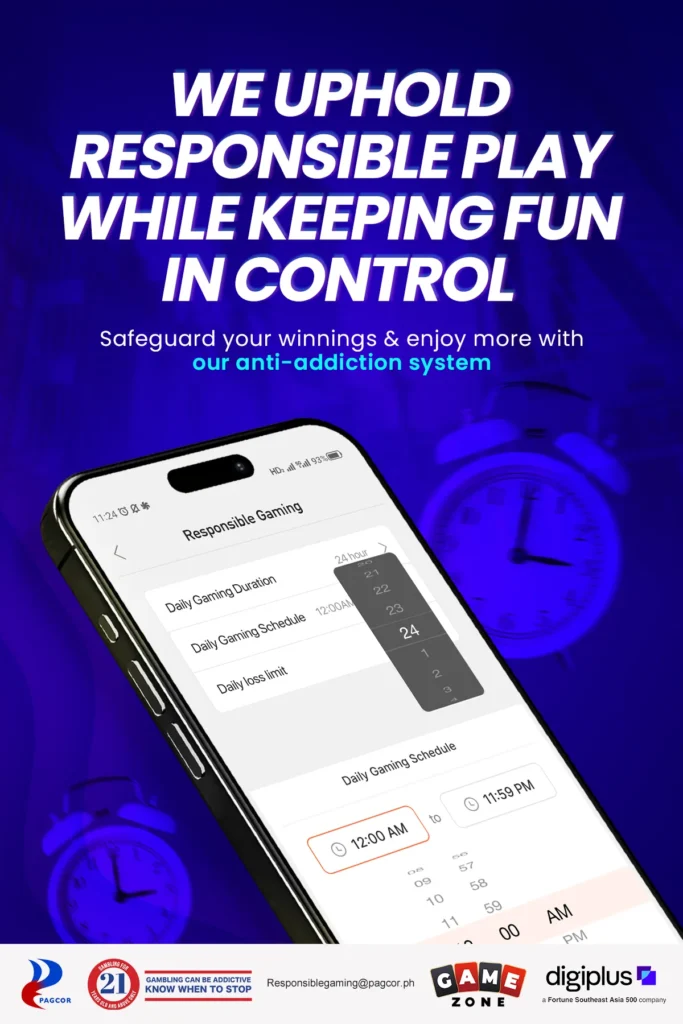
GameZone features in-house Filipino digital games such as Tongits, Pusoy, and Pusoy Dos, along with slot titles from Jili and bingo content from other recognized developers.
PAGCOR responsible-gaming guidance also states that individuals under 21 years old are not permitted to play. Eligible adults are advised to use the official GameZone website and follow current registration or access instructions, avoiding unofficial APK files and unfamiliar links. Since availability and procedures may change, checking official information before joining remains the safer approach.
A More Stable Beginner Routine After Losing
A simple pause routine can help beginners avoid the switch-and-chase cycle:
- Stop briefly after a loss.
- Prevent frustration from choosing the next action.
- Return to the original plan, including time and spending limits.
- Separate observation from prediction, treating the last outcome as history, not guidance.
Continuing is optional. Switching colors is optional. Chasing losses is a different behavior with higher risk. Beginners tend to improve not by finding a perfect sequence, but by staying within limits and keeping decisions calm, even after a losing streak.


Leave a Reply