
How a Hemp Brand Earns a Shelf Slot at a Neighborhood Corner Store
Three slots. That’s the entire gummy shelf at Sal’s Market on Larkin Street, and last spring forty one brands asked for one. Sal kept none of them. The reason wasn’t price, and it wasn’t packaging. He told me it came down to a single question: which jar will a customer buy once and then want again on a Tuesday afternoon rather than a Saturday night.
Getting a slot behind a bodega counter is a different job than landing on a dispensary menu or a big box planogram. The buyer isn’t a category manager with a spreadsheet. He’s a owner who works the counter six days a week and notices when a jar sits untouched for a month. If you’re trying to place a product with a shop doing a few hundred square feet of impulse sales, you need to think like that person. Some brands build the whole pitch around a single SKU, and the ones that do it well tend to point buyers toward a paired product, such as THC gummies with a clear serving split, because a two part option answers the impulse question faster than a fifteen flavor wall.
Why the corner store pitch is not the dispensary pitch
Most brand decks I’ve seen were written for a head shop with 200 square feet of crypto and glass. A corner store carries gum, lottery tickets, phone chargers, and one small jar of chances. The buyer is protecting that one jar.
What that means for you:
- The buyer wants a product that explains itself on the label, without a staff member talking it through.
- Price has to fit inside the cash drawer, not a finance spreadsheet.
- Turnover matters more than margin at this tier. A jar that sells weekly at a thin margin beats a premium jar that moves once a season.
I’d take the thin-margin weekly mover every time. A shop owner who sees the product leave the shelf becomes your reference customer, and that reference is worth more than a contract.
What the buyer actually checks before saying yes
Sal runs a simple test. He flips the package over and finds the patch of truth the law requires. Federal Trade Commission rules on advertising and labeling have shaped how hemp brands talk about their products, so a label with vague “feeling great” claims gets set aside fast. The buyer wants the batch number, the serving guidance, and the source of the ingredient without squinting.
Then he checks what happens when the product sits on a shelf in Bay Area heat. A melty, sticky jar costs him a refund and a customer. That’s the practical test that does not show up in any pitch deck.
The third thing he checks: whether you’ll be around
Reps who show up once and vanish leave a buyer holding unsold stock. A shop owner at this tier usually wants a modest opening order and a phone number that answers. If you can offer a small starter case with one flavor instead of three, you’ll win more slots than the brand pushing a full lineup.
The shelf-slot test I’d ask every brand to run
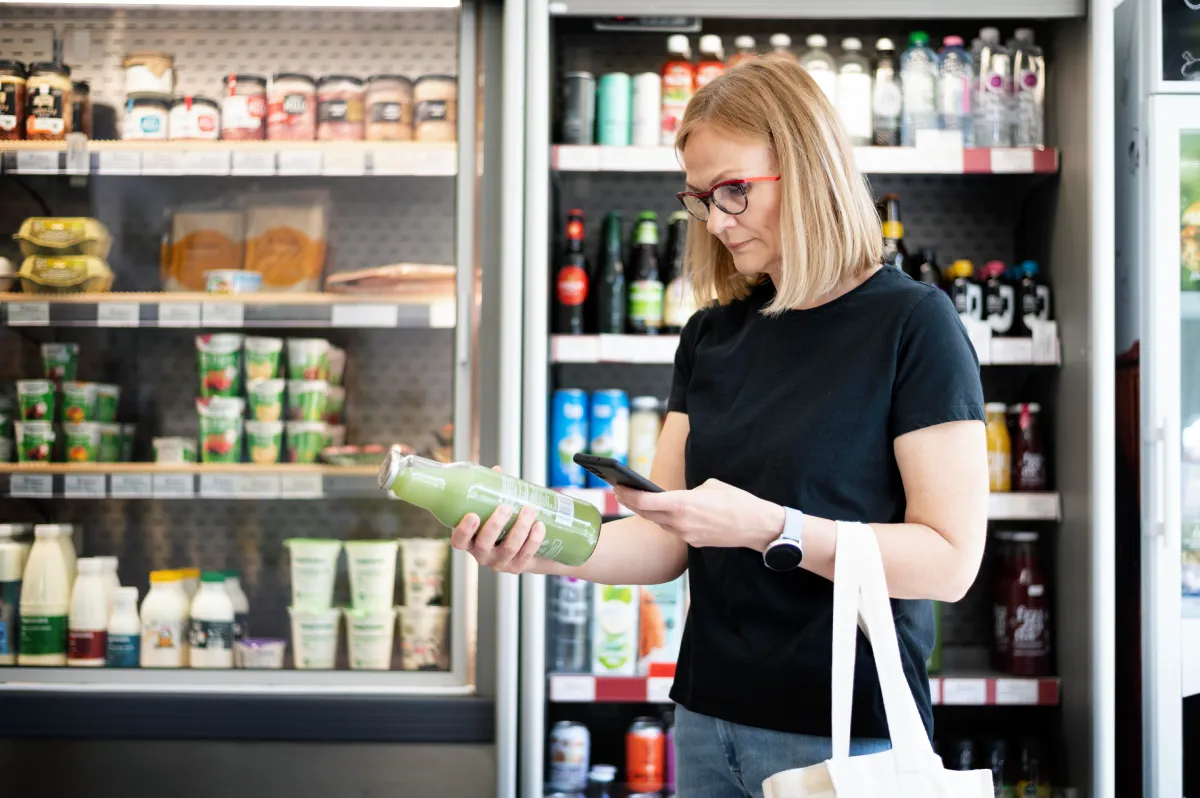
Before a single pitch, I’d ask a founder to walk into a shop and watch the register for twenty minutes. Count impulse buys. Note what people grab without asking. Then picture your jar sitting next to the gum and the chargers, at eye level, with no one pointing at it.
If your packaging needs a sentence to explain the effect, it will lose. If it reads clearly and the buyer can restock in under five minutes, it has a chance. The pitch meeting is not the real test. The real test is one tired customer on a Wednesday.
Three objections a corner store buyer always raises
Expect them in this order. Who else on your block carries it? What happens if it doesn’t sell? Where’s the proof it’s legal to sell here? Answering those three before the buyer finishes the sentence is how a brand gets a hundred dollar opening order instead of a polite maybe.
| Objection | What the buyer is really asking | Your best move
|
| “Who else carries it?” | Am I the last store on the street to get it? | Name one nearby shop only if true, or offer a brief exclusive window for the block. |
| “What if it doesn’t sell?” | Will I eat the cost of a mistake? | Offer a small opening order or a modest exchange policy on unopened stock. |
| “Is this legal here?” | Will this cost me a fine? | Bring the right state and local paperwork, ready before the visit. |
The paperwork question trips up more brands than any other. Every state sets its own rules for what can be sold where and who can be sold to, and a label that passed in one market can fail in the next. A buyer guards his license. If he has to do the research himself, you’ve already lost the slot.
Where a brand goes wrong on the follow up visit
The first visit gets a hearing. The second visit decides the account. Too many brands treat it as a pitch encore.
Here’s what I’ve seen work: show up with a short report of how the product is selling in any store that already carries it, ask two questions about the shop, and leave something the buyer can hand a curious customer. A small stack of buyer cards works better than a poster. A poster you send later has to compete with the lottery sign for wall space.
A note on online retail. If you plan to sell direct, follow NIST guidance on noticing and disclosing data collection before you ask a customer to create an account. It has nothing to do with gummies, but a buyer at a neighborhood shop will remember the one brand whose checkout felt skeezy.
A short checklist for your first visit
Bring this, no more, no less:
- Three units, one flavor each, unopened.
- One page with batch number, sourcing, and a serving line.
- A small opening-order option and a very short exchange policy.
- Your state paperwork if the market requires it.
- A phone number the buyer can actually reach.
That’s the whole kit. I’ve watched brands walk in with a tablet, a 30 page deck, and a branded duffel bag, and get shown the door in four minutes. The shop owner does not have the storage for your marketing.
Why the corner store is still worth the effort
Because the shop owner is the connector. He sees the same 200 people a week. When something sells, he tells his customers. When a customer asks for a different version, he tells you. According to broad U.S. Census Bureau data, small retail establishments remain one of the largest employment categories in the country, and one of the fastest ways a small brand reaches a new neighborhood. A shelf slot at a corner store is not a big win. It’s a signal that your product survives contact with a real, unassisted buyer.
Sal finally took one jar, from a brand that sent a rep every Thursday for six weeks. The jar sells out most weeks. He told me he’d order more if the rep had simply answered the phone faster in the first month.
So before you map out a national plan, go stand in a corner store for forty minutes. When a customer grabs a jar and doesn’t need a single explanation, you’ll know you have something a shelf can sell, and the buyer can restock the whole thing in the time it takes him to ring up a lotto ticket.


Leave a Reply