
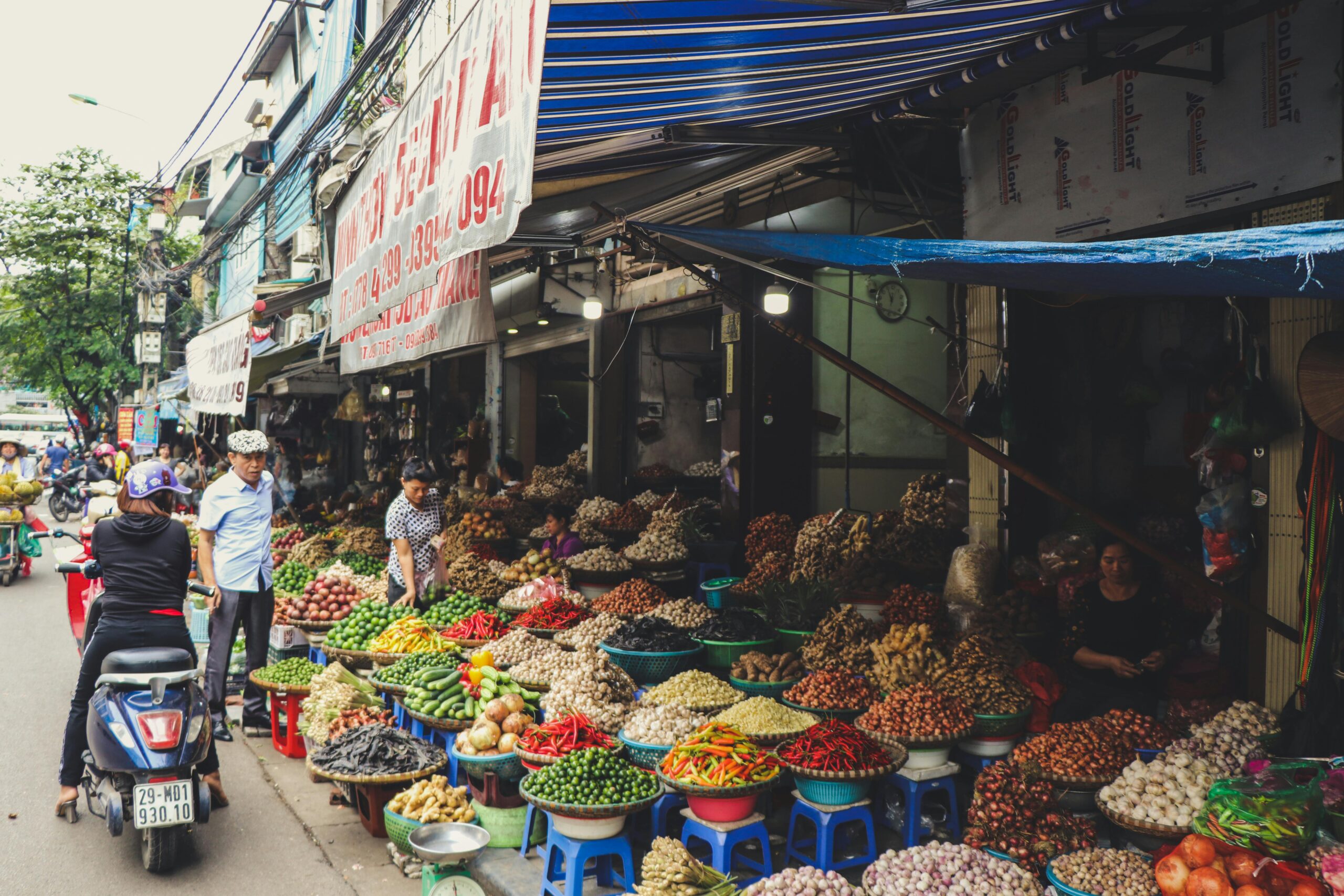
Because of fructose: Are vegetables healthier than fruit?
We should eat plenty of fresh fruit and vegetables every day, according to an important dietary recommendation. But which is healthier: fruit or vegetables – and why? What makes the perfect snack while playing Koifortune.
The World Health Organization recommends at least 400 grams of fruit and vegetables per day. The German Nutrition Society even recommends a little more: five portions of around 110 grams each, i.e. a total of 550 grams, should be eaten every day. But does it make a difference which fruit and vegetables you eat? And which is healthier?
What are fruit and vegetables?
The difference between fruit and vegetables is sometimes not so obvious. Vegetables in a salad and fruit on a cake? It’s not that simple.
In everyday life, we usually differentiate according to taste and preparation habits: fruit is sweet and is usually eaten raw, vegetables are savory and tend to be cooked. However, this classification is not entirely clear-cut: after all, cucumbers – although they are a vegetable – are usually eaten raw and sweet apples are often cooked into apple sauce.
There are other definitions:
Differentiation by plant part: For botanists, fruit comes from a fertilized flower (e.g. apple or pear). Vegetables consist of other parts of a plant, such as the leaves of spinach or the stem of asparagus. According to this definition, rhubarb would be a vegetable, while tomatoes are fruit.
Subdivision into annual and perennial plants: Fruit is a perennial plant, while vegetables are annual plants. The example of tomatoes clearly shows that the definitions are not congruent. Tomatoes – a fruit for botanists – grow on annual plants and are considered vegetables according to this definition. Asparagus and Jerusalem artichokes are perennials and would therefore be considered fruit.
There is therefore no universal definition or distinction between fruit and vegetables. It is often the combination of different approaches that results in a classification as fruit or vegetable.
Fruit and vegetables: fructose makes the difference
However, there is a difference between fruit and vegetables. That affects their health value: Compared to vegetables, fruit has a higher energy density and contains more fruit sugar (fructose). Too much fructose can increase the risk of diabetes, liver disease and cardiovascular disease.
Does this mean that fruit is unhealthy? There is a clear answer: no.
A distinction must be made between added and naturally occurring fructose. For a long time, fructose was used instead of sugar in processed foods. Fructose was used in particular in foods for diabetics because – compared to other types of sugar – it requires less insulin to be utilized by the body. In contrast, fructose is naturally present in fruit and, to a lesser extent, in vegetables.
The DGE now assumes that the naturally occurring fructose in fruit is harmless as part of a balanced diet:
“The consumption of fruit in the usual portion sizes is considered safe as part of a balanced […] diet. For the possible development of metabolic dysfunction-associated steatotic liver disease (MASLD. Formerly known as non-alcoholic fatty liver disease), excessive consumption of fruit sugar (fructose) and corn syrups containing fructose in highly processed foods and drinks […] is being discussed.”
How healthy are fruit and vegetables?
Both vegetables and fruit are important for our health. They provide many important vitamins, minerals, fiber and phytochemicals. Each variety has a different spectrum of valuable ingredients. Which is why it is advisable to vary between different varieties, colors and forms of preparation. It is not possible to say in general terms that a particular variety or category is particularly healthy.
That’s why fruit and vegetables are healthy:
Fruit and vegetables are the only natural sources of vitamin C and β-carotene (a precursor to vitamin A).
Vegetables and fruit contain fiber, which is good for digestion and can reduce the risk of fat metabolism disorders.
They provide phytochemicals that have anti-inflammatory and antibacterial effects. And probably reduce the risk of cardiovascular disease and certain types of cancer.
A high intake of fruit and vegetables is very likely to reduce the risk of various diseases. High blood pressure, coronary heart disease, stroke, cancers, dementia, obesity, type 2 diabetes, certain eye diseases, osteoporosis, lung diseases and asthma.
Different forms of preparation therefore make sense:
Raw or only briefly cooked vegetables contain more vitamins than cooked vegetables.
However, other ingredients can be better utilized from cooked vegetables. For example β-carotene from carrots or lycopene from tomatoes.
Certain vegetables such as beans, manioc, rhubarb, potatoes and elderberries must be cooked; they are inedible raw.
The skin of many types of fruit contains valuable substances. Which is why you should not peel apples, pears, apricots, peaches, plums, nectarines, grapes, figs and strawberries.


Leave a Reply