
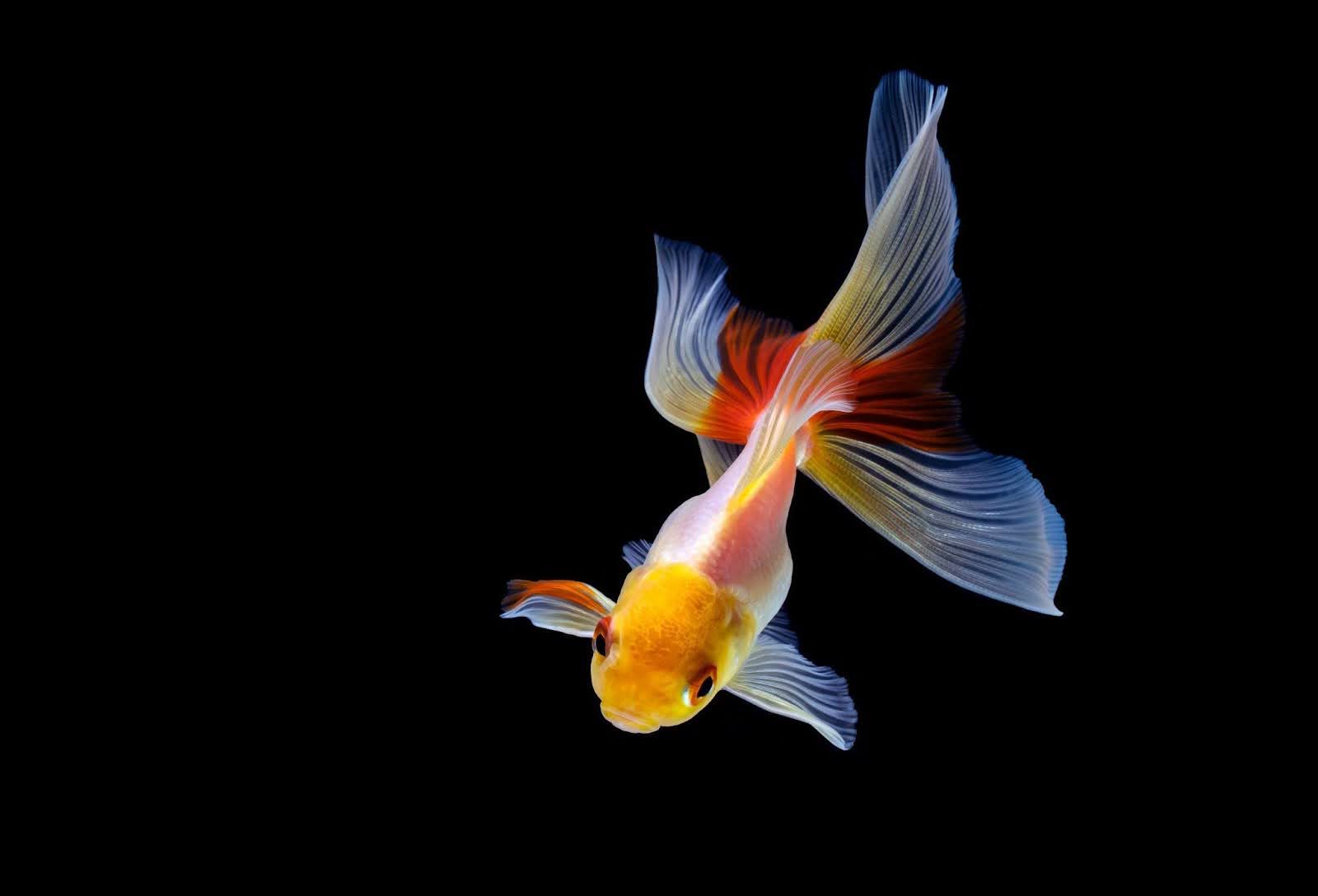
Butterfly Telescope Goldfish: A Guide to These Majestic Aquatic Creatures
Butterfly telescope goldfish are popular among aquarium enthusiasts and lovers of exotic fish. Thanks to their unique appearance and calm behavior, these graceful creatures have enchanted many people over the years. This comprehensive guide will explore this topic in depth about these lovely underwater miracles.
The butterfly telescope goldfish (Carassius auratus) is a unique type of fancy goldfish that has been cultivated through breeding programs for many generations. They have protruding eyes, a long body, and fins that resemble moving wings of butterflies.
While you’re here, you’ll learn about how these creatures began their lives, what makes them differ from others physically, and how to make sure they feel at home as pets. If you’re an experienced aquarist or just starting out in this hobby, you’ll enjoy knowing more about and loving these beautiful water worlds.
The History and Origins of Butterfly Telescope Goldfish
This breed was born as a result of fish breeding efforts in ancient China, where the domestication of goldfish has been practiced since immemorial times. It came about when there were changes in genetic makeup leading to distinct appearances.
- Early Breeding Efforts:
- Chinese first domesticated goldfish during the Tang Dynasty between 618-907 AD.
- Selective breeding was done to improve coloration patterns and body shapes.
- Deformities such as pop-eye and elongated body types were favored mutations.
- Emergence of Telescope Goldfish:
- The term “telescope” has been used since the late 18th century to refer to one kind that has prominent eye bulbs together with an elongated body shape.
- These variations attracted the attention of collectors and breeders everywhere.
- Development of Butterfly Telescope Goldfish:
- Butterfly telescopes were bred by further selective breeding techniques.
- This species resembled the previous one but had more butterfly-like fins on its trunk.
- Asia and Europe contributed towards refining and giving a name to it.
Butterfly telescope goldfish are called that all over the world, and as such, they have been bred for centuries to produce these stunning aquatic creatures. This is why aquarists all over the world treasure the Butterfly Telescope Goldfish; it is a result of centuries of professional and passionate breeding aimed at preserving and improving this species.
Physical Characteristics of Butterfly Telescope Goldfish
The physical characteristics of butterfly telescope goldfish truly make them look quite amazing because they differ from others in some ways. What are those wonderful things on them that people often gaze at?
- Eye Protrusion:
- One thing that sets the Butterfly Telescope apart from other goldfish breeds is its large, bulgy eyes.
- These eyes appear to be too large for their heads, making this look almost scary.
- Eye protrusion could vary between different individuals.
- Elongated Body Shape:
- Butterfly telescope goldfish have an elongated body shape, which goes well with their bulging eyes.
- They have longer, slender bodies compared to many other kinds of fancy goldfish breeds.
- This shape allows for smooth water movement while swimming gracefully.
- Flowing Fins:
- The fins of a butterfly telescope goldfish are simply beautiful, looking like the delicate wings of a flying insect.
- They usually possess tail fins that are deeply forked and flowing, giving them an elegant appearance.
- Their dorsal fin, as well as anal fin in particular, tends to be elongated and flowing towards the end, thereby enhancing their beauty.
- Color Variations:
- The Butterfly Telescope Goldfish comes in various colors, though the most prevalent and stunning include:
- Calico: It is a mix of white, orange, and black patches
- Metallic: They shine with metallic shades, often accompanied by a bit of blue or red
The compelling features and graceful movements of the Butterfly Telescope Goldfish turn them into an irresistible spectacle; hence, they are highly sought-after additions to any aquarium or pond setting.
Housing and Tank Requirements for Butterfly Telescope Goldfish
For optimum health and longevity, one must ensure that his/her Butterfly Telescope Goldfish is properly housed and tanked. These delicate creatures require certain conditions for their survival. Now let us go through the main parameters of their habitat environment where they find themselves comfortable:
- Tank Size:
- A minimum size tank of 30 gallons (113 liters) would be ideal for one fish only.
- When you have another Black Moor fancy goldfish, add an extra 20 gallons (75 liters) per fish.
- Bigger tanks or ponds are preferred to allow adequate swimming space and dilution of waste products.
- Water Quality:
- Fish health entirely depends on how well your water quality is maintained.
- During regular partial water changes (25-30% weekly), old wastes get removed from the tank while fresh ones replace it.
- You need to invest in a high-quality filtration system that ensures clean and highly oxygenated water during its entire life cycle.
- Test/take measurements on your water regularly, ensuring ammonia levels, nitrite concentrations, nitrates, and pH are within the recommended range.
- Tank Decor and Substrate:
- Butterfly Telescope Goldfish are peaceful fish and, therefore, do not require many decorations or hiding spots.
- Smooth, fine-grained substrates like sand or fine gravel should be used to prevent injuries to their delicate eyes as well as fins.
- Some live plants or silk ones will do wonders towards creating a natural habitat that is also visually appealing.
- The decorations should not have sharp edges or rough surfaces which can injure the fish.
- Water Temperature and Lighting:
- Butterfly Telescope Goldfish thrive in water temperatures between 65°F and 72°F (18°C to 22°C).
- Consistent water temperature should be maintained to prevent stress and health problems.
- Provide moderate levels of illumination since all these fishes do not require intense lighting.
- Do not expose them to direct sunlight or bright artificial light, as they may become stressed, leading to algal growth.
Giving your Butterfly Telescope Goldfish a large, well-maintained tank or pond with optimal water conditions will create a thriving and eye-catching environment for their survival.
Feeding and Nutrition for Butterfly Telescope Goldfish
Your Butterfly Telescope Goldfish needs proper feeding so as to keep it healthy. These special kinds of fish require specific dietary requirements for their good health as well as bringing out their true colors. Let’s now look at how these captivating aquatic life forms feed and what they eat:
- Diet Composition:
- Being omnivorous, Butterfly Telescope Goldfish find nourishment in eating both plant-based and protein-rich foods.
- Their diet ought to be based on high-quality goldfish flake or pellet food containing essential proteins, vitamins, minerals, etc.
- For additional variety and nutrition, supplementing their diet with live or frozen foods such as brine shrimp, daphnia, and bloodworms is recommended.
- To give your fish more nutrients and fiber, provide them with vegetables such as spinach that has been boiled, zucchini, or cucumber.
- Feeding Frequency and Quantity:
- For Butterfly Telescope Goldfish, their metabolic rates are slow; hence, little food must be given to prevent obesity-related health concerns.
- Feed them a little bit at a time – only what they can eat within 2–3 minutes – once or twice per day.
- Observe their feeding habits and adjust the quantity accordingly to avoid overfeeding or underfeeding.
- Remove any uneaten food after a few minutes to keep the water quality optimum.
- Supplementation:
- Consider occasionally supplementing their diet in order to enhance the overall health and coloration of your Butterfly Telescope Goldfish. Vitamins that have been enriched with flakes are used to maintain brilliant colors and increase immune system strength.
- Disease prevention and overall well-being promotion can be enhanced by using garlic-based supplements.
- Water Quality and Feeding:
- To enable your goldfish to properly digest its food, thus absorbing nutrients from it, ensure the maintenance of excellent quality water for your Butterfly Telescope Goldfish
- Poor water quality will lead to digestive issues and stress, among other potential health problems.
- Regular water changes should be carried out while ensuring that there is proper filtration so as to keep the tank clean and well-oxygenated.
- Butterfly telescope goldfish can thrive brightly colored with graceful movements if you provide them with a balanced diet, which is also varied; coupled with the right feeding habits, they can maintain optimal water conditions.
By providing a balanced and varied diet, coupled with proper feeding practices and maintaining optimal water conditions, you can ensure that your Butterfly Telescope Goldfish thrive and display their stunning colors and graceful movements.
Common Health Issues and Care for Butterfly Telescope Goldfish
Though hardy fish species, goldfish are not resistant to some diseases if kept under poor care conditions. Therefore, having knowledge about such medical problems & preventive measures is crucial for providing better life conditions for these beautiful aquatic creatures we all love so much. Explore some popular diseases & tips of care below:
- Eye Protrusion and Injuries:
- The protruding eyes can get injured, and Butterfly Telescope Goldfish are prone to eye infections.
- Avoid using sharp decors or substrates that could scratch or damage their eyes.
- To avoid bacterial infections, maintain the water quality.
- In case of an eye injury, seek immediate veterinary attention so as to avoid complications in the future.
- Swim Bladder Disorders:
- Swim bladder disorders impair the ability of a fish to maintain buoyancy and swim normally.
- Some causes include overfeeding, constipation, and genetic predisposition.
- Adjust feeding habits, perform partial water changes, and add aquarium salt and medications if necessary.
- Bacterial and Fungal Infections:
- The poor state of water or stress can result in bacterial and fungal infections among Butterfly Telescope Goldfish. Common symptoms may include the development of white cottony growths, torn fins, or loss of appetite.
- Maintain excellent water quality; also use appropriate medications or salt baths recommended by your aquatic vet.
- Environmental Stress:
- Butterfly Telescopes are very sensitive to environmental shifts and stressful situations. Sudden fluctuations in water parameters, overcrowding, or aggressive tank mates will lead to stress and ill health.
- Provide plenty of space for them to live peacefully. Introduce new fish gradually so they can adapt on time before stressing them out.
- Regular Monitoring and Preventive Care:
- Check your Butterfly Telescope Goldfish routinely for any signs of sickness or unusual behavior. Carry out regular checks on your water and ensure it is in its best condition.
- New fish should be quarantined first before being introduced into the main tank environment, thus preventing diseases from spreading.
- Talk to an experienced aquarium expert/veterinarian if you are worried about the health of your pet; they have solutions & guidance for almost all cases.
If you are proactive and take all possible preventive measures to ensure an optimal living environment for your Butterfly Telescope Goldfish, offer them proper nutrition, and monitor them closely, then you can prevent many common health problems and a lifetime of good health.
Breeding and Reproduction of Butterfly Telescope Goldfish
Moreover, breeding Butterfly Telescope Goldfish is an interesting venture that can be done by experienced aquarists, though it requires some patience, attention to detail, and specialized knowledge; watching these wonderful animals mate and raise their young ones is truly amazing. Let’s now delve into the major areas of breeding and reproduction for these magnificent water creatures:
- Breeding Setup:
- Allocate a separate breeding Goldfish tank or pond with the right amount of water in it.
- For successful spawning, maintain water temperature at 68°F – 74°F (20°C – 23°C).
- Ensure that there are plenty of fine-leaved plants or spawning mops for the fish to deposit eggs on.
- Additionally, excellent water quality through filtration will support fry development.
- Breeding Pairs and Conditioning:
- Select healthy pairs with vibrant colors and patterns for breeding, preferably with different features such as body shapes.
- Feed the parents on a higher diet containing live or frozen food rich in proteins while increasing quantities slowly over time to condition them before the spawning season.
- To stimulate natural reproduction, increase temperature slowly over time while doing partial water changes.
- Spawning and Egg Care:
- Butterfly Telescopes usually lay eggs during the early morning hours.
- While males fertilize these eggs, females deposit them onto plant leaves or mops used specifically for this purpose”.
- After spawning, carefully remove the parents so that they do not eat up their own offspring”.
- Egg development depends on maintaining optimal water conditions with slight aeration.
- Fry Care and Rearing:
- Hatchings occur within three to seven days depending on the temperature level maintained in the water bodies surrounding such fishes’ lives”.
- Newly hatched fry should be offered special feeds or finely crushed flakes.
- This will help maintain standard water conditions for the fish by removing waste through partial water change.
- As the fry grow and develop, they can now be fed with live or frozen foods.
- Selective Breeding:
- Vibrant colors, flowing fins, and proper eye protrusion are some of the traits that should be closely looked at in selecting fry that have desirable characteristics as they mature”.
- Additionally, detailed records about individual fish in these groups need to be maintained so as to ensure their selective breeding, thus improving their preferred characteristics.”
Breeding Butterfly Telescope Goldfish involves commitment, patience, and deep knowledge about their requirements. By employing adequate breeding techniques and offering good care practices, you will contribute towards the continued existence of these wonderful aquatic organisms.
Popular Varieties and Colors of Butterfly Telescope Goldfish
The reason why Butterfly Telescope Goldfish became famous is because of their striking look, which comes in different color variations. These fish demonstrate spectacular patterns and intricate designs whose beauty is a sight to behold. Here are some of the most common types/colors that one can find:
- Calico Butterfly Telescope Goldfish:
- It’s an amazing type characterized by white patches covered with orange or black spots that create a stunning mosaic.
- Every single Calico looks completely different from its counterpart, making them an interesting spectacle when seen together”.
- These colors form highly contrasting patches, which makes it easy to notice the fish even from a distance”.
- These fish are black in color, so their eyes stand out, and their fins look like they are flowing.
- Their ‘eyes’ stick out, looking dark in contrast to the rest of the body, which forms an interesting juxtaposition.
- Metallic Butterfly Telescope Goldfish:
- Just as the name implies, Chocolate Butterfly Telescope Goldfish has a warm and inviting brown color that is rich like chocolate.
- The unique coloration of these long-bodied fishes with fringing tails is striking on its own.
- For their rarity and beauty, collectors and hobbyists love them.
- Black Moor Butterfly Telescope Goldfish:
- Bicolor Butterfly Telescopes typically display a mixture of white mixed with orange or even white mixed with black, which usually makes them attractive to aquarists.
- The pattern on each fish provides a striking visual effect because of the difference between these two colors.
- People love these fish because they are very bright and noticeable.
- Chocolate Butterfly Telescope Goldfish:
- Just as the name implies, Chocolate Butterfly Telescope Goldfish has a warm and inviting brown color that is rich like chocolate.
- The unique coloration of these long-bodied fishes with fringing tails is striking on its own.
- For their rarity and beauty, collectors and hobbyists love them.
- Bicolor Butterfly Telescope Goldfish:
- Bicolor Butterfly Telescopes typically display a mixture of white mixed with orange or even white mixed with black, which usually makes them attractive to aquarists.
- The pattern on each fish provides a striking visual effect because of the difference between these two colors.
- People love these fish because they are very bright and noticeable.
By following these suggestions and being diligent, you can increase your chances of choosing healthy and vibrant Butterfly Telescope Goldfish that will thrive in your aquarium or pond setup. For the long-term well-being of these alluring aquatic beauties, always remember to do proper research, prepare yourself, and take care of them properly.
Conclusion
As we conclude our exploration of the fascinating realm of Butterfly Telescope Goldfish, it becomes evident that these aquatic beings are truly mesmerizing. Their distinctive beauty captivates the eye, their lively movements are enchanting, and their graceful behavior can effortlessly win the heart of any aquarist.


Leave a Reply