

Children and Modern Technology
It’s hard to imagine today’s children without their devices. Hand them a tablet or smartphone, and before long they’ll know their way around it better than their parents. Should we trust kids with this technology, and will early exposure actually benefit them?
One major advantage of devices is the wealth of educational apps available. Parents no longer need to hunt for learning materials—a tablet can teach little ones their ABCs and numbers. These lessons are colorful and engaging, which kids love, leading to positive learning outcomes. For example, apps like AR Drawing App ArtEasy help children develop their creative abilities by learning to draw through playful augmented reality experiences.
Sometimes devices can work as an incentive or reward. Children can earn screen time or new gadgets for helping with chores or doing well in school. However, it’s important not to let device time dominate their day—outdoor play, time with friends, and extracurricular activities should all be part of the daily routine.
For parents who spend a lot of time commuting or stuck in traffic with their kids, devices can be a lifesaver for keeping children entertained. If you’re facing long waits at appointments, bring along a phone or tablet. Just make sure to download cartoons, games, or music beforehand.
When children learn to use technology from an early age, these skills may serve them well in the future. They might become photographers who professionally edit their work, or pursue careers as designers, web developers, or programmers.
Cell Phones and Children
Today, phones are used less for communication and more for entertainment. Games, music, internet access—these are what draw kids to their phones. You’ll often notice children constantly glued to their devices, carrying them everywhere. Excessive phone use can lead to addiction, and the devices themselves emit radiation.

To prevent phones from becoming addictive, parents need to monitor how much time their children spend on them. For younger kids, it’s better to provide a phone with minimal features. Quality time with parents and friends helps counteract the negative effects of phone dependence. Parental control solutions can help with this, such as the Kidsee app, which allows you to track your child’s activity and set healthy limits on device usage. Parents who are used to having their children spend most of their time at home under supervision should reconsider this parenting approach. When stuck at home, children often compensate for missing social interaction through their phones.
Television and Children
At first glance, TV doesn’t seem to negatively impact children. Often, kids are introduced to it from a very young age. Parents turn on cartoons to keep them occupied while tackling household tasks. Over time, television can crowd out other interests from a child’s life, such as sports or hobbies. Children mirror their parents’ behavior, so it’s no surprise when they spend hours in front of the screen while their parents do the same.
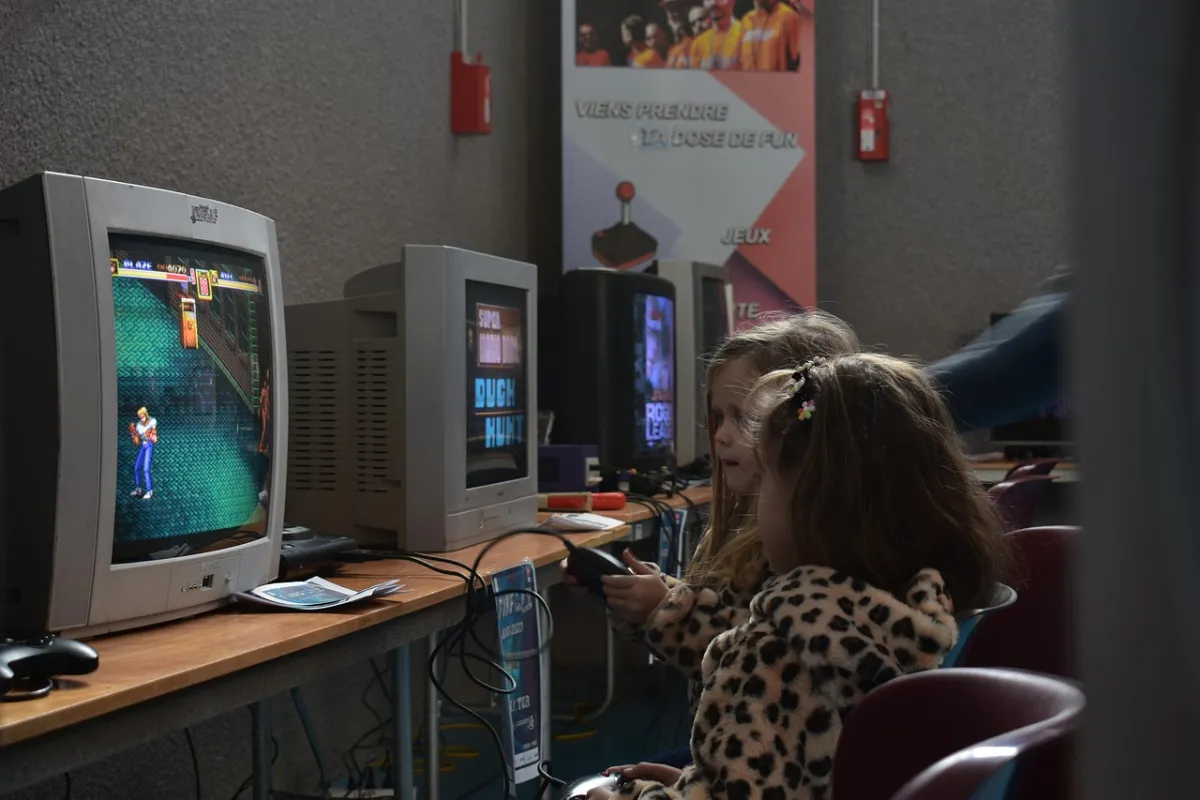
The only real antidote to constant TV watching is genuine interaction. However, if your child is already hooked, don’t ban TV abruptly. Choose specific programs together, and with older children, discuss what they’ll watch and when. Turn off the TV once the show is over. If you can’t control everything, at least try to ensure your child watches educational programming.
Computers, Tablets, Laptops and Children
Computer addiction is the most challenging and dangerous form of screen dependency. The virtual world can completely captivate a child’s attention because there they can do things they struggle with in real life. There have been numerous cases where gaming addiction led to serious consequences, sometimes even irreversible ones. Parents must limit computer time. Using parental control apps helps establish reasonable time limits and monitor what content is accessible to your child.

Various activities can help draw kids away from computers. Boys can be enrolled in sports programs. Children involved in athletics tend to be less dependent on computers. Girls are often easily engaged through arts and crafts. A child’s leisure time should be well-rounded and diverse. Face-to-face interaction and parental attention—these are the most effective ways to counter the pull of modern devices.


Leave a Reply