
Choosing The Right Radar Detector: Features That Matter
In a world where speed limits and traffic laws must be navigated judiciously, the importance of having a reliable radar detector cannot be overstated. As we set out on the journey to understand the nuances of radar detectors, we find that selecting the right one is not just about brand loyalty or slick marketing, it’s about functionality and the features that can truly enhance our driving experience.
For those of us who want clarity and confidence on the road, it’s essential to dive deep into the key aspects that make a radar detector stand out. If you’re wondering what exactly a radar detector is and how it works, check out this detailed explanation: what is a radar detector.
Understanding Radar Detectors
Radar detectors are devices designed to detect signals emitted by police radar guns. These signals are typically used to enforce speed limits, and early detection can help us avoid speeding tickets. But understanding how they work is crucial to choosing the right one. Most radar detectors operate by using radio frequency (RF) signals to identify these radar emissions. But, what varies significantly from one device to another are the technology and features involved in that detection process.
Embracing modern technology, many radar detectors now come equipped with GPS capabilities, allowing them not just to spot radar signals but also to alert us about red light cameras and speed traps in our vicinity. This added layer of information can be invaluable for us as drivers who wish to remain informed and out of trouble.
Key Features To Consider
When it comes to choosing a radar detector, there are several key features we should consider to help ensure we make a well-well-informed choice.
Performance and Sensitivity
The performance of a radar detector is critical. This includes how well it can detect radar signals from various sources, whether it’s a handheld device used by an officer or a stationary speed radar. High sensitivity means better detection range and accuracy, which can make all the difference. For instance, models using digital signal processing can filter out false alerts, these alerts are commonly generated by automatic doors or other machines that emit similar frequencies, which can be quite distracting while driving.
Also, look for radar detectors that include technology like multi-directional detection. This can help us identify signals from different angles, offering comprehensive coverage of the road ahead.
Types of Radar Detectors
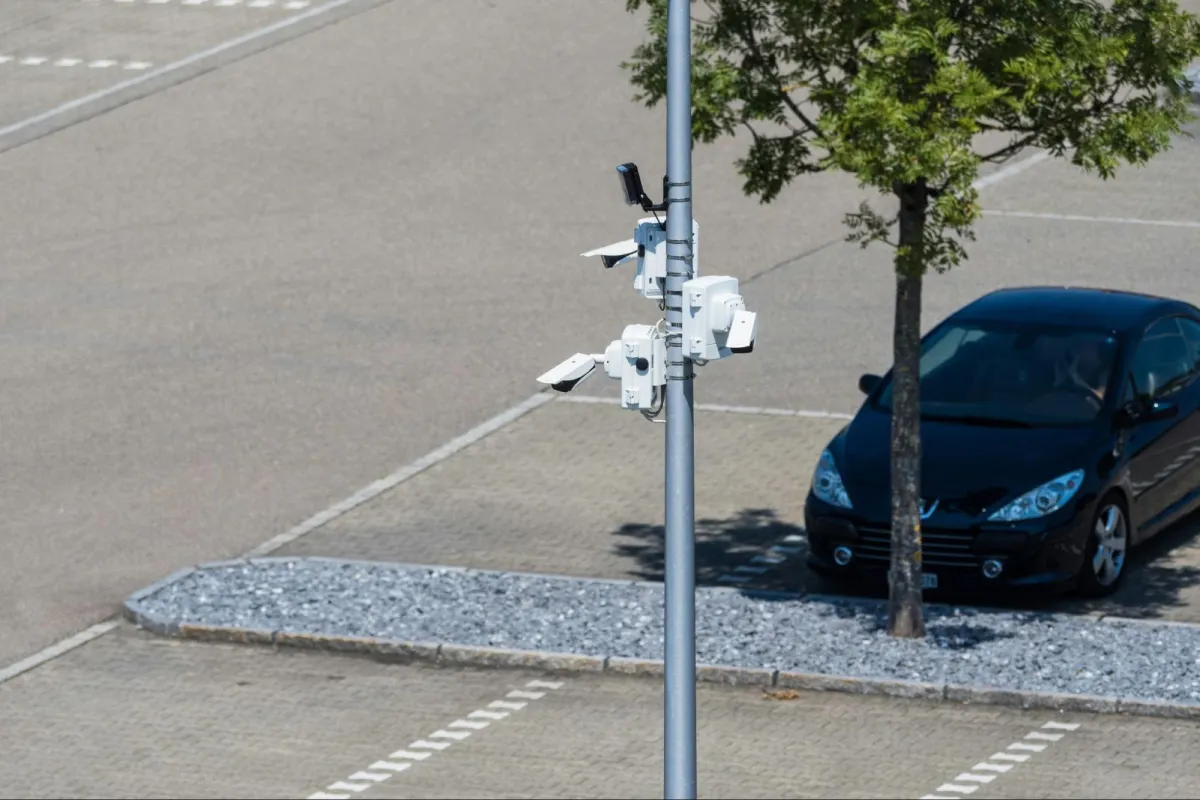
Radar detectors come in various forms, each with unique functionalities suited to different needs. Understanding these types equips us to make a more tailored choice, whether we prefer something compact and portable or a more advanced, integrated system.
Some drivers opt for handheld detectors that can easily move between vehicles, while others prefer more permanent, professionally installed units that often deliver stronger performance and cleaner dashboard aesthetics. No matter the preference, familiarizing ourselves with the available options helps ensure we choose something compatible with our driving habits, environment, and expectations.
Built-In Features and Technologies
Today’s radar detectors are often equipped with a host of built-in features. Many come with Bluetooth connectivity, allowing us to connect to a smartphone app for real-time updates and alerts. Other useful technologies include voice alerts, 360-degree detection capability, and even integration with GPS to mark where we have received alerts in the past. These features can enhance our overall experience and keep us apprised of potential dangers throughout our travels.
Users also benefit from systems that learn over time, reducing false alerts by recognizing regular driving patterns. This combination of intuitive design and smart technology is what makes modern radar detectors feel more like a co-pilot rather than just another piece of hardware in the vehicle.
Mounting Options and Portability
The ease of mounting and portability are practical considerations when selecting a radar detector. Some detectors are designed to be hard-wired into our vehicles, which can provide a cleaner look and reduce the chance of theft. But, portable devices allow for flexibility, especially if we switch vehicles often.
User Experience and Customization
Many modern radar detectors come with customization options that enhance user experience. These include adjustable sensitivity levels for different driving scenarios or the ability to mute false alerts. As drivers, we appreciate the ability to tailor the device to our preferences, ensuring optimal performance based on our driving habits and routines.
Budget and Value Considerations
When it comes to radar detectors, balancing budget and value is essential. While it can be tempting to go for the cheapest option, investing in a higher-quality detector often translates into better performance, more features, and increased reliability. We should assess which features are essential for our specific needs.
Many reputable brands offer models at various price points, ensuring that there’s something for everyone. Remember, the goal is to find a radar detector that offers the best return on investment, one that helps us avoid costly speeding fines while enhancing our driving safety. Also, checking out established authority sites like Consumer Reports can provide valuable insights and comparisons as we navigate our choices.


Leave a Reply