

Crafting an Effective Digital Marketing Plan: Strategies to Maximize ROI for Clients
It’s easy to get caught up in flashy ads and viral campaigns. But the truth is, if you’re not seeing a real return on your investment (ROI) — all that effort is just a waste of time and money. After all, the goal of marketing is to grow your business, right?
But how do you know if your digital marketing efforts are actually paying off? Well, to find out, you need a well-crafted digital marketing plan that helps you define clear objectives, strategize effectively, and track your progress to ensure you’re getting the most out of your marketing budget.
So, today, we’re going to dive into the steps to create a plan that not only delivers results but also maximizes your ROI, so you can see real growth for your clients.
First Off, Set Clear Goals and Objectives
Before diving into the nitty-gritty of your digital marketing plan, you need to know where you’re headed.
Noam Friedman, CMO of Tradeit.gg, says, “Setting clear goals and objectives gives you a clear direction and helps you stay focused.”
SMART Goals
You’ve probably heard of SMART goals before, but they’re worth repeating because they’re the foundation of a solid plan. Alison Lancaster, CEO of Pressat.co.uk, adds, “SMART stands for.
- Specific: Your goals should be clear and well-defined. Instead of “increase website traffic,” try “increase website traffic by 15% in the next quarter.”
- Measurable: Make sure you can track your progress. Use specific metrics like website visits, social media engagement, or leads generated.
- Achievable: Set goals that are realistic and attainable within your resources and timeframe.
- Relevant: Your goals should align with your overall business objectives and your client’s needs.
- Time-bound: Set a deadline for achieving your goals to create a sense of urgency and keep you on track.”
Let’s take an example of Porch.com, a platform connecting homeowners with home improvement professionals.
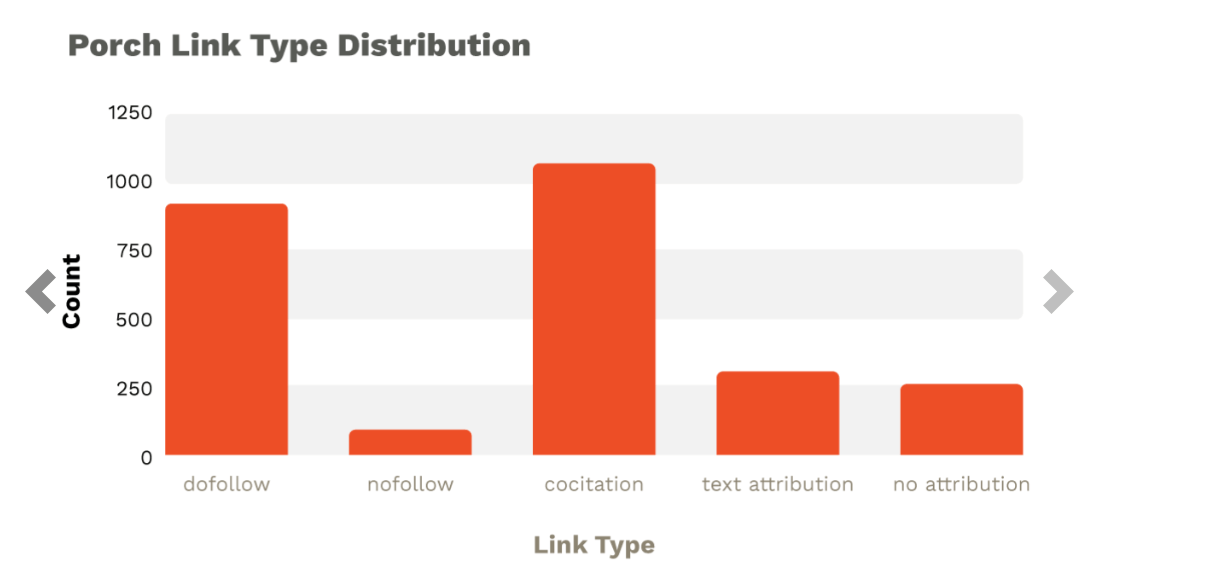
Image Source: Fractl
They wanted to boost brand awareness and drive organic traffic. Their strategy was to create data-driven content like articles, infographics, and interactive tools that provided valuable insights on home-related topics.
They actively pitched this content to journalists and bloggers, securing coverage in major publications, and promoted it on social media. This targeted approach not only established them as a trusted resource but also significantly increased their brand visibility and website traffic.
By following the SMART framework and taking inspiration from Porch.com’s success, you can develop a clear and actionable plan to achieve your dropshipping goals.
Client Expectations
Before you start planning, have an honest conversation with your client about their expectations. What do they hope to achieve with their digital marketing efforts? What are their priorities? What kind of budget are they working with? Make sure you understand their needs and concerns so you can tailor your plan accordingly, adds Idan Avitan, CEO of Growee.
Key Performance Indicators (KPIs)
KPIs are the specific metrics you’ll track to measure the success of your digital marketing efforts, said Adam Fard, Founder & Head of Design at Adam Fard UX Agency. Different channels require different KPIs. Here are some examples.
- Website: Traffic, bounce rate, time on site, conversion rate
- SEO: Organic search traffic, keyword rankings, backlinks
- PPC: Click-through rate (CTR), conversion rate, cost per click (CPC)
- Social Media: Engagement (likes, shares, comments), reach, follower growth
- Email Marketing: Open rate, click-through rate, unsubscribe rate
David Martinez, VP Enterprise & OEM Accounts at Cybernet Manufacturing, says, “By tracking these KPIs, you can see what’s working and what’s not, allowing you to make data-driven decisions to optimize your campaigns for maximum ROI.”
Setting Goals in Action
Let’s say you’re working with a local boutique that wants to increase online sales. In an interview Robbin Schuchmann, Co-Founder of Employ Borderless, said, “Follow these steps for setting some SMART goals.
- Specific: Increase online sales by 20% in the next six months.
- Measurable: Track online sales revenue and conversion rate.
- Achievable: Analyze past data and set a realistic target based on historical trends and available resources.
- Relevant: This goal directly aligns with the client’s desire to grow their business and increase revenue.
- Time-bound: The deadline of six months creates a clear timeframe for achieving the goal.”
Developing a Comprehensive Digital Marketing Strategy
Now that you’ve got a handle on your goals and your target audience, it’s time to build your digital marketing battle plan. Whether you’re launching a new campaign or improving your Customer Training LMS, there’s no one-size-fits-all solution. We’ll explore various approaches and how they fit into the bigger picture.
Content Marketing
David Salib, CEO of MINVO, adds, “Think of content marketing as providing valuable information that your potential customers will actually enjoy. It’s not just about selling — it’s about educating, entertaining, or inspiring your audience.” This could be.
- Blog posts that share tips or insights related to your industry.
- Engaging videos that showcase your products in action.
- Informative infographics that break down complex topics into bite-sized visuals.
- Social media posts that spark conversation or offer a behind-the-scenes look at your business.
The key is to create content that your target audience finds valuable and relevant to their interests. William Westerlund, Marketing Manager at Suptask, said, “When you consistently deliver quality content, you build trust and establish your brand as a go-to resource.”
Search Engine Optimization (SEO)
Soledad Galli, Founder of Train In Data, shares, “SEO is all about making it easy for search engines like Google to understand what your website is about so they show it to the right people. It involves using the right keywords (the words people use to search), optimizing your website structure, and getting other websites to link to yours.”
“SEO is a long-term game, but it’s worth it. When your website shows up higher in search results, you get more free traffic from people actively looking for what you offer. It’s like having a 24/7 salesperson working for you without costing you a dime,” share Ira Prevalova, Growth Marketing Director at Adverity.
Pay-Per-Click (PPC) Advertising
While SEO takes time, PPC advertising offers a faster way to get your website in front of potential customers. It involves paying for your website to appear at the top of search results or on other websites relevant to your industry. You only pay when someone actually clicks on your ad, hence the name pay-per-click, adds Khashayar Shahnazari, Chief Executive Officer at FinlyWealth.
PPC is a great option for quickly driving traffic to your site and testing out different keywords or ad copy. But it’s important to set a budget and monitor your campaigns closely to make sure you’re getting a good return on your investment.
For example, Rozum Robotics, a company specializing in robotic arms, wanted to boost brand awareness and generate leads for their new product, Rozum Café.
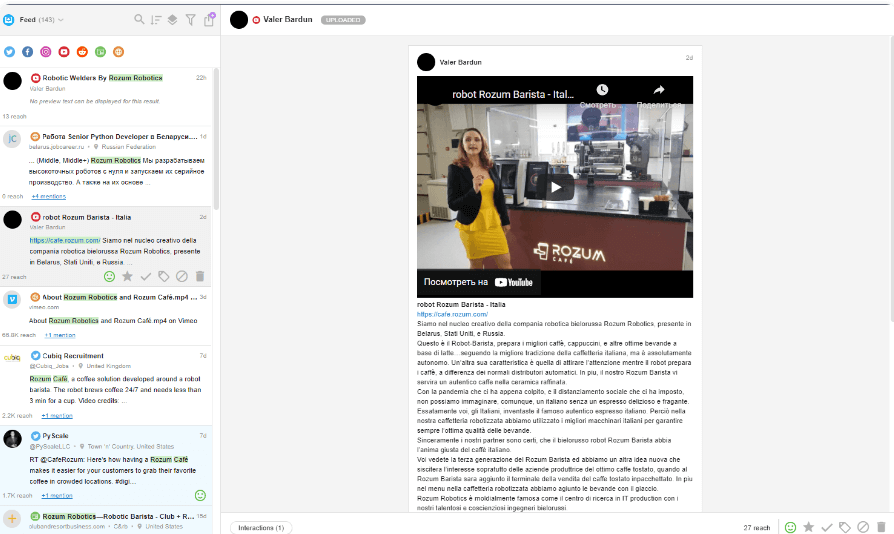
Image Source: Awario
They turned to social listening tools to track media mentions and identify new target audiences, such as food and beverage manufacturers.
By analyzing their competitors’ strategies and engaging with relevant journalists and bloggers, Rozum Robotics saw a significant improvement in the quality of their leads and a deeper understanding of their market.
Social Media Marketing
Sumeer Kaur, Founder of Lehenga, shares, “Nowadays, Social media is everything. It’s where people connect with friends, share their interests, and discover new brands. By creating engaging content and building a community around your brand on platforms like Facebook, Instagram, Twitter, or LinkedIn, you can reach your target audience where they’re already spending their time.”
Social media isn’t just about posting pretty pictures; it’s about interacting with your audience, answering questions, and building relationships. Gerrid Smith, CMO of Joy Organics, adds, “You can also use paid social media advertising to reach a wider audience or promote specific products or offers.”
Email Marketing
Don’t underestimate the power of email! It’s a direct line of communication with your audience, allowing you to nurture leads, announce promotions, share updates, and build relationships, says Indie Basi, Director of WadeSupplies.
Start by building an email list (through sign-up forms on your website or social media), then create targeted email campaigns that speak directly to your customers’ interests and needs.
Measuring and Analyzing Results
Here’s how you can measure & analyze your results.
Tracking and Analytics Tools
Thankfully, you don’t need a magnifying glass to track your digital marketing progress. There are a ton of tools that can do the heavy lifting for you — spitting out data that tells you what’s working and what’s not. Here are a few essentials.
Google Analytics
Martin Seeley, CEO of Mattress Next Day, says, “Google Analytics is your all-in-one website tracker. It tells you where your visitors are coming from (social media, search engines, etc.), how long they’re staying on your site, and what pages they’re looking at. You can even track how many people are buying stuff or signing up for your email list.”
Social Media Analytics
Most social platforms, like G2Vape, have their own analytics tools that give you insights into your followers, engagement rates, and the reach of your posts.
Take Mint Mobile, for example. They were a newcomer in the mobile carrier market, facing stiff competition from established giants. With a limited budget, they needed a high-impact, low-cost strategy.
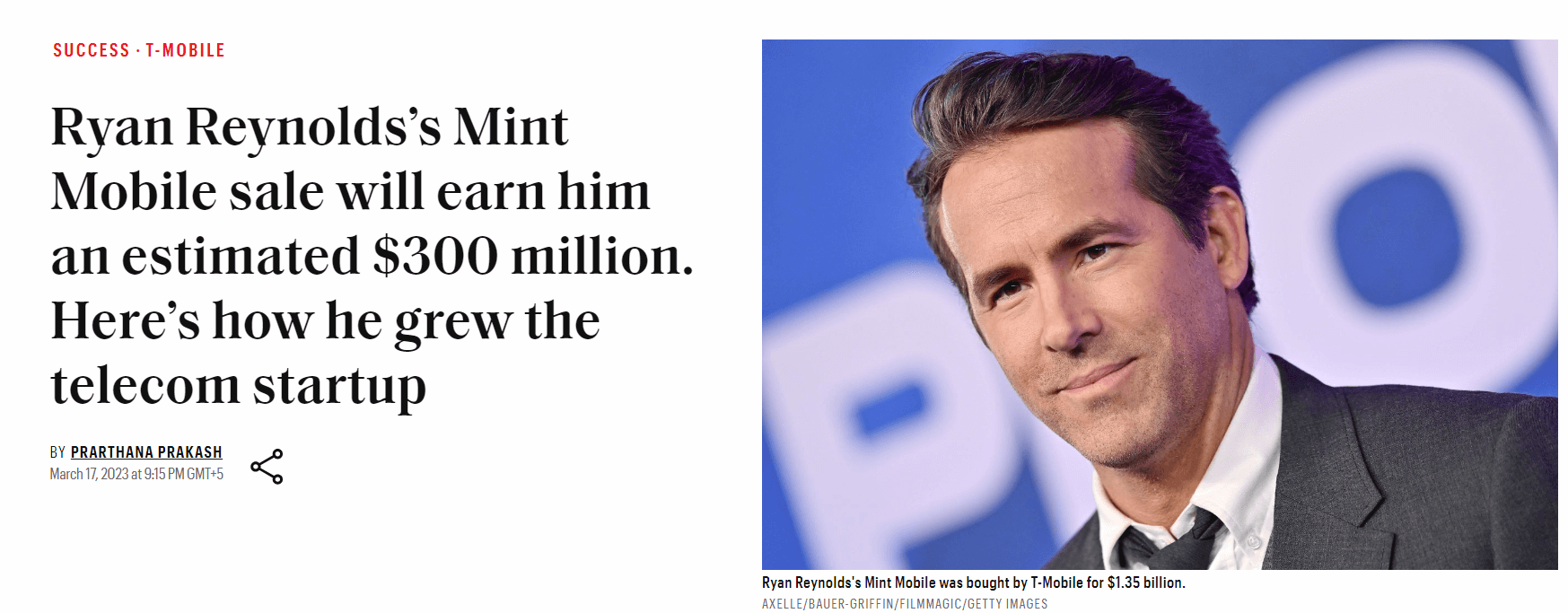
Image Source: Fortune
They turned to social media, injecting humor and transparency into their campaigns. They partnered with Ryan Reynolds, their co-owner, to create witty ads that poked fun at traditional mobile carriers. They engaged directly with customers, responding to comments and questions with relatable humor.
They also leveraged user-generated content and ran targeted ads to create buzz and reach specific demographics.
So what’s the results they got?
They saw a good growth in their social media following, increased brand awareness, and a significant boost in website traffic and sales. Their social media strategy proved that sometimes, thinking outside the box and connecting with your audience in a genuine way can yield incredible results.
Email Marketing Platforms
If you’re using email marketing, your platform (like Mailchimp or Klaviyo) will provide you with stats on open rates, click-through rates, and how many people are taking action from your emails, adds Josh Pather, Founder of Photo Booth International.
Analyzing Your Data
Once you’ve collected your data, it’s time to make sense of it all. Don’t just look at the numbers — look for the story they’re telling you. For example.
- If your website traffic is high, but your conversion rate is low, it might mean people aren’t finding what they’re looking for on your site or that your checkout process is too complicated, adds Mateusz Mazurek, Founder at Prehost.
- If your social media posts get a lot of likes but not many clicks, it could mean your content is engaging but not driving people to take action.
- If your emails have a high open rate but a low click-through rate, it might mean your subject lines are great, but your email content isn’t compelling enough.
By analyzing your data, you can identify your strengths and weaknesses and make informed decisions about where to focus your efforts.
Reporting to Clients
If you’re working with clients, regular reporting is essential. It shows them that you’re on top of things and that their marketing dollars are being put to good use. Your reports should be clear, concise, and easy to understand, even for someone who’s not a marketing expert, said Rasmus Adeltoft, Business Owner of Lenspricer.
Here are some key elements to include.
- A summary of your goals and objectives
- Key performance indicators (KPIs) and how they’ve changed over time
- An overview of your activities across different channels (content, SEO, PPC, social media, email)
- A clear analysis of the results, including what’s working well and what needs improvement
- Actionable recommendations for the next steps.
Conclusion
A well-thought-out digital marketing plan is key to success. By setting clear goals, understanding your target audience, and using a mix of strategies like content, SEO, and social media, you get the most out of your marketing efforts.
So, by following the tips I’ve shared above, you can create a digital marketing plan that not only brings in more customers but also delivers a solid return on investment. Your clients will thank you, and so will your bottom line!


Leave a Reply