
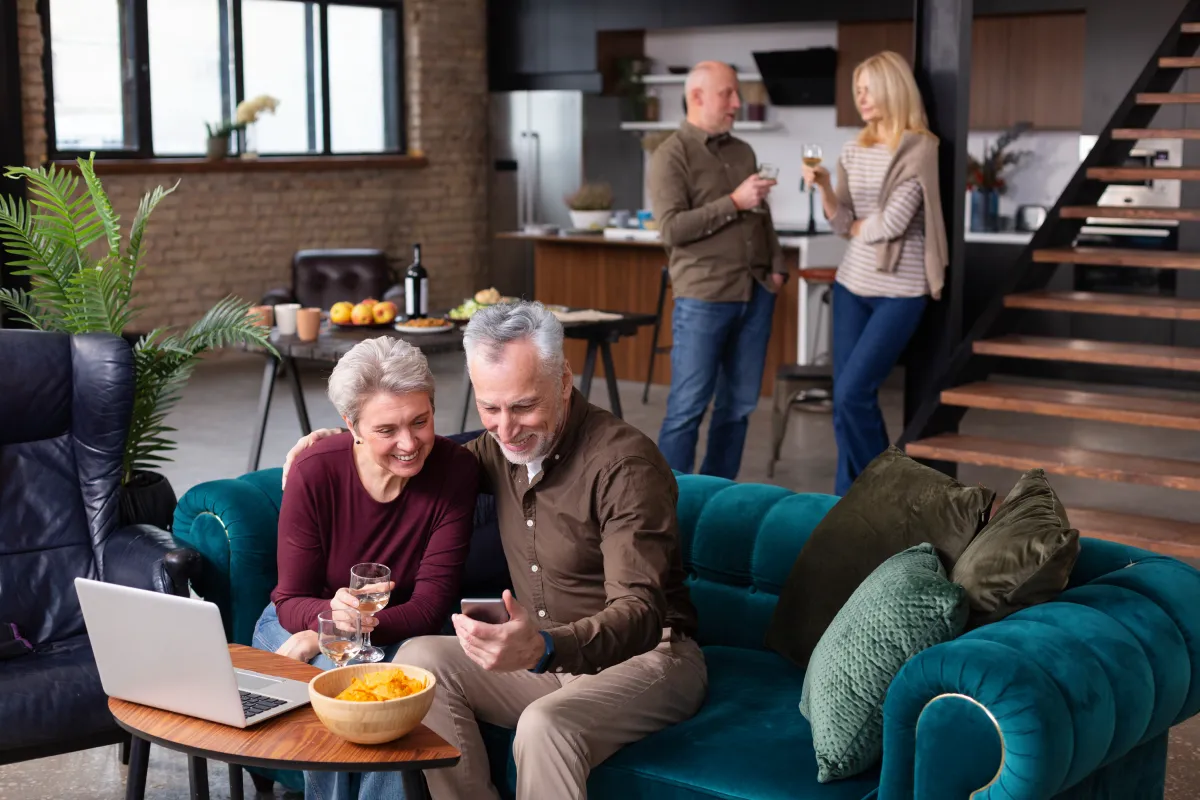
Creating Comfortable Living Spaces for Aging Loved Ones
When Home Becomes the Care Centre
The decision often comes suddenly. A parent has a fall. A spouse receives a difficult diagnosis. A loved one’s independence begins to slip in ways that can no longer be ignored.
For millions of families, the response is not a nursing home. It is adaptation. They transform ordinary homes into spaces where aging or unwell family members can live with dignity, comfort, and as much independence as possible.
This choice comes from love. It also comes with challenges that most families never anticipated facing.
The good news is that thoughtful solutions exist for nearly every obstacle. Products and approaches that seemed unimaginable a generation ago now make home-based care genuinely feasible for many families.
Understanding what options exist is the first step toward creating environments where loved ones truly thrive.
The Dignity Question
Above all practical concerns sits one fundamental priority: dignity.
Aging and illness can strip away independence in painful ways. Tasks that once required no thought become difficult. Activities that defined identity may no longer be possible. The shift from capable adult to someone who needs help is emotionally wrenching.
Thoughtful caregivers focus on preserving dignity wherever possible. This means choosing solutions that provide necessary support without feeling infantilizing. It means respecting preferences even when they complicate caregiving. It means seeing the whole person, not just the conditions being managed.
This dignity-first approach shapes every decision, from how rooms are arranged to what products are selected to how conversations happen.
The most successful care environments feel like homes where someone happens to receive support, not medical facilities where someone happens to live.
Practical Challenges Require Practical Solutions
Daily activities that most people take for granted can become significant challenges. Bathing safely. Moving between rooms. Managing medications. Eating meals without incident.
Each challenge has potential solutions, though finding the right ones often requires research and experimentation.
Mealtime presents particular challenges for many aging adults. Conditions affecting motor control, tremors, swallowing difficulties, or cognitive decline can make eating messy and frustrating. Clothing gets stained. Dignity suffers. Meals become stressful rather than enjoyable.
Simple protective solutions can transform this experience entirely. Products like eating bibs for adults are designed specifically to address these challenges while respecting the wearer’s dignity. Unlike clinical-looking alternatives, modern designs look more like clothing protectors or dining accessories. They do the practical job of keeping clothes clean without making the wearer feel diminished.
The best products in this category are easy to put on and remove, simple to clean, and designed to look appropriate for adults. They solve a real problem without creating emotional ones.
For caregivers, these practical solutions reduce laundry burdens and stress around mealtimes. For those being cared for, they remove a source of embarrassment and allow focus on enjoying food and company.
Similar thoughtful solutions exist across virtually every daily challenge. The key is seeking products designed specifically for adult needs rather than repurposing items meant for other contexts.
Creating Spaces That Support Wellbeing
Beyond solving specific problems, successful home care environments actively promote wellbeing. This goes beyond mere safety into creating spaces where people genuinely feel good.
Lighting matters more than most people realize. Older eyes need more light, but harsh overhead lighting can feel institutional. Layered lighting with multiple sources creates warmth while providing adequate illumination.
Furniture placement affects both safety and psychology. Clear pathways prevent falls. Favourite chairs positioned near windows maintain connection to the outside world. Comfortable seating in social areas encourages interaction rather than isolation.
Temperature control deserves attention. Aging bodies regulate temperature less efficiently. What feels comfortable to younger family members may leave older residents too cold or too warm.
Noise levels affect stress and sleep. Simple modifications like rugs, curtains, and door adjustments can reduce disruptive sounds that interfere with rest.
These environmental factors combine to create spaces that feel supportive rather than restrictive. People who feel comfortable in their environments cope better with whatever challenges they face.
The Physical Comfort Priority
Chronic pain and physical discomfort are remarkably common among aging adults. Arthritis, muscle tension, circulation issues, and the general accumulation of decades of physical stress take their toll.
This discomfort affects everything. Sleep quality suffers. Mobility decreases. Mood deteriorates. The cascade of effects from untreated physical discomfort extends far beyond the immediate sensation.
Managing this discomfort without over-relying on medications has become a priority for many families. Physical therapy helps when accessible. Gentle exercise makes a difference when possible. And increasingly, in-home therapeutic tools provide relief that was once available only in clinical settings.
The market for home wellness equipment has expanded dramatically. Products like massage chairs Australia families are incorporating into their homes represent this shift toward accessible, ongoing physical therapy. Rather than occasional professional sessions, regular daily use provides consistent relief.
For aging adults dealing with chronic muscle tension or circulation issues, having immediate access to massage therapy at home can significantly improve quality of life. Pain that might otherwise be tolerated or medicated can instead be actively addressed.
These investments make particular sense for caregiving situations. The person receiving care benefits directly. But caregivers, who face their own physical demands and stress, can also use these tools. The benefit extends across the household.
Quality matters in this category. Cheaper alternatives often lack the therapeutic value of properly engineered options. Research into specific needs and capabilities helps ensure that investments deliver genuine benefits.
Supporting the Caregivers
Families focused on caring for loved ones often neglect their own wellbeing. The caregiver’s needs get pushed aside in favour of the person being cared for. This is understandable but ultimately counterproductive.
Exhausted, stressed, physically drained caregivers cannot provide quality care. They are more likely to become ill themselves. They may burn out entirely, forcing exactly the transitions they were trying to avoid.
Sustainable caregiving requires attending to caregiver needs alongside recipient needs. This means building breaks into routines. It means accepting help from others. It means investing in tools and services that reduce caregiver burden.
It also means recognizing that caregiver wellbeing is not selfishness. It is strategic. A well-rested, healthy caregiver provides better care for longer. Everyone benefits when caregivers are supported.
Building Support Networks
No family should attempt home care in isolation. The challenges are too complex and the demands too constant for any individual or couple to manage alone indefinitely.
Building networks of support before crisis points arrive makes everything more manageable. This includes professional resources like home health aides, physical therapists, and care managers. It also includes informal support from extended family, neighbours, faith communities, and friends.
Respite care, where professionals temporarily take over caregiving duties, allows primary caregivers to rest and recharge. Many families resist this option, feeling they should handle everything themselves. This resistance often leads to breakdown.
Support groups connect caregivers facing similar challenges. The emotional validation of shared experience helps combat the isolation that caregiving can create.
Local aging services can connect families with resources they might not discover independently. Many communities offer programs specifically designed to support home-based care.
Technology as an Ally
Modern technology offers tools that previous generations of caregivers never imagined.
Medication management systems ensure doses are taken correctly. Monitoring devices can alert family members to falls or unusual patterns. Video calling maintains connections with distant relatives. Voice-activated assistants help those with mobility limitations control their environments.
Smart home modifications can automate lighting, temperature, and security in ways that support both safety and independence. Someone who struggles with switches and knobs might easily use voice commands.
Telehealth options bring medical consultations into the home, reducing the exhausting process of transporting someone with limited mobility to appointments.
Not every technology suits every situation. Assessment of specific needs and capabilities helps identify what will genuinely help versus what will add complexity without benefit.
Planning for Evolution
Care needs rarely remain static. Conditions progress. Capabilities change. What works today may not work in six months.
Successful home care environments are designed with adaptation in mind. Modifications that might be needed later get considered even if not implemented immediately. Plans exist for escalating needs.
Honest conversations about future possibilities, while difficult, prevent crises. Understanding what circumstances might require different arrangements helps families prepare emotionally and practically.
This forward thinking is not pessimism. It is realism that enables better care at every stage.
The Choice That Matters Most
Creating comfortable living spaces for aging loved ones is not about any single product or modification. It is about a fundamental choice to prioritize dignity, comfort, and connection.
That choice expresses itself through countless small decisions. Each one signals respect for the person being cared for. Each one contributes to an environment where someone can live fully despite whatever limitations they face.
The path is not easy. It demands resources, energy, creativity, and patience. It requires accepting help and admitting limitations.
But families who walk this path often find something unexpected. Beyond the challenges, beyond the exhaustion, they discover deeper connections and richer relationships. They find meaning in service. They create homes where love is expressed through action.
That outcome makes every difficulty worthwhile.


Leave a Reply