
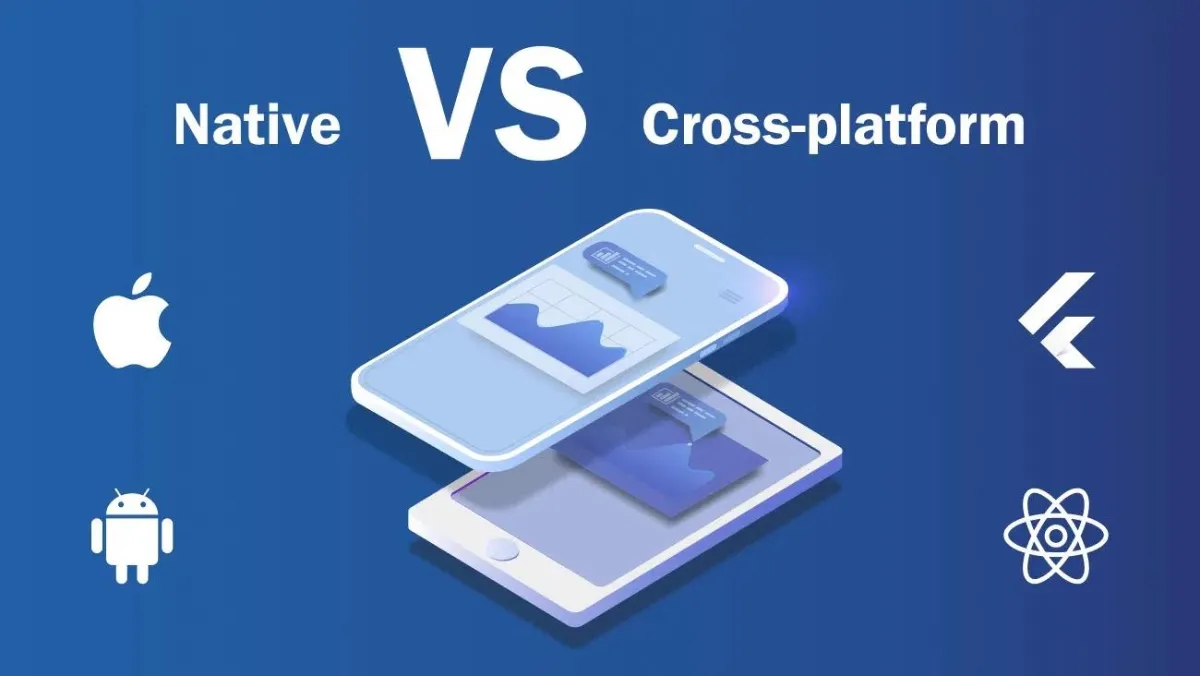
Cross-Platform vs. Native App Development in Charlotte, NC: Pros and Cons
Intro
Choosing between cross-platform and native app development in Charlotte, NC, can feel like picking between sweet tea and craft beer—both are popular in North Carolina, but the right choice depends on your taste, goals, and budget. Businesses here are navigating a rapidly expanding tech scene, and with mobile usage projected to account for nearly 72% of all digital commerce by 2025 (Statista), the stakes are high. Above Bits has worked with companies ranging from small startups in the South End to established enterprises in Uptown, helping them decide which development path will future-proof their investment.
In this article, we’ll break down the strengths and limitations of each approach, using real-world statistics, technical considerations, and examples from Charlotte’s vibrant business ecosystem. Whether you’re building an app for local users in Raleigh or scaling for nationwide reach, you’ll see how development choices affect performance, scalability, and long-term costs. And yes, we’ll sprinkle in a few bits of humor—because tech talk doesn’t have to be drier than a biscuit without gravy.
Understanding the Basics
Native App Development Explained
Native app development in Charlotte, NC refers to creating applications specifically for one operating system—typically iOS or Android—using platform-approved tools like Swift for iOS or Kotlin for Android. This approach delivers maximum performance, better hardware integration, and smoother animations because the code interacts directly with the OS APIs. For instance, when a fintech startup in Charlotte builds a native iOS app, it can leverage Apple’s Metal graphics API for ultra-smooth data visualizations in trading dashboards. Native apps also tend to pass app store reviews more easily since they align with platform guidelines. However, the trade-off is cost: building two separate native apps means maintaining two codebases, which often requires larger development teams and higher budgets.
From a lifecycle perspective, native apps are ideal for projects where performance, device integration, and OS-specific features are critical. Consider a healthcare provider in Charlotte implementing HIPAA-compliant features like biometric authentication—native development allows for direct access to secure hardware modules like the iPhone’s Secure Enclave. That said, the development process is typically longer, and release cycles may require more coordination when rolling out simultaneous updates across both platforms.
When Cross-Platform Steps In
Cross-platform app development in Charlotte, NC, enables the creation of a single codebase that works on both iOS and Android, utilizing frameworks such as Flutter, React Native, or Xamarin. These tools compile code into native-like performance, dramatically reducing development time and costs. For example, a retail chain in Concord launching a loyalty app could build and deploy to both app stores in roughly 30–40% less time compared to native development. This speed advantage is often decisive for startups racing against competitors.
The appeal is clear: shared code means faster updates, lower maintenance costs, and a more unified user experience across devices. However, cross-platform frameworks may still struggle with very high-performance needs or deep hardware integration—think AR features or complex, GPU-heavy gaming. Frameworks have improved significantly, but in cases like intensive video processing for a Charlotte-based media startup, native may still have the upper hand.
The Local Business Perspective
What Charlotte Companies Need
Businesses in North Carolina—especially in major hubs like Charlotte, Raleigh, and Greensboro—often have to balance time-to-market with technical sophistication. For small and mid-sized businesses, the question isn’t just “Which is better?” but “Which fits our growth trajectory?” A local logistics company in Charlotte might prioritize rapid deployment and choose cross-platform to serve drivers on both iOS and Android without doubling development costs. On the other hand, a fintech startup in Raleigh might go native to gain performance advantages in a real-time trading app.
Beyond functionality, local competition also plays a role. Charlotte’s tech ecosystem is thriving, with over 45% of regional businesses investing in mobile solutions (NC Tech Association, 2024). With that level of investment, cutting corners in performance or design could mean falling behind. The decision must be made with both the present and future scalability in mind.
North Carolina’s Tech-Driven Demand for Cross-Platform and Native Solutions
When discussing app development in Charlotte, NC, it’s essential to understand the broader state-level trends. North Carolina’s tech sector has grown nearly 14% year-over-year for the last three years, driven by industries like finance, healthcare, and retail. Businesses in cities like Charlotte, Raleigh, and Wilmington are increasingly adopting mobile-first strategies, not as a luxury, but as a baseline requirement for customer engagement.
For Above Bits, this means helping clients match their industry needs with the right development model. In healthcare, for example, a hospital in Greensboro might prefer native for strict compliance and device-level data encryption. At the same time, an e-commerce brand in Charlotte may lean cross-platform for cost efficiency. The choice impacts not just performance, but also hiring—native specialists are often more expensive to recruit locally compared to cross-platform developers.
Pros of Native App Development
Why Native Still Holds the Crown
Native app development in Charlotte, NC consistently delivers superior speed, stability, and access to the latest OS features. Performance benchmarks show that native apps can load up to 40% faster than cross-platform counterparts in CPU-heavy applications. For Charlotte’s banking sector, where milliseconds in transaction processing matter, this speed difference can be the deciding factor. Native apps also tend to have better offline functionality, an advantage for industries like field services or transportation.
Security is another major factor. Native apps can take full advantage of OS-level security patches and device-specific encryption. For example, a fintech app built for a Charlotte credit union can integrate with iOS Keychain or Android Keystore for secure credential storage—capabilities that cross-platform tools often have to emulate rather than directly leverage.
Key Advantages of Native Development
- Full access to device hardware (camera, GPS, accelerometer) without extra abstraction layers
- Better compliance with app store policies and faster approval rates
- Optimized performance for graphics-heavy apps like gaming or data visualization
- Direct integration with OS-level security features and biometric authentication
- Greater reliability in push notifications, background processes, and offline modes
Pros of Cross-Platform App Development
Speed and Cost Advantages
For many businesses considering app development in Charlotte, NC, speed-to-market is a top priority. Cross-platform development allows a single team to build for multiple platforms simultaneously, reducing development time by an average of 30–50%. This is especially valuable for startups in fast-moving markets like e-commerce or event management. For example, a Charlotte-based festival organizer could release an event app in just a few months, capturing seasonal opportunities without overspending.
Cost efficiency is equally compelling. Maintaining a single codebase lowers not only the initial build costs but also long-term maintenance expenses. Updates, bug fixes, and feature rollouts can be synchronized across platforms, freeing up resources for marketing, customer support, or scaling server infrastructure.
Why It Works for Growing Businesses in Charlotte, Raleigh, and Greensboro
Cities like Charlotte, Raleigh, and Greensboro have seen a surge in small-to-medium enterprises adopting mobile apps as part of their growth strategies. For Above Bits, cross-platform development has been a go-to recommendation for companies that prioritize budget control without sacrificing user experience. For example, a boutique retailer in Charlotte looking to expand statewide could use a cross-platform framework to quickly deploy its shopping app to customers across North Carolina without doubling costs.
While performance purists may argue for native, modern cross-platform frameworks are closing the gap. For many local businesses, the slight trade-offs in peak performance are worth the savings in time and money—especially when those savings can be reinvested in marketing or feature innovation.
Cons of Native App Development
When Native Becomes a Costly Choice
For all its technical strengths, native app development in Charlotte, NC, can be expensive—especially for businesses in North Carolina that need to target both iOS and Android audiences. Since each platform requires its own codebase, companies often end up hiring separate teams or developers with specialized skill sets, doubling labor costs. For a mid-sized enterprise in Charlotte, this could mean a budget difference of 40–60% compared to a cross-platform build. Maintenance compounds this problem—every feature update or security patch must be implemented twice, which slows down release cycles and increases overhead.
Another drawback is scalability for small teams. A startup in Wilmington might find it challenging to manage parallel development streams while also running marketing, operations, and customer support. While outsourcing is an option, it adds another layer of coordination and potential delays. The bottom line: native apps offer performance perfection but demand significant investment in time, talent, and money.
The Market Reality of App Development in Charlotte, NC
North Carolina’s thriving tech sector means competition for skilled developers is high, particularly in Charlotte, Raleigh, and Durham. Native developers with experience in Swift or Kotlin often command premium rates, and hiring locally can be challenging for smaller organizations. This talent scarcity can extend project timelines, forcing businesses to consider remote hires, which may introduce communication hurdles.
For Above Bits clients, the decision often comes down to the projected lifespan and complexity of the app. If the app is short-term or has limited feature requirements, the high upfront investment in native development might not justify the return. Long-term mission-critical apps with deep hardware integration may still warrant the cost.
Cons of Cross-Platform App Development
When Performance Falls Short
While cross-platform app development in Charlotte, NC has improved dramatically, it still can’t always match the raw speed and efficiency of native apps. Performance-sensitive applications—like high-frequency trading platforms or real-time navigation systems—may encounter slight lags or reduced animation smoothness. For example, a racing game built for a Charlotte-based entertainment company might run at 55 frames per second on cross-platform compared to 60 on native, a difference hardcore users will notice.
Hardware integration is another weak spot. Although frameworks like Flutter and React Native offer plugins for device features, they may not cover every edge case. Businesses requiring niche hardware APIs or advanced camera controls might face limitations, necessitating native modules to bridge the gap, which could erase some of the cost savings.
Comparison Table – Native vs. Cross-Platform
| Feature / Factor | Native Development | Cross-Platform Development |
| Performance | Excellent – direct OS integration | Very good – may be slightly slower for complex tasks |
| Time-to-Market | Longer – separate builds | Shorter – single codebase |
| Initial Development Cost | Higher | Lower |
| Maintenance Cost | Higher – two codebases | Lower – one codebase |
| Hardware API Access | Full | Partial (may require native modules) |
| Best Use Cases | High-performance, hardware-intensive apps | Budget-conscious, multi-platform apps |
| Local Talent Availability (NC) | Limited & high-cost | Broader skill pool |
Making the Right Choice for Your Business
Above Bits’ Perspective
At Above Bits, we’ve seen both native and cross-platform projects succeed—when they’re matched to the right business goals. In app development in Charlotte, NC, for example, we helped a Charlotte fintech firm go native to achieve seamless biometric authentication for high-security transactions, while guiding a Raleigh events startup toward a cross-platform approach that allowed them to launch in half the time. The decision isn’t just about technology—it’s about aligning technical capabilities with market realities and budget constraints.
Every business in North Carolina has its unique set of priorities. Some prioritize brand polish and maximum performance, while others need to get an MVP to market quickly to capture a seasonal opportunity. Above Bits acts as a technical partner to help clients avoid the pitfalls of mismatched tech stacks and select the path that supports both immediate goals and long-term growth.
Why Hybrid Strategies Sometimes Win in App Development in Charlotte, NC
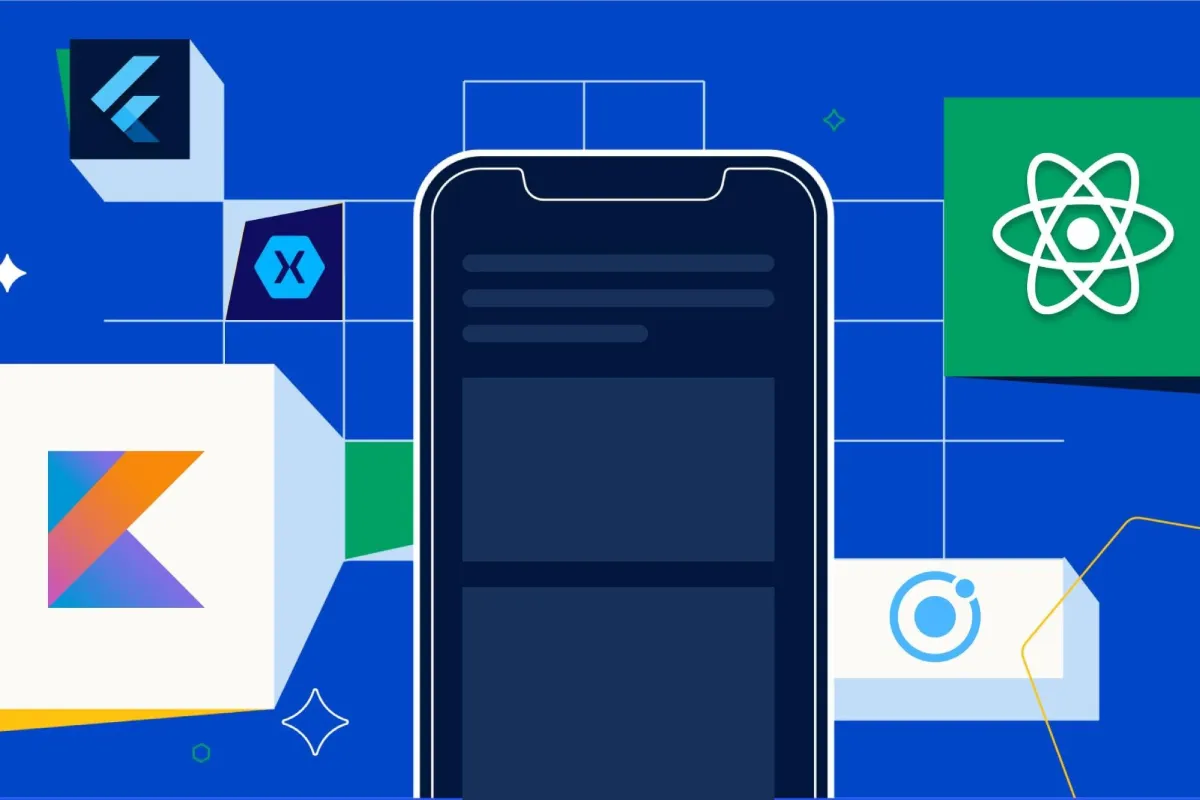
In some cases, a hybrid strategy can be the sweet spot. A Charlotte-based healthcare provider might build a native patient portal for secure medical data access while creating a cross-platform app for general health tips and appointment scheduling. This layered approach balances performance, cost, and user reach.
Above Bits has successfully implemented hybrid models for several North Carolina businesses, ensuring that critical app features receive native treatment while less intensive components are developed cross-platform. This flexibility lets companies allocate resources where they matter most without compromising user satisfaction.
Let’s Build Something That Works for You
Why Now Is the Best Time to Decide
The demand for app development in Charlotte, NC, is growing faster than ever, and waiting too long to choose your development path can put you at a disadvantage. Market projections indicate that North Carolina’s mobile app sector will grow another 18% in the next two years, fueled by consumer demand for on-the-go digital services. Businesses that act now can secure a competitive advantage before market saturation drives user acquisition costs higher.
Above Bits is ready to help you navigate the decision-making process with a clear-eyed view of your budget, target audience, and long-term scalability. Whether you’re leaning native, cross-platform, or hybrid, we’ll make sure you’re building a solution that supports—not limits—your growth.
Let’s Build Your Future Together
If your business is in Charlotte, Raleigh, Greensboro, or anywhere in North Carolina, Above Bits can guide you through every stage of the app development process. From early planning to post-launch optimization, our team ensures your app meets performance expectations, stays secure, and delights users.
Reach out today to schedule a strategy session with our developers. Let’s turn your concept into a high-performing, market-ready application that gives your business a measurable edge in a competitive landscape.


Leave a Reply