
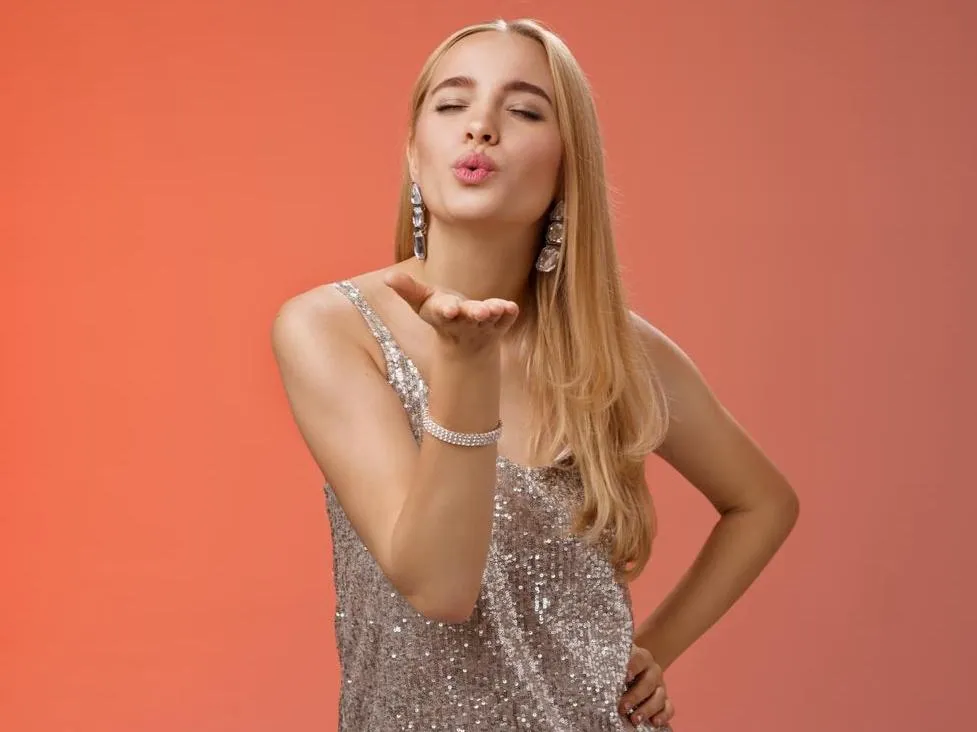
Dance Costumes that are Confluence of Movement, Fabric, and Expression
Some movements speak louder than words, and dancers sometimes rely on movement instead of speaking. But what adds colour and identity to those movements are the dance costumes. They are not simply garments made to cover the dancers’ bodies and to entertain the audience, but are the silent partners on the stage. They accentuate rhythm, reflect emotions, and showcase the creativity involved in the performance.
The dance costumes are made of different fabrics and styles. Ranging from the glittery, attention-grabbing, shimmering fabrics to the elegant, soft, and smooth chiffon, dance costumes are made to evoke different emotions and to grab the audience’s attention. The rest of this article delves into the various artistic styles of dance costumes, the rationale behind the selection of specific fabrics, and lastly, the impact of costume design on the performance.
The Soul of Every Performance: Purpose of Dance Costumes
In every performance, the different dance styles tell a unique story. The costumes are specific to the different styles because they have to reflect the story visually and reinforce the story being told.
A dancer’s attire should also add to the beauty of the performance. The balance of colour, shape, and texture should create a cohesive piece, as in a ballet dress to evoke a feeling of soft grace, contrasted to a jazz costume to emphasise lively energy.
A Journey Through History: The Evolution of Dance Costumes
As culture and art blossomed, so did the costumes used in dance. In ancient times, simple clothing made from natural fibres and embellishments served some purpose. With the passage of time, dance clothing transitioned to more structurally designed and focused expressive performance attire.
The Renaissance period celebrated ornate design and tiered skirts. In the current age, modern dancers opt for fabric design that promotes stretch and breathability to the materials so that they may move freely.
Today’s designers use a wider variety of materials that blend tradition with innovation to create masterpieces that not only look stunning under performance lights but also ensure the dancer’s comfort. The thoughtful use of shimmer fabric, along with other creative textiles, has transformed stage costumes—adding movement, depth, and a captivating glow to every performance.
Choosing the Right Material for Movement
There is a series of materials in which a good instrumented dance garment can be made. The four sets of materials that can be used are:
Stretchy materials like spandex, Lycra and jersey. These materials increase the range of movement that is provided and are lightweight.
2. Lightweight Fabrics
For costumes that flow, chiffon and georgette allow the fabric to move beautifully with the dancer as they spin and twirl.
3. Reflective and Sparkling Fabrics
During stage performances, shine and reflection are critical. Potentially the most popular fabric, shimmer, reflects stage lights, adding dimension and magic to every dance with ease.
For many dancers and designers, the materials are more likely to be purchased online due to the ease of customization, wider selection, and unique colour options.
Design Principles Behind a Perfect Dance Costume
Designing a dance costume is a blend of art and science. Each detail, be it the silhouette or demarcation, is critical to how the costume supports the dancer during the performance.
Comfort Comes First
An incredible costume cannot look amazing without feeling amazing as well. Fabrics must allow dancers unrestricted movement to fully express themselves. Costumes should be lightweight and must breathe, stretch, and remain less cumbersome.
Considerations For Stage Costumes
How a costume looks under different lighting is important as a costume is being used in a performance. Shiny materials like shimmer fabric will make an outfit even more appealing because they will reflect light. This will make the costume stand out even more.
Costumes Must Be Durable
Characters are put in costumes for a performance multiple times. Costumes for characters are worn regularly, which increases the wear and tear, so costumes must be built with stronger stitching and quality fabric to ensure a costume lasts without losing its shape, sparkle, and durability.
Popular Dance Costume Styles
Different styles of dance celebrate different individuality, and costumes help with that. Here are a few styles with examples that show how the design is adapted to the performance type.
Ballet
Ballet is a dancing form that is known for the refinement of costumes. Tutus, leotards and soft-toned fabrics capture the balance, precision and grace that is needed for the performance.
Contemporary
This style of dance is unique in that it also focuses on the costumes, as they prefer simplicity. Chiffon is a flowy material that assists in expressive movement and emotion-driven storytelling, which is essential in contemporary performances.
Jazz and Tap
Jazz and Tap styles of dance are vibrant and energetic. To reflect the energy and rhythm of these styles, costumes are designed with sequined tops, fitted pants, and bold colours.
Cultural and Folk Dances
Traditional costumes have cultural heritage and are important to various regions. Dancing in this part of the world uses fabrics, patterns, and embroidery that each represent a unique history and identity.
Hip-Hop
Comfort and style dominate the fashion of hip-hop. Loose pants, sneakers, and tops that are inspired by streetwear form a uniform that expresses individuality and strength.
How Fabric Choice Affects Performance
The type of fabric used for a dance costume will impact the dancer’s ability to move, and can even impact how they feel while performing. Heavy fabrics can restrict how a dancer moves, while fabrics that do not stretch at all can rip while a dancer is performing quick movements.
This is why many costume designers have started to use hybrid fabrics. For example, shimmering fabrics are perfect for a stage costume because they allow movement while providing a shiny, eye-catching look.
Customisation and Creativity in Dancewear Design
In dance, a costume’s most special feature is the personal, creative touch that each dancer leaves on it. A dancer wants to show a unique story through their costume. Designers will place special decorations, like rhinestones and sequins, to represent the dancer’s character and personality.
For the final design, additional elements, like asymmetrical cuts and draped sleeves, can enhance the overall look. Excellent designers know how to combine art with comfort, taking fabric and turning it into a masterpiece in motion.
Proper Care and Storage of Dance Costumes
The quality of dance costumes should be preserved since they are exposed to sweat, lighting, and rapid movements during performances.
The following are quick tips to help keep your costumes well-maintained:
- To avoid odours, air-dry your costumes after use.
- For delicate materials, hand washing in cold water is recommended.
- Do not iron shimmer fabrics directly.
- Keep costumes in breathable garment bags away from the sun.
Properly maintaining your costumes will keep them looking fabulous for the dance stage for many years.
Where Technology Meets Flexibility
The use of technology in the design of costumes has made it possible for dance designers and dancers to work remotely. They can work using different fabric collections and design materials from different parts of the world.
The internet offers plenty of resources that encourage creativity and experimentation in costume design. You can easily explore an online fabric shop and have your chosen materials delivered right to your home. From stretch velvet and tulle to metallic shimmers, these shops provide a wide range of colors, patterns, and textures to bring any design idea to life.
Conclusion
Dance costumes combine art and movement with craftsmanship. They not only beautify the dancer, but they also empower the performance. They make every twirl, jump and gesture more meaningful as the costume works in sync.
Costumes for ballet, jazz and even school recitals should inspire confidence. With the right materials and thoughtful design, even a simple cloth can be made into a moving masterpiece.
Every dance costume has a unique story. When you shop for fabric online, you find a multitude of options to help tell that story, whether it be gorgeous velvets or sparkling shimmer fabric. Let your imagination run wild. The options are endless!
Costumes in Dance: Common Questions
Why are costumes important in dance?
Costumes help tell a story and set the theme for a performance. They help draw the audience’s attention and trigger emotions during the performance.
2. Which fabrics work best for dance costumes?
Lycra and other stretch fabrics work well, as do soft fabrics like chiffon and fabrics that reflect light, such as shimmer fabric.
3. Can I make my own dance costume at home?
Of course! Many dancers like to create their own costumes. You can buy fabric online and find beginner sewing tutorials to help you make custom dance attire.
4. How do I choose colours for my dance outfit?
Choose colours that reflect the dance style and its emotional tone. Use bright colours for upbeat dances and soft colours for slow and emotional performances.
5. How can I make my costume sparkle on stage?
You can use shimmer fabric and other embellishments like sequins, crystals, and metallic fabrics to add light reflection and catch the audience’s attention.


Leave a Reply