
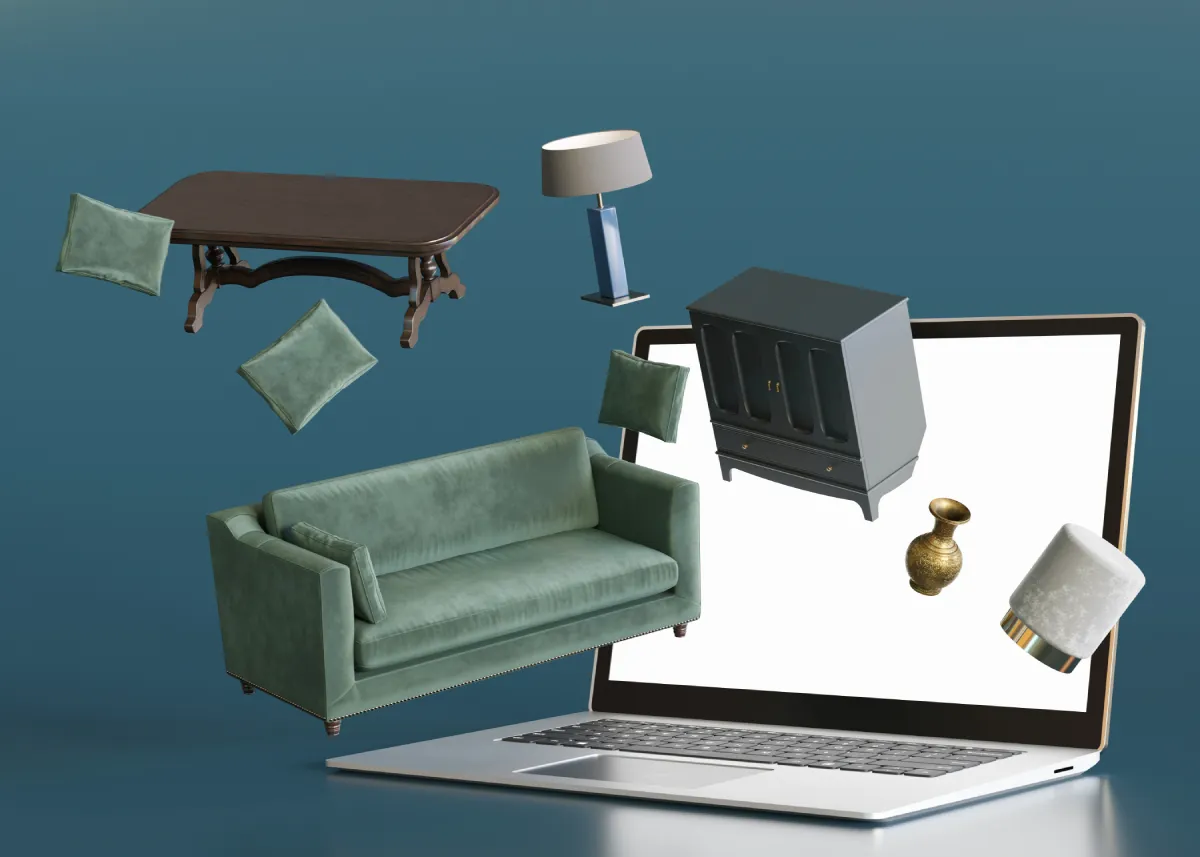
Design Without Boundaries: How Customization Shapes Both Websites and Living Spaces
In today’s world, design isn’t limited by medium.
Whether you’re building a website or styling a living room, customization has become the key to creating experiences that feel personal, functional, and future-ready.
Key Takeaways
- Customization is no longer a bonus – it’s an expectation in both digital and physical design.
- Personalization drives stronger engagement, whether you’re building a website or curating a living room.
- Modular thinking allows for long-term adaptability and better return on investment.
- Brands that invest in tailored experiences see higher customer satisfaction and loyalty.
Why Customization Matters More Than Ever
The modern consumer expects choice. Whether browsing for a website theme or a new sofa, the ability to shape the end product to fit their exact needs is a deciding factor. This isn’t just about aesthetics – it’s about creating something that feels personal and functional from day one.
According to McKinsey & Company, companies that excel at personalization generate 40% more revenue from those activities than their peers. This is as true for web design agencies as it is for home furniture brands: tailored experiences make customers feel understood, valued, and connected.
The Parallels Between Digital and Physical Design
In web design, you start with a flexible theme or framework, then fine-tune it with typography, colors, layouts, and plugins until it meets the client’s goals. The process is iterative, with each decision shaping the final look and function.
Physical space design follows a similar path. The best interiors don’t come from a showroom floor ready-made – they evolve based on the dimensions of the room, the intended use of the space, and the personality of the people living there.
Modular Thinking: Flexibility Built In
The concept of modularity bridges both worlds. In a website, modular design means reusable components – headers, footers, content blocks – that can be rearranged without rebuilding from scratch.
In the living room, modular sectionals work the same way. Brands like DreamSofa offer fully customizable configurations down to the inch, letting homeowners reconfigure layouts, change fabrics, and swap components over time.
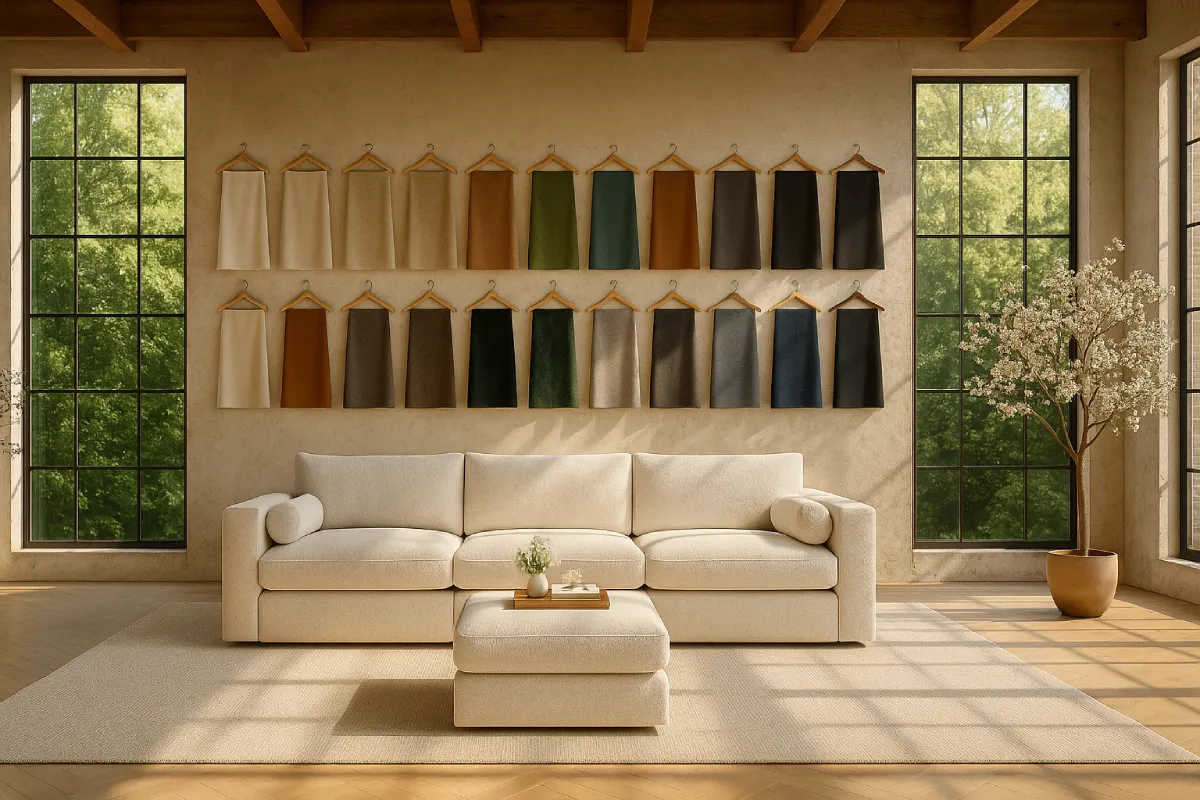
This adaptability means the product evolves with you, much like a theme that can be updated for new functionality.
Personalization as a Long-Term Strategy
The beauty of customization is that it extends the life of the design. A theme that’s flexible can be refreshed visually without replacing its entire structure. A sectional that allows fabric swaps and module changes can stay in the family for years without losing relevance.
Both approaches save money, reduce waste, and keep the end product aligned with evolving needs – a win for both user experience and sustainability.
The Bottom Line
Whether you’re designing a responsive website or a room that feels like home, customization gives you an edge. It’s not about offering endless options for the sake of it – it’s about crafting solutions that reflect the end user’s identity and grow with them over time.
FAQs
1. Why is customization important in design?
It creates a product or experience that feels personal, increasing satisfaction and loyalty.
2. What is modular design?
A method where components can be rearranged or replaced without starting from scratch, useful in both websites and furniture.
3. How does personalization impact ROI?
Studies show personalization can significantly increase revenue and customer engagement.
4. What’s an example of modular thinking in furniture?
Customizable sectional sofas where each piece can be rearranged or swapped, such as those offered by DreamSofa.
5. Is modular design more sustainable?
Yes, because you can update parts instead of replacing the whole, reducing waste.
6. Can website design principles improve interior design?
Absolutely – concepts like layout balance, hierarchy, and modularity apply to both digital and physical spaces.


Leave a Reply