
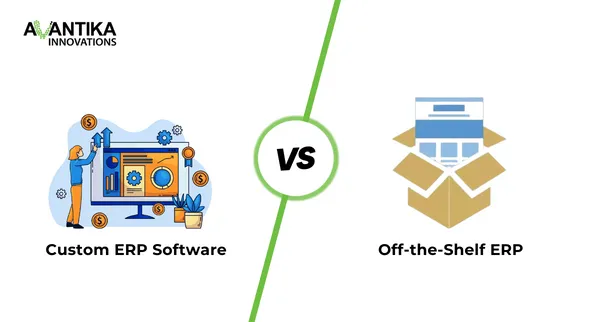
ERP Software Development Company vs. Off-the-Shelf ERP Providers
What if your ERP system could exactly match the actual functions of your business operations? Organizations implement Enterprise Resource Planning (ERP) systems to enhance their operational efficiency and resource allocation while achieving instantaneous visibility across their departments in modern data-driven business environments. The platforms combine fundamental business operations, which include finance and inventory management, logistics, human resources, and customer control into one complete system.
Organizations need to make a critical choice about their ERP implementation process because they must select between two options. Organizations can select between custom system development through an ERP software development company or they can implement pre-existing ERP solutions, which offer standard modules to fulfill typical business requirements.
Custom ERP systems create unique solutions that match specific business needs because they enable businesses to customize their operational processes and system connections and their company functions. This article explains the essential distinctions between custom ERP development and off-the-shelf solutions to assist businesses in selecting the option that will boost their operational performance, system growth, and their ability to sustain themselves over time.
Understanding ERP Systems:
The study of Enterprise Resource Planning systems investigates their function as centralized systems that control their business operations through automated processes. The ERP software system unifies departmental data into a centralized database, which improves decision-making capabilities and operational performance.
The standard ERP system contains essential modules, which include:
The finance department, together with the accounting department
The supply chain system, together with inventory control systems
The human resources management system
The system for customer relationship management (CRM)
The procurement system, together with production planning systems
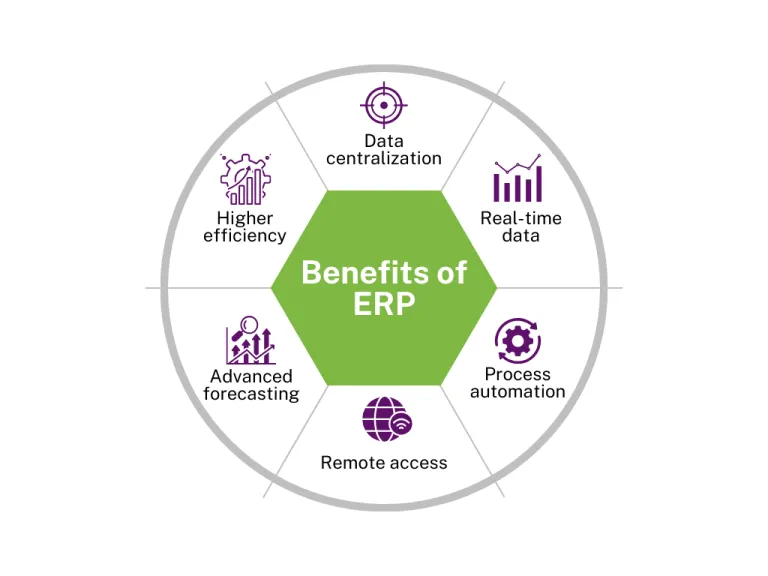
ERP systems enhance organizational collaboration through data aggregation and workflow automation, which allows teams to work together more effectively while reaching operational goals.
What Is an ERP Software Development Company?
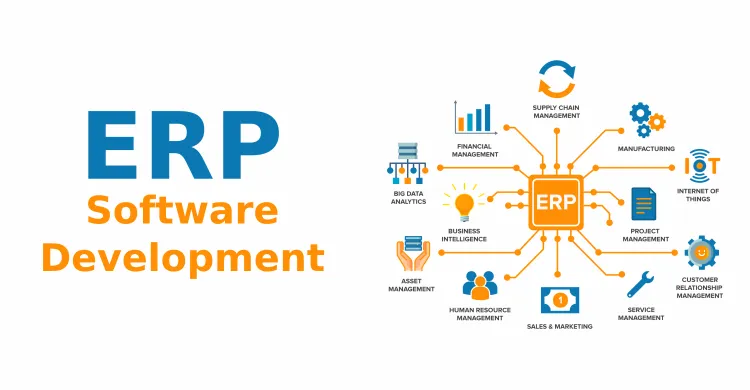
The ERP software development company creates personalized ERP solutions that match the particular business needs of its clients. Custom ERP systems use specific design elements to match the operational processes and business functions of each organization.
The process of developing custom ERP systems includes these main steps, which need to be completed:
- Business analysis and requirement gathering
- System architecture design
- Software development and module creation
- Software Testingand Quality Assurance
- Deployment and integration
- Continuous support and optimization
Custom ERP platforms use APIs to connect with current business applications and existing systems, and external software products, which enables smooth data exchange between different departments.
What Are Off-the-Shelf ERP Solutions?
Off-the-shelf ERP systems deliver a ready-to-use software solution that businesses can implement across multiple industry sectors. The system includes fundamental modules that operate through current business processes to enable rapid deployment with minimal system development requirements.
The most common off-the-shelf ERP systems include SAP Business One, Oracle NetSuite, and Microsoft Dynamics. These platforms typically offer:
- Preconfigured modules
- Standard reporting tools
- Vendor support and updates
- Cloud-based deployment options
The main benefit of off-the-shelf ERP software enables organizations to implement systems quickly because developers have already completed their basic operational functions through testing.
Businesses need to change their existing processes for system requirements instead of using system features to meet their operational needs.
Differences Between Custom ERP and Off-the-Shelf ERP:
| Features | ERP Software Development Company (Custom ERP) | Off-the-Shelf ERP Providers |
| Customization | Fully tailored to business workflows | Limited customization options |
| Implementation Time | Longer development cycle | Faster deployment |
| Initial Cost | Higher upfront investment | Lower initial cost |
| Scalability | Highly scalable and flexible | Limited by vendor architecture |
| Integration | Seamless integration with existing systems | Often requires additional connectors |
| Maintenance | Managed by a development partner | Provided by vendor |
| Long-Term Cost | Potentially lower long-term cost | Recurring license and upgrade fees |
Custom ERP solutions match business processes exactly, whereas off-the-shelf systems provide general functionality that multiple industries can use.
Advantages of Working with an ERP Software Development Company:
The main benefits businesses gain from collaborating with an ERP software development company.
1. Complete Customization:
Your business needs custom ERP systems that developers build according to your requirements. Your business needs system components that developers create to match your current operational needs.
- The process enables organizations to achieve
- The process leads to efficiency advantages
- The process helps users to better adopt the new system
Companies use custom systems as their unique processes become automated through custom system development.
2. Seamless Integration:
Companies need multiple software applications, which include CRM systems, supply chain management software, and accounting solutions. The custom ERP system enables organizations to connect their software through application programming interfaces and data connectors.
The system enables departments to share information seamlessly while maintaining up-to-date records at all times.
The custom ERP system allows organizations to connect their systems with new technologies, which include:
- Artificial intelligence
- IoT devices
- Advanced analytics tools
- Machine Learning
3. Scalability and Future-Proof Architecture:
Business growth leads to changing operational requirements for organizations. Custom ERP systems can be designed with a modular architecture that supports:
- Additional users
- New business units
- Multi-location operations
- Advanced analytics modules
The custom system enables organizations to expand system capabilities without changing their existing platform.
4. Enhanced Data Security:
The custom ERP system enables organizations to develop security systems that match their specific industry requirements and compliance standards.
- The security system includes these functions
- The security system uses role-based access control
- The security system includes advanced encryption
- The security system uses secure API authentication
- The security system uses regulatory compliance configurations
High-level access control serves as vital protection for businesses operating within the finance, healthcare, and logistics industries.
Limitations of Custom ERP Development:
Custom ERP development delivers advantages yet faces specific challenges.
1. Higher Initial Investment:
The process of creating ERP software from its base requires a substantial investment, which includes both development time and technical skills, and all necessary systems.
The investment has the potential to generate future benefits when the system enhances operational effectiveness.
2. Longer Development Timeline:
The development process for custom ERP solutions needs multiple months because it requires developers to complete five distinct phases, which include planning, design, development, testing, and deployment.
The extended timeline presents difficulties for enterprises that require their solutions to be delivered without delay.
3. Maintenance Responsibility:
Custom ERP systems need their performance and security to be maintained through regular updates and system monitoring activities.
Development partners provide organizations with the ongoing support they need to solve technical problems.
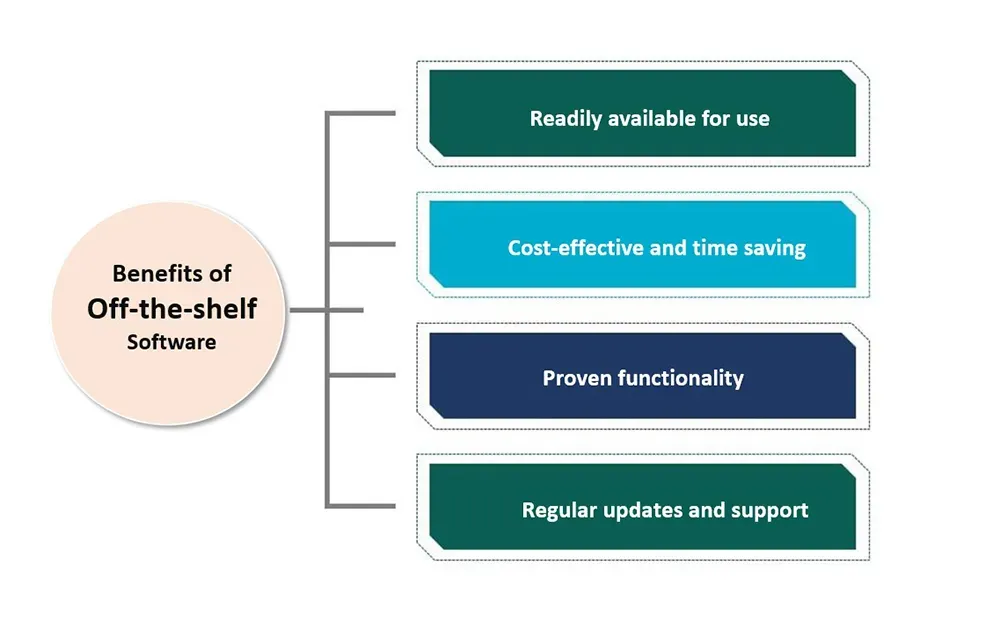
Advantages of Off-the-Shelf ERP Solutions:
1. Faster Implementation:
Companies can implement off-the-shelf ERP systems, which they can deploy within weeks because the systems exist as complete products.
The solution suits companies that require operational enhancements that need to start functioning immediately.
2. Lower Initial Costs:
Small and medium-sized businesses find ready-made ERP solutions affordable because they charge subscription or licensing fees.
The development costs are shared among multiple customers because multiple customers use the service.
3. Proven Reliability:
The user base of many off-the-shelf ERP systems has reached substantial numbers because users have tested the systems in actual work environments.
The system functions with stable performance because all its elements have undergone thorough testing.
4. Vendor Support and Updates:
The ERP vendors release system updates, which include security patches and new system features, at regular intervals. The system provides businesses with:
- The vendor offers technical support to users.
- The vendor provides users with documentation and training materials.
- The system receives continuous updates for its functionality.
Limitations of Off-the-Shelf ERP Solutions:

1. Limited Customization:
The system provides defined workflows that businesses must use because their actual processes do not match the existing procedures.
Companies must modify their business processes to operate in the system environment.
2. Integration Challenges:
Prebuilt ERP systems may not integrate easily with legacy software or specialized business tools.
The situation results in:
- Data storage problems
- Data must be manually transferred between systems.
- The organization experiences reduced efficiency in its operations.
3. Hidden Long-Term Costs:
Organizations will face higher expenses from off-the-shelf ERP solutions because they need to pay ongoing costs for:
- User licenses
- Additional modules
- Custom integrations
- Vendor support
As organizations expand their operations, they will experience significant growth.
Cost Comparison: Custom ERP vs Off-the-Shelf ERP
| Cost Category | Custom ERP Development | Off-the-Shelf ERP |
| Initial Investment | High | Low |
| Deployment Time | Several months | Weeks or months |
| Licensing Fees | None | Recurring |
| Customization Costs | Included in development | Additional charges |
| Maintenance | Managed by the development team | Vendor-provided |
| Long-Term Cost | Potentially lower | May increase over time |
The custom ERP system requirements create higher upfront expenses for businesses, but result in lower total operating costs because businesses no longer need to pay for software licenses and customization services.
Conclusion:
Organizations must evaluate their operational requirements and financial limits and their long-term business objectives to choose between custom ERP systems and off-the-shelf ERP solutions. Off-the-shelf ERP systems deliver businesses with standard processes and urgent operational requirements immediate access to their established system capabilities through fast setup and reduced initial expenses.
Organizations that require unique operational processes, growing business needs, and complex system connections should develop customized ERP systems through an ERP software development partnership. Custom ERP solutions enable companies to build operational systems that support their business needs because these solutions offer better operational flexibility, higher system performance, and future business growth capabilities.
The ERP system needs to handle business operations while it needs to support your company’s growth requirements. The experienced ERP development expert will assist you in creating a solution that matches your business processes while it connects to your current systems and provides ongoing operational efficiency and technological progress.


Leave a Reply