
From Laboratory to Documentation: Essential Technologies in Modern Pharmaceutical Development
The journey from initial drug discovery to regulatory approval represents one of the most complex and demanding processes in modern industry. For pharmaceutical companies operating in Australia and Singapore, this journey involves navigating rigorous regulatory frameworks set by the Therapeutic Goods Administration (TGA) and Health Sciences Authority (HSA), respectively, while competing in a global market that demands speed, precision, and innovation.
Success in pharmaceutical development requires more than just scientific expertise; it demands strategic investment in technologies that optimize every stage from formulation to final documentation.
This comprehensive guide explores how cutting-edge manufacturing equipment and advanced documentation systems work together to accelerate pharmaceutical development timelines while maintaining the highest quality standards.
Whether you’re a biotech startup in Singapore’s Biopolis innovation hub or an established pharmaceutical manufacturer in Australia’s growing life sciences sector, understanding these essential technologies is crucial for competitive advantage in today’s market.
Understanding the Pharmaceutical Development Pipeline
Pharmaceutical development follows a structured pathway from laboratory research through clinical trials to commercial manufacturing. Each stage presents unique technical challenges that require specialized equipment, rigorous quality control, and comprehensive documentation. The process typically spans 10-15 years and costs billions of dollars, making efficiency improvements at any stage highly valuable to pharmaceutical companies.
In Australia and Singapore, pharmaceutical companies face additional considerations beyond scientific challenges. Both countries maintain stringent regulatory requirements that demand meticulous documentation, quality assurance, and compliance with Good Manufacturing Practice (GMP) standards.
The TGA and HSA conduct thorough reviews of manufacturing processes, clinical data, and quality systems before granting market approval for new drugs.
The integration of advanced technologies across manufacturing and documentation stages has become a competitive differentiator. Companies that invest strategically in equipment automation and documentation efficiency can reduce development timelines by months or even years. This acceleration translates directly to earlier market entry, extended patent protection periods, and improved return on research investment.
Manufacturing Excellence: The Foundation of Quality Pharmaceuticals
The Critical Role of Mixing and Agitation
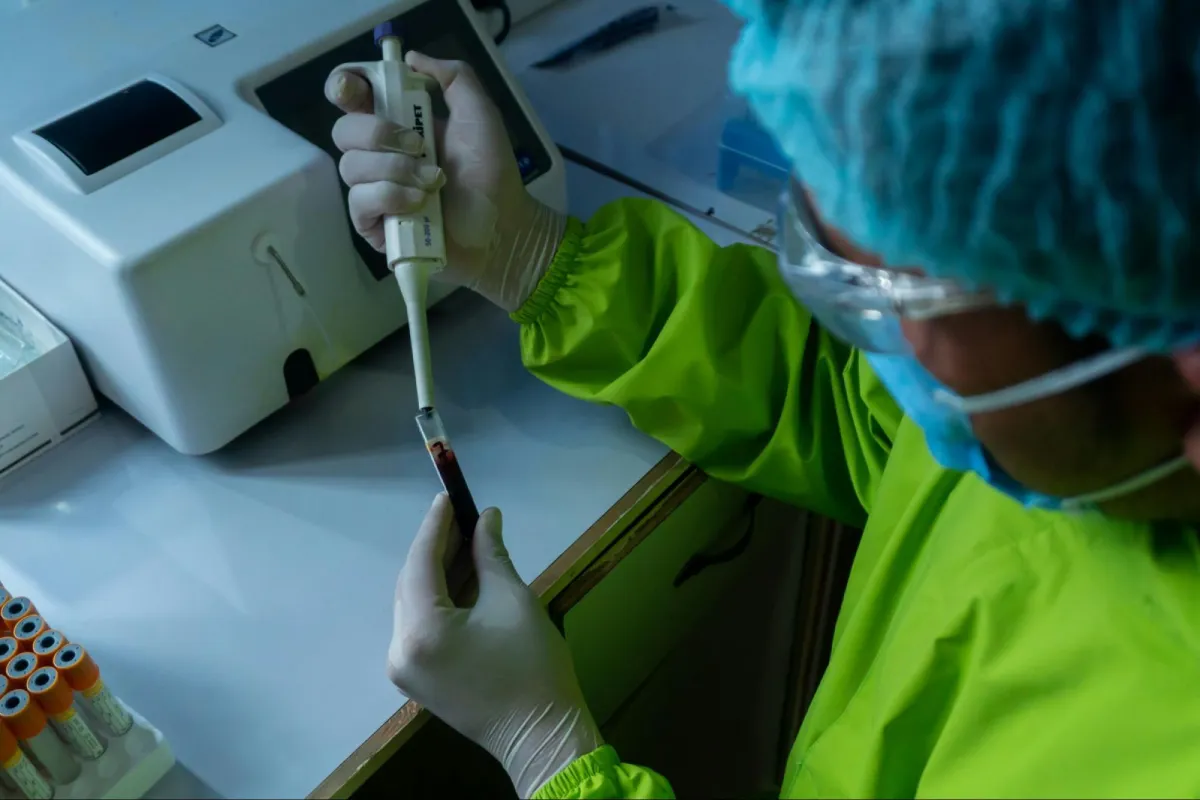
At the heart of pharmaceutical manufacturing lies the formulation process, where active pharmaceutical ingredients (APIs) are combined with excipients to create the final drug product. This seemingly simple mixing process actually represents one of the most critical quality control points in pharmaceutical manufacturing. Inconsistent mixing can result in dose uniformity issues, stability problems, or even complete batch failures that cost hundreds of thousands of dollars.
Modern pharmaceutical mixing technology has evolved far beyond basic stirring mechanisms. Today’s pharmaceutical agitators and mixers incorporate sophisticated engineering that ensures homogeneous distribution of ingredients, precise temperature control, and contamination-free processing.
These systems must accommodate everything from small-batch research formulations to large-scale commercial production while maintaining consistent quality across all volumes.
The pharmaceutical industry’s shift toward biologics, complex formulations, and personalized medicines has intensified mixing technology requirements. Biopharmaceutical products often involve sensitive proteins or cells that can be damaged by excessive shear forces during mixing.
Advanced agitation systems must balance thorough mixing with gentle handling, requiring precise engineering and process control capabilities that weren’t necessary for traditional small-molecule drugs.
Quality Requirements in Australian and Singapore Markets
Both the TGA and HSA mandate that pharmaceutical manufacturing equipment meets rigorous standards for cleanability, material compatibility, and process validation. Equipment used in pharmaceutical production must be constructed from materials that won’t leach contaminants into drug products, can withstand aggressive cleaning and sterilization procedures, and provide consistent, reproducible performance.
These requirements make equipment selection a critical decision that affects both product quality and regulatory compliance.
Australian pharmaceutical manufacturers must demonstrate that their equipment and processes comply with the Therapeutic Goods Order (TGO) 88, which specifies Good Manufacturing Practice standards.
Similarly, Singapore-based companies must adhere to HSA’s GMP requirements based on Pharmaceutical Inspection Co-operation Scheme (PIC/S) guidelines. Both regulatory frameworks emphasize process validation, requiring extensive documentation proving that mixing and formulation processes consistently produce products meeting quality specifications.
The equipment qualification process involving Installation Qualification (IQ), Operational Qualification (OQ), and Performance Qualification (PQ) represents a significant investment of time and resources.
Pharmaceutical companies in Australia and Singapore often find that choosing equipment suppliers with regulatory expertise and validation support accelerates the qualification process. Equipment that arrives with pre-validated cleaning procedures, material certifications, and documented performance data can save months in the approval timeline.
Scalability from Laboratory to Commercial Production
One of pharmaceutical development’s greatest challenges involves scaling formulations from laboratory bench to commercial manufacturing. A formulation that works perfectly in a 1-liter laboratory mixer may behave completely differently in a 1,000-liter production vessel.
Differences in mixing dynamics, heat transfer, and shear forces can cause unexpected problems when scaling up, potentially requiring reformulation or process adjustments that delay product launch.
Advanced mixing systems designed specifically for pharmaceutical applications address scalability challenges through geometric similarity and process parameter modeling. By maintaining consistent mixing intensity, blend times, and energy input per volume across different scales, these systems enable smoother scale-up transitions.
This predictability is particularly valuable for companies moving from clinical trial material production to commercial manufacturing, where process changes must be carefully validated and approved by regulatory authorities.
Singapore’s pharmaceutical industry, heavily focused on biologics and advanced therapeutics, particularly benefits from sophisticated mixing technology. Biopharmaceutical processes often involve multiple mixing steps cell culture media preparation, protein purification buffers, and final formulation, each requiring different agitation characteristics.
Integrated mixing systems that can accommodate diverse process requirements while maintaining GMP compliance provide operational efficiency that directly impacts production costs and timelines.
The Documentation Challenge in Pharmaceutical Development

Regulatory Submission Requirements
While manufacturing equipment determines product quality, documentation determines regulatory approval. Pharmaceutical companies must generate extensive documentation covering preclinical studies, clinical trial protocols and results, manufacturing processes, quality control procedures, and stability data.
The volume of documentation required for a New Drug Application (NDA) or similar regulatory submission can exceed 100,000 pages, representing years of scientific work compiled into structured regulatory documents.
The TGA and HSA review processes scrutinize every aspect of these submissions, looking for evidence that the drug is safe, effective, and manufactured consistently to quality standards. Clinical Study Reports (CSRs), comprehensive documents summarizing clinical trial designs, results, and statistical analyses, form the cornerstone of regulatory submissions.
These reports must follow precise formatting requirements, include detailed statistical analyses, and present data in standardized tables and figures that reviewers can efficiently evaluate.
Traditional approaches to creating regulatory documents involve teams of medical writers, statisticians, and regulatory affairs professionals working manually through data, creating tables, writing summaries, and compiling references.
This process is not only time-consuming but also prone to inconsistencies and errors. When clinical trials generate thousands of data points across hundreds of patients, manual document creation becomes a bottleneck that can delay regulatory submissions by months.
Medical Writing and Clinical Documentation
Medical writing represents a specialized skill that combines scientific expertise with regulatory knowledge and precise technical writing ability. Medical writers must interpret complex clinical data, present findings objectively, and structure information according to regulatory guidelines like the International Council for Harmonisation (ICH) E3 guideline for CSR structure.
The precision required, where a single error or inconsistency could trigger regulatory questions and approval delays, makes medical writing one of pharmaceutical development’s most demanding tasks.
For pharmaceutical companies in Australia and Singapore, the medical writing challenge is compounded by the need to prepare submissions for multiple regulatory authorities. A company launching a drug in both markets must prepare separate submissions tailored to TGA and HSA requirements, potentially involving different data presentations, statistical analyses, or supporting documentation.
Managing these variations manually multiplies the workload and increases the risk of inconsistencies between submissions.
The shortage of experienced medical writers in the Asia-Pacific region creates additional challenges. Competition for qualified writers drives up costs and extends timelines when companies can’t secure adequate resources.
This talent constraint has accelerated interest in technology solutions that can augment medical writing capabilities, enabling smaller teams to produce more documentation in less time without compromising quality.
The Automation Revolution in Clinical Documentation

Modern clinical study report automation technology is transforming how pharmaceutical companies approach regulatory documentation. These sophisticated software platforms integrate with clinical trial databases, automatically extract relevant data, generate statistical analyses, create standardized tables and figures, and even draft narrative sections based on predefined templates and regulatory guidelines. What previously required weeks or months of manual work can now be accomplished in days.
Automation systems for medical writing don’t replace human expertise but rather amplify it. Medical writers and regulatory professionals define templates, establish quality standards, and review automated outputs to ensure accuracy and regulatory compliance.
The technology handles repetitive tasks, extracting data, formatting tables, maintaining consistency, updating cross-references, and freeing human experts to focus on scientific interpretation, strategic messaging, and quality review. This collaboration between human expertise and technological efficiency creates a powerful combination.
The benefits of documentation automation extend beyond speed. Automated systems ensure consistency across documents, eliminate transcription errors when transferring data from databases to reports, and maintain complete audit trails showing exactly how each number, table, or figure was generated.
This traceability is particularly valuable during regulatory reviews when authorities question data or request clarifications. Being able to instantly demonstrate how every element of a submission was created builds confidence and accelerates approval processes.
Bridging Manufacturing and Documentation: An Integrated Approach
Data Flow from Laboratory to Regulatory Submission
The most sophisticated pharmaceutical companies recognize that manufacturing and documentation shouldn’t operate as isolated functions. Data generated during formulation development, process validation, and commercial manufacturing ultimately appears in regulatory submissions.
Creating seamless data flow from laboratory equipment through quality systems to documentation platforms eliminates manual transcription, reduces errors, and ensures that the submitted information accurately reflects actual manufacturing processes.
Modern pharmaceutical mixing and processing equipment increasingly incorporates data logging and connectivity features that automatically capture process parameters, environmental conditions, and batch records.
This electronic data can integrate directly with quality management systems and documentation platforms, creating a continuous digital thread from the manufacturing floor to regulatory submission. For pharmaceutical companies in Australia and Singapore, this integration supports both regulatory compliance and operational efficiency.
The Australian pharmaceutical industry’s adoption of digital technologies has been encouraged by TGA initiatives promoting electronic submissions and data standardization. Similarly, Singapore’s HSA has embraced digital transformation as part of the country’s Smart Nation initiative. These regulatory trends make integrated technology approaches not just beneficial but increasingly expected by authorities who want to review data in standardized electronic formats rather than thousands of pages of paper documents.
Quality Control Integration
Quality control generates massive amounts of data analytical test results, stability data, microbial testing, and dissolution profiles that must be compiled, analyzed, and presented in regulatory submissions. Manual compilation of this data from laboratory information management systems (LIMS), spreadsheets, and paper records is time-consuming and error-prone. Integrated systems that automatically pull quality data into documentation templates ensure accuracy while dramatically reducing compilation time.
The connection between manufacturing equipment and quality systems becomes particularly important during process validation. When pharmaceutical companies must demonstrate that their mixing processes consistently produce uniform products, they rely on extensive analytical testing across multiple batches.
Automated data integration allows this validation data to flow seamlessly into validation reports and regulatory submissions, providing clear evidence of process capability and control.
Singapore’s pharmaceutical industry, with its strong emphasis on advanced manufacturing and Industry 4.0 concepts, has been at the forefront of integrating manufacturing equipment with quality and documentation systems.
Companies operating in facilities like JTC’s pharmaceutical manufacturing parks benefit from digital infrastructure designed to support these integrations. Australian pharmaceutical manufacturers, particularly those in growth sectors like biologics and personalized medicine, are increasingly adopting similar integrated approaches to remain competitive.
Regulatory Compliance Across Manufacturing and Reporting
TGA and HSA Requirements
Both the TGA and HSA require pharmaceutical companies to maintain comprehensive documentation covering all aspects of manufacturing and quality control. The regulatory concept of “traceability” demands that companies can demonstrate clear connections between raw materials, manufacturing processes, quality testing, and final products.
This traceability extends into regulatory submissions, where authorities expect to see consistency between described manufacturing processes and actual production practices.
Manufacturing equipment validation documentation must align with process descriptions in regulatory submissions. If a company’s submission describes specific mixing parameters, agitation speeds, or processing times, its manufacturing records must show they’re consistently executing those parameters. Discrepancies between submitted information and actual manufacturing practices can trigger regulatory concerns, inspection findings, or even approval delays. This alignment requirement emphasizes the importance of accurate documentation that truthfully reflects actual operations.
The HSA’s risk-based approach to pharmaceutical regulation places particular emphasis on critical quality attributes and critical process parameters. Companies must identify which aspects of their manufacturing process most significantly impact product quality and demonstrate robust control over these parameters.
For mixing and formulation processes, this often involves demonstrating control over mixing time, speed, temperature, and order of addition. Documentation automation systems that can consistently capture and report these parameters support regulatory compliance while reducing documentation burden.
Audit Trail and Data Integrity
Both Australian and Singaporean regulatory authorities have intensified their focus on data integrity, following global pharmaceutical industry concerns about data manipulation and inadequate controls.
The regulatory expectation is that pharmaceutical data must be ALCOA+ compliant: Attributable, Legible, Contemporaneous, Original, Accurate, plus Complete, Consistent, Enduring, and Available. Meeting these requirements with paper-based systems and manual processes is increasingly difficult.
Modern pharmaceutical equipment with integrated data logging automatically creates audit trails showing who performed actions, when they occurred, and what parameters were used. This electronic documentation is inherently more reliable than handwritten batch records that can be modified without detection.
When combined with automated documentation systems that maintain version control and change tracking, pharmaceutical companies can demonstrate data integrity in ways that manual systems cannot match.
The business case for investing in integrated manufacturing and documentation technology includes substantial risk mitigation value. Regulatory findings related to data integrity can result in warning letters, import restrictions, or even facility shutdowns.
For pharmaceutical companies in Australia and Singapore markets, where regulatory compliance directly impacts business viability, technology investments that ensure data integrity provide both operational efficiency and regulatory risk reduction.
The Future of Pharmaceutical Technology Integration

Artificial Intelligence and Machine Learning
The pharmaceutical industry stands at the beginning of an artificial intelligence revolution that will further transform both manufacturing and documentation. AI algorithms can already analyze mixing processes to identify optimal parameters, predict batch outcomes based on early process data, and detect anomalies that might indicate quality issues. These capabilities will become increasingly valuable as pharmaceutical formulations grow more complex and personalized.
In documentation, AI-powered natural language processing is evolving beyond template-based automation toward true intelligent writing assistance. Future systems may be able to read clinical trial results, identify key findings, and generate initial draft narratives that medical writers can refine, moving from automation of repetitive tasks toward augmentation of creative and analytical work.
For pharmaceutical companies facing medical writing resource constraints, these AI capabilities could dramatically expand documentation capacity.
Australian and Singaporean pharmaceutical companies are well-positioned to adopt AI technologies given both countries’ strong technology infrastructure, educated workforces, and regulatory environments that support innovation.
Singapore’s national AI strategy and Australia’s growing AI ecosystem provide foundations for pharmaceutical applications. Companies that begin integrating AI capabilities now will gain competitive advantages as these technologies mature and become industry standards.
Digital Twins and Process Modeling
Digital twin technology, which creates virtual models of physical manufacturing processes, represents another frontier in pharmaceutical manufacturing. By modeling mixing processes digitally, companies can simulate process changes, predict outcomes, and optimize parameters without consuming physical materials or production time.
These virtual experiments accelerate process development while reducing costs and resource consumption.
The connection between digital twins and documentation automation creates powerful possibilities. Simulation data from digital twin models can flow directly into development reports and regulatory submissions, providing robust evidence of process understanding and control.
As regulatory authorities become more comfortable with modeling and simulation data, pharmaceutical companies may be able to reduce physical validation batching requirements, further accelerating development timelines.
Strategic Technology Investment for Pharmaceutical Companies
Building a Technology Roadmap
Pharmaceutical companies in Australia and Singapore face critical decisions about technology investments. Limited capital means choices must be strategic, focusing on technologies that provide the greatest impact on development timelines, product quality, and regulatory success.
The most effective approach involves assessing current bottlenecks, evaluating where technology can provide meaningful improvements, and implementing systems in a phased approach that manages risk while building capabilities.
For many pharmaceutical companies, documentation represents a more immediate bottleneck than manufacturing equipment. Clinical trials generate data that must be compiled into submissions, but manual medical writing processes create delays that push back regulatory filings and market entry.
In these situations, implementing clinical study report automation may provide faster return on investment than manufacturing equipment upgrades, particularly for companies with adequate existing production capabilities.
Conversely, companies experiencing manufacturing quality issues, batch failures, or scale-up challenges may find that investing in advanced pharmaceutical mixing and processing equipment provides more immediate value.
The key is conducting honest assessments of where limitations actually exist and focusing technology investments accordingly. Both manufacturing and documentation technologies provide substantial benefits, but sequencing investments based on actual business constraints maximizes impact.
Choosing Technology Partners
The pharmaceutical technology landscape includes numerous vendors offering equipment, software, and services. Choosing partners who understand pharmaceutical regulatory requirements, have experience in Australian and Singaporean markets, and provide robust support makes implementation smoother and more successful.
Technology suppliers who can assist with validation, provide regulatory documentation, and offer ongoing technical support become valuable long-term partners rather than just equipment vendors.
For pharmaceutical companies operating in both the Australian and Singapore markets, technology standardization across sites provides operational advantages. Using the same mixing equipment platforms, documentation systems, and quality management tools simplifies training, enables knowledge transfer between facilities, and creates economies of scale in validation and maintenance.
These considerations should inform vendor selection and technology architecture decisions.
Conclusion: Competitive Advantage Through Technology Integration
The pharmaceutical development landscape in Australia and Singapore continues to evolve, driven by scientific advances, regulatory changes, and competitive pressures. Companies that embrace technology integration across manufacturing and documentation position themselves for success in this demanding environment.
Advanced mixing equipment ensures product quality and process consistency, while documentation automation accelerates regulatory submissions and reduces compliance risks.
The most successful pharmaceutical companies recognize that technology investments aren’t just about efficiency; they’re about capability. Can your company develop more complex formulations? Can you conduct more clinical trials simultaneously? Can you file regulatory submissions months faster than competitors? These capability questions determine market success, and technology provides the answers.
As the pharmaceutical industry continues its digital transformation, early adopters of integrated manufacturing and documentation technologies will establish competitive advantages that become increasingly difficult for laggards to overcome.
For pharmaceutical companies in Australia and Singapore’s growing life sciences sectors, the time to invest in these essential technologies is now, transforming pharmaceutical development from laboratory innovation through regulatory approval and into patients’ hands.


Leave a Reply