
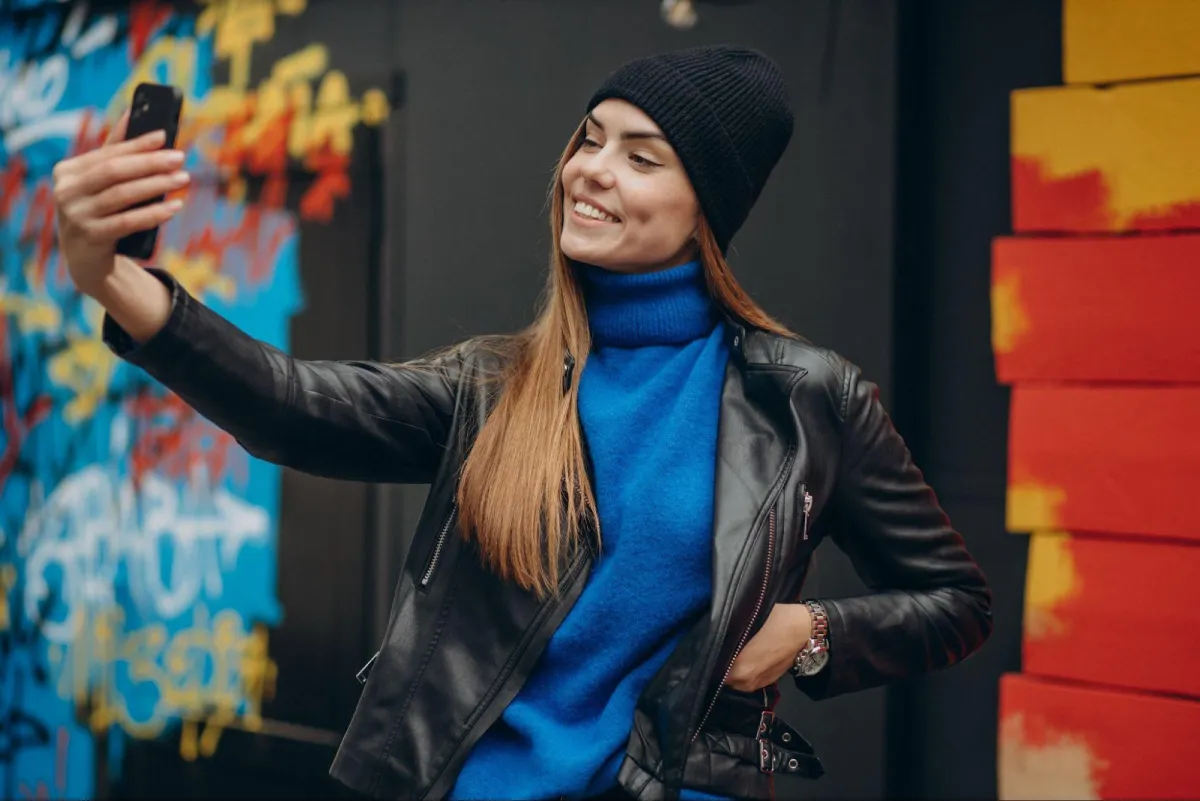
From Trend Cycles to Personal Expression: Why Consumers Are Choosing Meaningful Wardrobes in 2025
Every winter brings a familiar rotation of seasonal garments, from heavier knitwear to thoughtful layering and accessories such as Christmas scarves that appear around festive gatherings and colder city streets. Yet, what was once simply a practical or seasonal styling decision is increasingly connected to something deeper happening across the fashion landscape. In 2025, the most notable shift in personal style is not about which trends are emerging, it is about why individuals are moving away from trends altogether. Consumers are building wardrobes rooted in identity, meaning, and emotional comfort rather than rapid turnover or external validation.
Personal expression has become the new foundation of style, and this shift is reshaping everything from design philosophy to retail behavior.
The Decline of Hyper-Fast Trend Culture
Over the past decade, fashion cycles have accelerated at unprecedented speed. Social media, micro-influencers, and direct-to-consumer marketing allowed trends to rise and fall within weeks rather than seasons. While this generated commercial momentum, it also created fatigue. Consumers found themselves purchasing pieces they admired briefly, only to replace them soon after. The experience was fast-paced but hollow.
Now, trend participation has given way to selectivity. Instead of following what is new, individuals are prioritizing what feels personally aligned. This shift reflects a broader cultural movement toward intentional consumption, where clothing is valued for longevity and relevance rather than its momentary popularity. The wardrobe becomes a curated space rather than a cycle of constant replacement.
Clothing as Emotional and Personal Identity
Personal style in 2025 reflects emotional resonance as much as aesthetic appeal. Clothing has become a medium through which individuals create a sense of familiarity and grounding. The sensory qualities of garments, texture, weight, warmth, movement, contribute to internal experience, not just outward appearance.
Research from the London College of Fashion’s Centre for Sustainable Fashion highlights that garments associated with memory and emotional connection are worn significantly longer than trend-based items. Pieces that evoke comfort, belonging, or personal story remain relevant over time, regardless of changes in seasonal trend direction.
This explains the renewed appeal of heritage textiles, natural fibers, and crafted details. They support identity through continuity rather than novelty.
The Role of Culture and Place
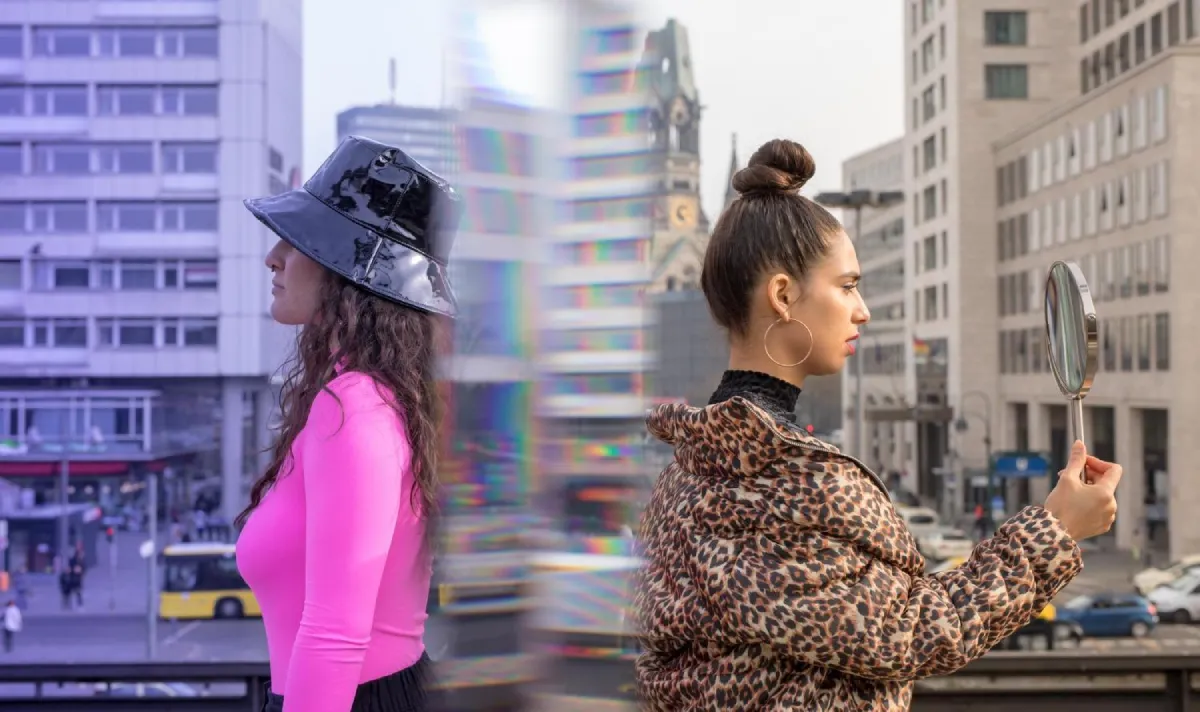
Identity is shaped not just by individual preference, but by environment, heritage, and community. Consumers are increasingly choosing clothing that reflects their cultural background, geographic roots, or lifestyle setting. Winter wardrobes may incorporate regional craftsmanship, while city wardrobes emphasize layering for pace and movement. Instead of adopting external style cues, individuals are forming visual languages that align with their lived context.
This movement rejects uniformity in favor of specificity. Two people may purchase similar garments, but the meaning and styling differ based on personal story.
Fashion becomes less about comparison and more about articulation.
Quality and Longevity as Modern Luxury
The idea of luxury has shifted. It is no longer defined by exclusivity, branding, or rarity. Luxury in 2025 is measured by durability, feel, and the ability of a garment to remain relevant and functional over time. A well-made piece does not need to declare itself. Its value becomes apparent through repeated wear, comfort, and the ease with which it integrates into daily life.
This aligns with the growth of slow fashion and sustainability-driven design practices. The European Environment Agency reports that extending the lifespan of clothing by just nine months reduces its environmental impact significantly, reinforcing why consumers are choosing fewer but better-made pieces.
Quality is no longer an optional upgrade. It is a cultural expectation.
Personal Expression as the Future of Style
As wardrobes become more intentional, they also become more individual. People are dressing to express their inner world rather than to follow external directions. This shift creates a more diverse fashion landscape, where personal narrative holds more value than uniform interpretation.
The future of style is not trend-led. It is relationship-led. Garments that remain year after year form a personal archive that evolves with the wearer. Meaning becomes the organizing principle.
Consumers are choosing meaningful wardrobes because clothing has moved beyond appearance. It now intersects with identity, memory, comfort, sustainability, and emotional presence. This shift suggests that the era of trend-driven fashion is giving way to a more personal, grounded, and enduring approach to style.
Wardrobes are becoming not just collections of garments, but reflections of self.


Leave a Reply