
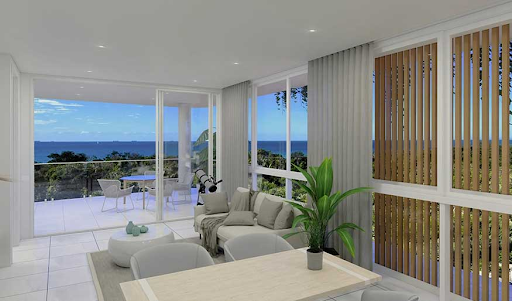
How 3D Renders and Design Help Clients See Before They Buy
One of the biggest challenges in design whether it’s construction, interiors, or product development is helping clients truly see what they’re getting before any real-world work starts. Sketches and flat drawings can only go so far. This is where immersive 3D visualization has become a game-changer. With innovative companies like PlanIt VR, creators can walk clients through a design in a way that feels tangible and real. Instead of imagining a space, clients can step into it virtually, explore every corner, and get a genuine sense of what it will feel like when everything is completed.
Why 3D Renders Have Become the New Standard
3D rendering used to be a nice bonus, something you’d get when the budget allowed it. Today, it has become an expectation. People want clarity. They want confidence in their investment. And they want reassurance that the vision they approved on paper will look the same once it’s built.
Detailed renders give clients that confidence. They can see materials, lighting, textures, spatial flow, and even small design touches that often get overlooked in 2D drawings. When a client says, “Now I get it,” it’s usually thanks to a well-executed render that bridges that gap between technical planning and real-life experience.
Virtual Reality: A New Way to Explore Design
While realistic imagery is powerful, VR takes the experience a step further. Instead of viewing an image on a screen, clients can put on a headset and walk inside the design. They can look around naturally, just as they would in a finished building or product showroom.
This creates a level of emotional engagement that simply isn’t possible through traditional presentations. Clients feel involved. They feel like they’re part of the creative decision-making rather than just observers. And that emotional connection often leads to better communication, smoother approvals, and fewer revisions.
Reducing Mistakes and Costly Revisions
Many designers say the biggest value of 3D visualization isn’t just the impressive look, it’s the clarity. When clients can truly see what’s planned, the margin for misunderstanding drops dramatically.
Here’s what this clarity solves:
- Fewer design revisions
- Faster client approvals
- Better communication between teams
- Reduced risk of expensive onsite changes
- More accurate expectations from start to finish
Mistakes in construction or design often come from assumptions. 3D renders remove those assumptions by presenting the final outcome in a crystal-clear format.
Boosting the Client Designer Relationship
A lot of trust goes into creative projects. When clients invest money and time into something, they want reassurance that their vision is being respected. High-quality 3D renders help create that reassurance.
Clients are more confident when they can visualize what they’re paying for. Designers benefit too: they can explain their ideas more clearly, show alternatives instantly, and prevent misunderstandings that sometimes strain working relationships. In the end, both sides walk away feeling more aligned and connected throughout the project.
Where Presentation Meets Professional Branding
Having great visuals is one thing. Presenting them in a polished, consistent, professional way is another. This is where mid-project branding becomes part of the conversation. Designers and creators want their work to stand out, and clients want to feel like they’re stepping into a quality experience, not just receiving files over email.
Companies like Brands On Cue play an important role here. They offer a curated, premium-feeling space to present visual work in a way that enhances the designer’s brand. Instead of scattered links or basic folders, teams can showcase 3D renders, design samples, and VR tours in a manner that reflects the care and quality behind the work. Good presentation makes a difference, not only in how clients perceive the project but also in how they perceive the company delivering it.
The Emotional Impact of Seeing Before Buying
Visualizing a future space or product creates excitement. When people can see and feel the outcome before construction begins, they become emotionally invested in the vision. That investment leads to greater satisfaction, faster decisions, and a more energized collaboration between clients and creators.
It’s the same reason people love mock-ups, samples, and prototypes, seeing brings ideas to life. But 3D rendering and VR make that experience more vivid and more realistic than ever before.
3D Visualization as a Decision-Making Tool
Clients often struggle with decisions about layout, materials, colors, and lighting. These choices can feel abstract until they’re seen in context. 3D renders solve that problem by placing all decisions inside the scene itself. Clients can compare options side by side, walk through multiple versions, and make confident choices backed by clear visual insight.
This leads to:
- Stronger final results
- More informed clients
- Fewer last-minute changes
- A smoother workflow for everyone involved
Good design isn’t just about creativity, it’s about decision-making. And nothing supports decision-making like clarity.
Looking Ahead: The Future of Design Presentation
As technology evolves, 3D rendering and VR will continue to transform the design industry. We’ll see even more interactive features, more realistic environments, and tools that allow clients to personalize their space in real time. What once felt futuristic is becoming the new normal.
For designers, builders, and creators, adopting this technology isn’t just about staying modern, it’s about giving clients an experience that feels transparent, exciting, and meaningful. And for clients, it’s a chance to truly see and understand their investment before it becomes reality.


Leave a Reply