
How AI is Shaping the Future of B2B Manufacturing Marketing
As a result of growing competition, slower purchasing cycles, and more complicated customer demands, the manufacturing sector is rapidly undergoing digital transformation. B2B firms are using AI to improve their marketing efforts in order to stay competitive.
By automating crucial procedures, enhancing targeting, and optimizing content, artificial intelligence is revolutionizing how manufacturers locate, interact with, and convert customers.
This blog will examine how AI is changing B2B manufacturing marketing and the tactics manufacturers may employ to maintain their competitive edge.
Key Takeaways:
- Target the right buyers with messages shaped by real behavior and firm data.
- Spot high-intent leads early and direct sales effort where it matters most.
- Run smoother campaigns because routine steps update themselves.
- Time promotions are better by following demand and inventory signals.
- Give every visitor content that shifts based on their actions.
AI-Powered Customization on a Large Scale
Although personalization has always been crucial, AI is increasing its accuracy and efficiency. 50% of respondents in the industrial and professional services sectors currently use AI for B2B marketing, and 80% intend to use it within the next year.
Manufacturers can use AI to automatically modify content for every consumer based on firmographic and behavioral data.
- Automatically Customize Messaging: Each contact receives a personalized email, advertisement, and landing page.
- Use of Behavioral Data: To customize messaging, AI keeps track of interactions, purchases, and browsing history.
- Firmographic Segmentation: Information such as job titles, industry, and firm size can be used to tailor communications for various positions within an organization.
Manufacturers may increase the likelihood of engagement and conversion by creating more relevant experiences for their prospects through automated customisation at scale.
Lead Scoring and Predictive Targeting
By utilizing lead scoring and predictive analytics to find high-value possibilities, AI enables more precisely focused marketing efforts.
- Predict Buyer Behavior: To determine when a lead is most likely to convert, AI examines both past and current data.
- Lead scoring: Sales teams can prioritize high-value leads by using AI to assess leads according to their probability of becoming clients.
- Targeted Outreach: Manufacturers can increase overall conversion rates by concentrating on leads that exhibit the greatest potential thanks to AI.
Manufacturers can increase conversion rates by optimizing their marketing and sales activities through precise lead scoring and purchase pattern forecasts.
Automated Workflow and Campaign Execution
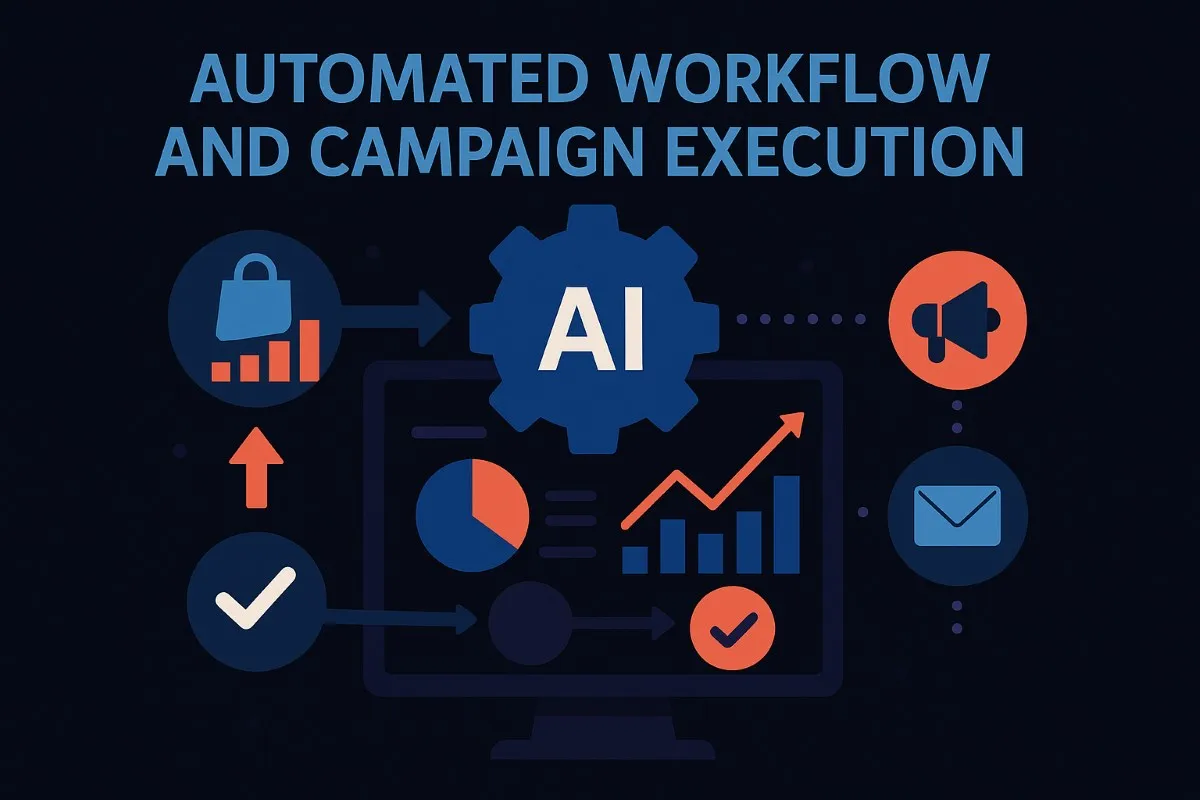
AI makes it possible to run multichannel campaigns more quickly and effectively by eliminating a large portion of the manual labor involved.
- Real-Time Product Data: AI creates and launches campaigns on time using inventory and product data.
- Automated Content review: This expedites the review process by classifying and approving content according to predetermined criteria.
- Multichannel Campaigns: AI can ensure a unified marketing approach by automating the execution of campaigns across social media, email, advertisements, and more.
Manufacturers can conduct complicated marketing campaigns at scale and with ease by automating campaign execution and management, freeing up critical time for strategic activities.
Inventory Optimization and Demand Forecasting
Manufacturers may ensure that their marketing tactics are always in line with market demand and inventory levels by using AI solutions.
- Market Trend Predictions: AI uses past data to predict demand trends, which helps marketers better time their promotions.
- Inventory Optimization: By anticipating which products would see higher demand, AI can assist in preventing overstock or stockouts.
- Sales Alignment: By coordinating marketing initiatives with actual inventory availability, the appropriate products are advertised at the appropriate times.
Manufacturers may better plan their marketing campaigns, cut waste, and make sure their marketing budgets are spent properly by utilizing AI to estimate demand.
More Astute Marketing and Pricing
AI uses data analysis to help manufacturers maximize profits by optimizing pricing tactics and promotional offers.
- Price Optimization: To suggest the ideal price points, AI examines pricing trends, rival pricing, and consumer behavior.
- Promotional Timing: Based on consumer behavior and market conditions, AI chooses the ideal times to offer discounts or promotions.
- Dynamic Adjustments: AI may instantly modify pricing and promotional tactics in response to shifting market conditions.
Manufacturers may increase their profitability and maintain market competitiveness with AI-driven pricing and promotion tactics.
Improved Segmentation and Customer Insights
AI gathers consumer data from several sources to create a more comprehensive picture of consumer preferences and behaviors.
- Unified Customer perspective: AI creates a 360-degree perspective of the customer by combining CRM data with engagement and product usage data.
- Advanced Segmentation: To ensure more timely and appropriate marketing, customers are divided into groups based on their tech stack, needs, and purchasing history.
- Improved Customer Understanding: AI facilitates the creation of categories based on more than simply demographics, such as purchasing patterns, enabling more focused advertising.
Manufacturers are able to develop highly focused ads that precisely address certain client demands because of this deeper level of customer understanding.
AI-Powered Content Creation and Dynamic Web Experiences
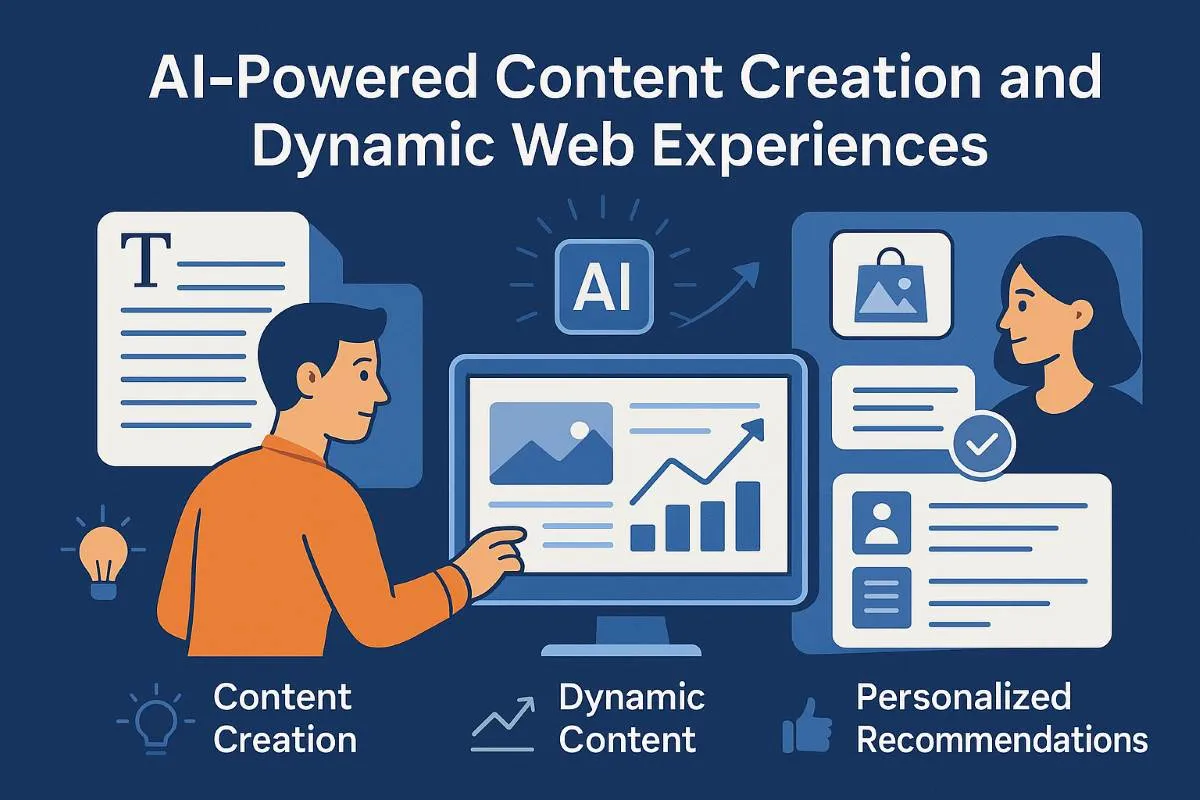
AI-Powered Content Production and Adaptable Online Experiences
By automating the large-scale production of pertinent, customized information, artificial intelligence is transforming the content creation industry.
23% of B2B decision-makers are in the process of deploying generative AI use cases for purchasing and selling, while 19% have already done so.
- Content Creation: Based on user interests and surfing habits, AI may automatically produce technical articles, manuals, and case studies.
- Dynamic material: AI makes sure that material on websites changes instantly in response to visitor activity, providing each user with the most pertinent information.
- Personalized Recommendations: Based on a user’s interactions with the website, AI-powered algorithms suggest goods, articles, or case studies.
Manufacturers can guarantee that their audience receives the most pertinent information by using AI in content development and online experiences, increasing engagement and conversion.
Simplified Alignment of Sales and Marketing
AI ensures that the sales and marketing teams are using the same data and insights by bridging the gap between them.
- Common Dashboards: Sales and marketing teams have a single view of lead status, campaign performance, and engagement data thanks to AI-powered dashboards.
- Lead Quality Insights: Sales teams concentrate on the most promising prospects when AI highlights the highest-potential leads.
- Efficiency of Collaboration: Real-time collaboration between sales and marketing departments ensures a consistent message and a more seamless handoff process.
Manufacturers may increase conversion rates and improve client experiences by streamlining their sales and marketing processes through the use of AI to enhance team communication.
FAQs
Q: How does AI improve marketing for B2B manufacturers?
AI analyzes real behavior and firm data to target the right accounts, personalize messages, and time outreach. You get stronger engagement and faster movement through long sales cycles.
Q: What is the biggest benefit of AI in lead management?
AI ranks leads by purchase likelihood and flags high-value accounts. Your sales team focuses on prospects who show clear intent instead of working through every contact.
Q: How does AI help with content in manufacturing marketing?
AI produces technical content, updates pages based on visitor behavior, and recommends resources. Your audience sees information that fits their needs without extra manual work.
Final Thoughts
Manufacturers may rapidly make data-driven changes because of AI’s real-time input on the effectiveness of their marketing campaigns.
- Instant Feedback: AI evaluates the effectiveness of campaigns across all platforms and offers immediate insights into what is and is not working.
- Continuous Campaign Optimization: AI makes recommendations for campaign modifications based on real-time performance data and experiments with several iterations to optimize efficacy.
- Actionable Insights: By implementing AI’s suggestions, marketing teams may maximize future efforts and enhance the effectiveness of ongoing initiatives.
Manufacturers can make sure that their marketing strategies are constantly changing and improving for better outcomes by using AI-powered continuous optimization.


Leave a Reply