
How Law Firm Website Design Impacts Client Decisions After a Personal Injury
When someone suffers an injury, their world shrinks to immediate pain and uncertainty. They often search for a personal injury lawyer online, and within milliseconds, their brain forms a judgment about the law firm’s credibility. A website is no longer just a digital brochure; it acts as the first handshake. If that digital interaction feels chaotic or slow, the potential client leaves immediately.
A law firm website has only seconds to prove competence and reassure injured visitors. Design choices signal whether a firm is organized and empathetic or outdated. This visual assessment often outweighs years of courtroom success because a confused mind always says no.
How Do Visual Cues Build Instant Trust?
Trust is established before a single word is read. The visual language of a site communicates authority and safety. Here is how specific design elements work together to create a subconscious feeling of security for the visitor:
High-Quality Imagery and Real Faces
Stock photos of gavels feel impersonal and cold. Using high-resolution images of the actual attorneys and their office staff creates a necessary human connection. Seeing a genuine face reassures the visitor that there are real people ready to help them, not just a generic, faceless corporation.
Use of White Space and Typography
Crowded pages signal a disorganized practice. Generous white space allows the eyes to rest and guides the reader toward the most important information. Clear, large typography ensures that even those with potential head injuries or vision issues can read the advice without straining their tired eyes.
Strategic Directory Placement
External validation reinforces internal claims. Being listed on a reputable personal injury lawyer directory like ServeTheInjured signals that the firm has been vetted by neutral third parties. Displaying these badges subtly near the footer or bio sections adds a vital layer of institutional credibility.
Why Does Cognitive Load Matter for Injured Visitors?
Injured individuals are operating with reduced cognitive capacity. Pain medication, stress, and financial worry consume their mental energy, leaving little room to figure out complex site menus and structures. When a site bombards a visitor with pop-ups, flashing banners, or dense walls of text, it triggers a stress response. The user physically cannot process the information and will abandon the page for a simpler alternative.
Simplicity acts as a form of genuine empathy. By stripping away unnecessary elements and focusing on a clear path to contact, a firm demonstrates it understands the user’s current state. Reducing friction isn’t just a design preference; it is an acknowledgment of the physical reality the client faces.
What Role Does Site Speed Play in Retention?
A slow website is often interpreted as a slow law firm. In the digital age, speed equals efficiency. If a page takes more than three seconds to load, the majority of mobile users will bounce back to the search results pages. This creates a perception of incompetence before the firm even gets a chance to showcase its legal expertise.
Technical performance is a direct reflection of professional standards. Clients assume that if a firm cannot maintain a fast, functional website, they might also miss filing deadlines or delay case updates. This expectation of efficiency extends beyond the digital front door. Many small firms are adopting automation or outsourcing tasks like document review to stay efficient and cost‑effective, reinforcing the perception that speed and organization are part of their culture. Ensuring lightning-fast load times is a foundational requirement for retaining anxious visitors who need immediate answers to their pressing legal problems.
How Does Mobile Responsiveness Affect Credibility?
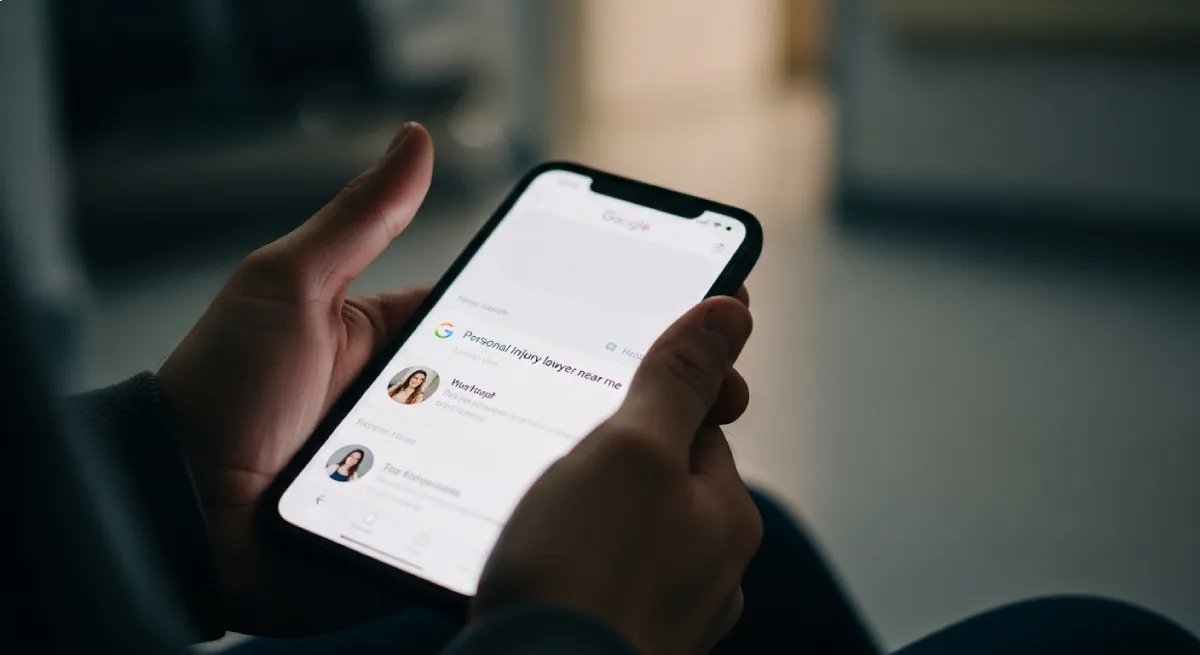
Most personal injury cases begin with searches made on a smartphone, not a desktop computer. The first search for legal help usually occurs on a smartphone in a hospital waiting room or at the scene of a crash. If a site requires pinching and zooming to read a phone number, the user loses patience instantly. A seamless mobile experience is mandatory for capturing these urgent leads.
Google also prioritizes mobile-first indexing, meaning non-responsive sites disappear from search results. Beyond algorithms, a responsive design tells the client that the firm is modern and accessible. It provides a smooth experience where the “Call Now” button is always within thumb’s reach, removing all barriers to that first essential contact.
Where Do Testimonials and Case Results Fit In?
Claims of excellence mean nothing without proof. Social proof serves as the evidence that backs up the marketing promises. Here is how to structure these validation elements to maximize their impact on a skeptical reader:
Verifiable Client Reviews
Generic quotes without names lack authenticity. Displaying reviews from third-party platforms like Google or distinct video testimonials builds significantly more trust. Clients want to hear the story of someone who was in their shoes and found a resolution, validating their own difficult decision to call.
Specific Case Outcomes
Listing dollar amounts alone can seem transactional. Contextualizing results with brief descriptions of the injury and the legal challenge overcome is far more effective. It demonstrates the firm’s ability to handle complexity and fight for justice, rather than just processing claims for fast, quick cash.

What Steps Can Firms Take to Improve Conversion?
Start by auditing the current “Contact Us” forms. Reduce the number of required fields to the absolute minimum; name and phone number are often more than enough to start. Every additional field increases the likelihood of abandonment. Ensure that the call-to-action buttons use high-contrast colors like orange or blue to stand out against the background, guiding the eye naturally.
Next, implement a click-to-call feature in the sticky header. This ensures that no matter how far down a user scrolls, the ability to get help is visible. Finally, review the site on multiple devices to catch any layout shifts that might block text. Small technical fixes often yield the highest return on investment.
Frequently Asked Questions
How often should a law firm update its website design?
Technology and user expectations evolve rapidly. A complete redesign should happen every three to four years, but technical maintenance, speed optimization, and content updates must occur monthly to ensure the site remains functional and competitive in search rankings.
Does color psychology really impact client conversion rates?
Yes, colors evoke subconscious emotional responses. Blue typically conveys trust and stability, while black can imply luxury or severity. Using aggressive colors like bright red might signal danger, which can be counterproductive when trying to reassure a traumatized client.
Is it better to have a long or short homepage?
Long scrolling homepages generally perform better for law firms. They allow the firm to tell a complete story, introducing the team, explaining the process, and showing results, without forcing the user to click through multiple pages to find value.
How important is video content for a personal injury site?
Video is highly effective because it builds a personal connection faster than text. A short welcome video from the lead attorney allows the potential client to hear their voice and gauge their demeanor, significantly increasing the likelihood of a consultation.


Leave a Reply