
How Mobile Gaming Is Shaping the Future of Entertainment
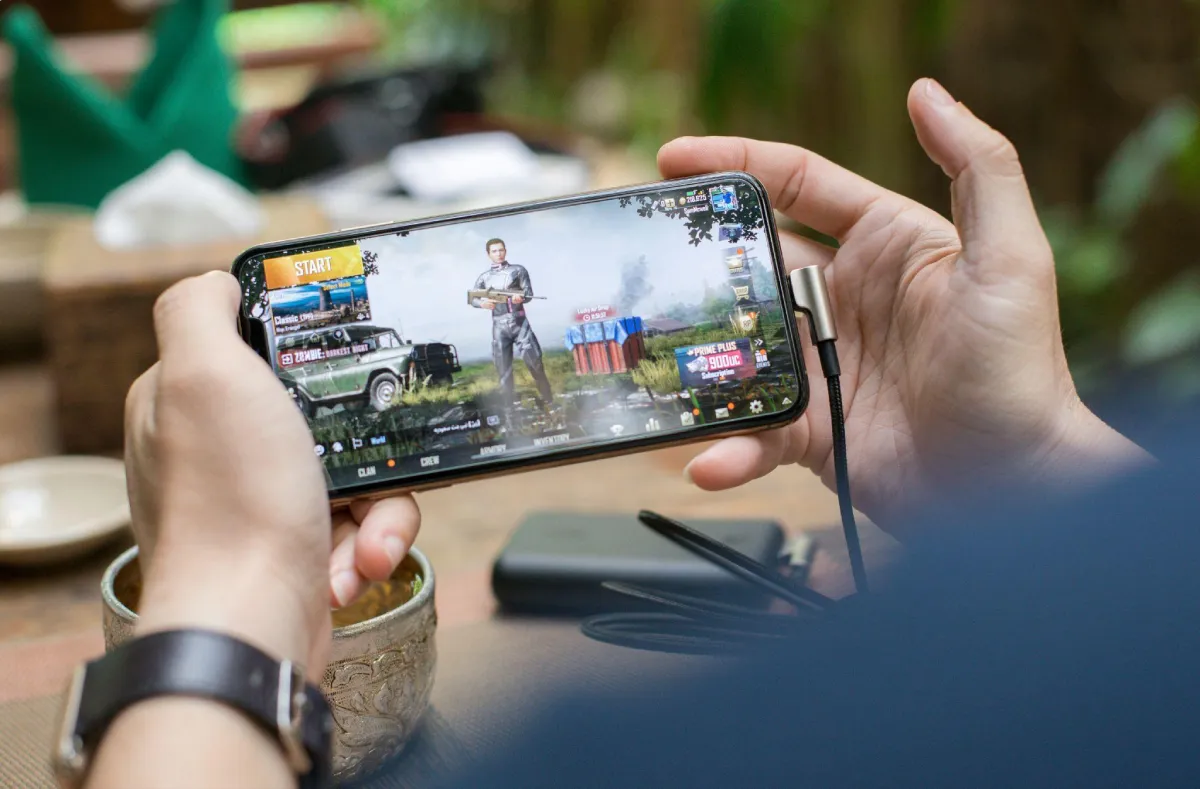
Entertainment has always evolved alongside technology, but few shifts have been as rapid and far-reaching as the rise of mobile gaming. What began as simple time-fillers on early smartphones has grown into a global ecosystem that now rivals film, television, and console gaming in reach and cultural relevance. Mobile gaming is no longer a secondary format; it is increasingly the default way people engage with interactive entertainment.
This transformation is not only about convenience. It reflects deeper changes in how audiences consume media, how platforms compete for attention, and how entertainment fits into everyday life. Within this landscape, mobile-first environments such as Fruity King illustrate how entertainment experiences are being tailored specifically for on-the-go interaction, with design choices that prioritise touch-friendly interfaces, fast load times, and visual clarity.
Entertainment That Fits Into Daily Routines
One of the defining strengths of mobile gaming is how seamlessly it integrates into daily routines. Unlike console or PC gaming, which often requires dedicated time and space, mobile games are designed for fragmented moments. A commute, a lunch break, or a few minutes before bed can all become opportunities for play.
This shift has altered expectations around entertainment more broadly. Audiences are increasingly drawn to experiences that adapt to their schedules rather than demanding long, uninterrupted sessions. Mobile gaming has helped normalise this on-demand, modular approach, influencing everything from streaming habits to social media design.
The result is entertainment that feels less like an event and more like a continuous layer woven into daily life.
Accessibility and the Expansion of Gaming Audiences
Mobile gaming has dramatically lowered the barriers to entry. Smartphones are already widely owned, removing the need for specialised hardware. This accessibility has expanded gaming audiences beyond traditional demographics, bringing in players who may never have considered themselves gamers before.
Age, location, and prior experience matter less in mobile gaming environments. Interfaces are often intuitive, tutorials are built into gameplay, and sessions can be as short or as long as the player chooses. This inclusivity has reshaped the industry’s understanding of who its audience is.
As a result, mobile gaming has become one of the most culturally diverse segments of entertainment, reflecting a wide range of tastes, play styles, and motivations.
The Role of Mobile Gaming Platforms
As mobile gaming has matured, platforms have become more specialised and experience-driven. Rather than offering generic libraries, many now focus on performance, design clarity, and ease of use on smaller screens.
Design choices prioritise touch-friendly interfaces, fast load times, and visual clarity, all of which reflect broader expectations around mobile usability across entertainment sectors.
These platforms are not simply shrinking desktop experiences; they are rethinking interaction entirely around mobile behaviour.
Short-Form Engagement and Attention Economics
Mobile gaming has also influenced how the entertainment industry thinks about attention. Rather than competing for hours at a time, many mobile experiences are designed around frequent, shorter interactions. This aligns with how people now consume news, video, and social content.
The economics of attention have shifted accordingly. Engagement is measured not just by session length, but by return frequency and sustained interest over time. Mobile games that succeed tend to offer a sense of progression that unfolds gradually, encouraging repeated interaction without overwhelming the player.
This model has influenced entertainment beyond gaming, contributing to the rise of episodic content, bite-sized media, and ongoing live-service formats.
Social Interaction in a Mobile Context
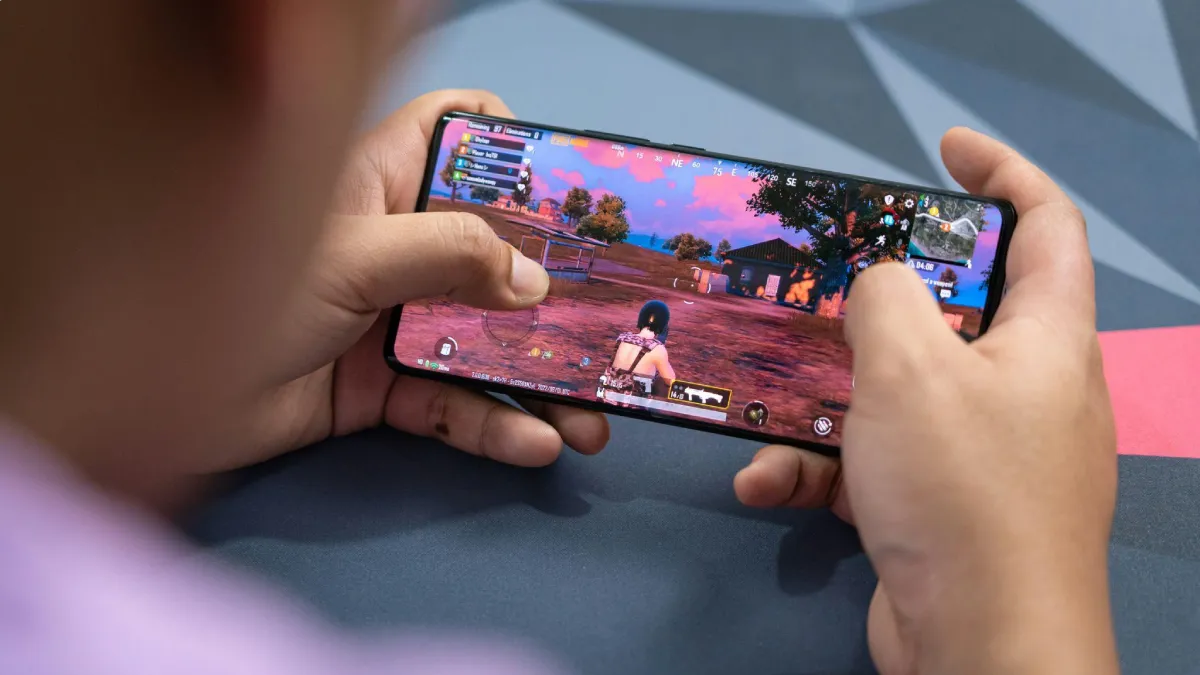
Contrary to early assumptions, mobile gaming has not isolated players. Many mobile games now incorporate social elements that foster connection, competition, and shared experience. Leaderboards, cooperative modes, and community events allow players to interact without needing to be online simultaneously.
These lightweight social features fit well with mobile habits. Interaction is often asynchronous, allowing players to engage at their own pace. This flexibility has made social gaming more accessible, particularly for players balancing work, family, and other commitments.
Mobile gaming has helped redefine what social interaction in entertainment can look like, moving beyond real-time chat toward more adaptable forms of connection.
Blurring the Lines Between Gaming and Other Media
Mobile gaming increasingly overlaps with other forms of entertainment. Visual styles borrow from animation and film, sound design rivals that of traditional media, and narratives are delivered episodically in ways similar to streaming series.
At the same time, gaming mechanics have influenced non-gaming platforms. Progress bars, rewards, and interactive feedback loops are now common in fitness apps, education tools, and productivity software. Mobile gaming has played a significant role in normalising these mechanics.
This cross-pollination suggests that mobile gaming is not just another entertainment category, but a design language shaping how digital experiences are built more broadly.
Economic Impact and Industry Growth
From an industry perspective, mobile gaming represents one of the fastest-growing segments of global entertainment. Lower development costs compared to console titles, combined with vast potential audiences, have attracted both independent studios and major publishers.
The economic model has also diversified. Subscription access, in-app purchases, and live content updates allow developers to support games over longer periods. This ongoing relationship between creators and players reflects a shift away from one-time transactions toward sustained engagement.
According to analysis published by the Organisation for Economic Co-operation and Development (OECD), digital entertainment sectors that emphasise accessibility and mobile delivery are among the most resilient areas of the modern creative economy, particularly as consumer habits continue to fragment across devices.
The Future of Mobile-First Entertainment
Looking ahead, mobile gaming is likely to play an even greater role in shaping entertainment norms. Advances in device performance, cloud connectivity, and cross-platform integration will continue to blur distinctions between mobile and other formats.
What is unlikely to change is the central appeal of mobile gaming: its ability to meet audiences where they are. As entertainment becomes increasingly personalised and portable, mobile-first design principles are likely to influence everything from storytelling to monetisation strategies.
Rather than replacing traditional entertainment, mobile gaming is redefining its context. It has shown that engaging experiences do not need to be bound to specific locations or long time commitments to be meaningful.
Why Mobile Gaming Matters Beyond Play
Mobile gaming’s significance lies not only in what people play, but in how it has reshaped expectations around access, flexibility, and engagement. It has helped normalise entertainment that adapts to real life rather than interrupting it.
As audiences continue to prioritise convenience without sacrificing quality, mobile gaming offers a model for how entertainment can evolve sustainably. Its influence now extends well beyond games themselves, shaping the future of digital culture as a whole.
In that sense, mobile gaming is not just a trend. It is a framework for how entertainment fits into modern life, and a signal of where it is heading next.


Leave a Reply