
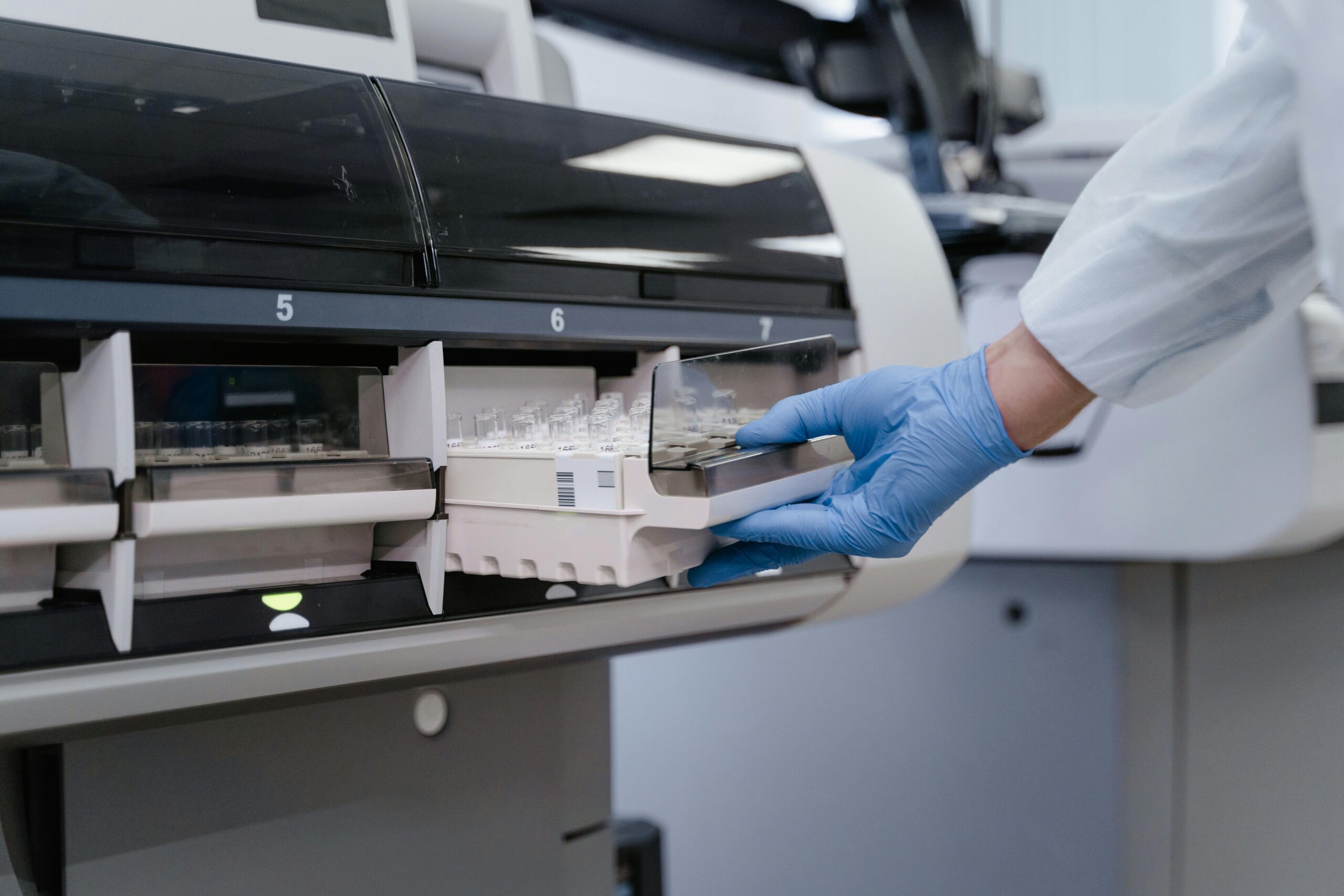
How Plasma Separators Work: A Complete Guide for Beginners
Modern medicine and laboratory diagnostics utilize the plasma separator quite extensively. It’s a hugely important part of blood analysis — used by doctors to obtain information they can use to make diagnoses, develop treatments, and conduct research. Whether you are a student, a medical practitioner, or a person with curiosity about laboratory tools, this guide will help you get a good grasp of what a plasma separator is and what it does.
What Is a Plasma Separator?
A plasma separator is a system or method used for the separation of plasma (liquid portion of blood) from the cellular components (e.g., RBC, WBC, Platelets) of a blood sample. Plasma accounts for about 55% of the volume of human blood and is composed largely of water, salts, enzymes, antibodies and other proteins.
Plasma Separation
The focus of a plasma separator is on effectively isolating this plasma – free from any other blood elements – for laboratory testing. It is also used for testing glucose levels, liver functions, hormone levels, infections and numerous other health conditions.
Why Plasma Separation Matters
The plasma also transports vital substances through the body and is a distinct treasure trove of information for medical scientists. If plasma is not separated from blood cells properly, testing process results may be incorrect and even lead to incorrect interpretations. For instance, if red blood cells burst during processing (a phenomenon called hemolysis), they can release contents into the plasma and alter the accuracy of a test.
In medical laboratories, speed and accuracy are paramount. It’s why plasma separators aren’t just good at extracting plasma efficiently, but also at providing a high-quality, reliable test sample that you can trust.
Key Components of Blood
To understand plasma separation, it’s helpful to know what blood is composed of first. Whole blood includes many parts:
- Red blood cells (erythrocytes) – To bring oxygen from the lungs to the body.
- White blood cells (leukocytes) – Fight infections in the body.
- Platelets (thrombocytes) – Assist in clotting of the blood.
- Plasma – A yellow liquid that consists of water, proteins, electrolytes, hormones and waste.
Because plasma is less dense than the cellular elements, it normally separates when blood is properly processed through a plasma separator.
Types of Plasma Separators
There are a variety of different plasma separators, each of which extracts plasma in a different way.
Plasma Separators Based on Centrifugation
These are the most frequent-used devices. Blood is put in a tube and spun at high speed by a machine called a centrifuge. Heavier components like red blood cells are pushed to the bottom of the tube by the centrifugal force, while the lighter plasma floats to the top. This is a well-established and fast protocol utilized routinely in research and clinical laboratories.
Membrane-Assisted Plasma Separation
In this variant of the device, a special membrane or filter permits only plasma to pass through and not the larger blood cells. These can be used in point-of-care systems and portable test kits. They offer an advantage on a field application or in the case of a small blood sample being needed.
Plasma Gel Tubes
Those are special blood tubes with gel. The gel serves as a barrier between the plasma and the blood cells during centrifugation of the sample. This allows the plasma to be transported without mixing or contaminating. These tubes are often accepted for routine blood specimen collections.
How a Plasma Separator Works
The precise way this is achieved depends on the type of separator, but on the whole the principle is the same no matter which laboratory you are in. This is a play-by-play of exactly how a plasma separator works, especially with the help of a centrifuge:
Specimen Collection
Blood is collected from a patient in a tube specially designed for drawing blood that typically contains an anti-coagulant to prevent clotting.
Prep for Separation
The tube is placed in a centrifuge, a machine spins samples at high speed to separate components by density.
Centrifugation
The sample is rotated at high RPM for a few minutes. Meanwhile, the red blood cells, the heaviest component, settle at the bottom. White blood cells and platelets make up a thin middle layer that is called the “buffy coat.” At the top is plasma, the lightest ingredient.
Plasma Collection
Following centrifugation, the plasma at the top is separated using pipetting or automated extractors. If a separation gel is used, this gel barrier isolates the plasma from the blood cells while in transit.
This procedure is also cost-effective and aids in establishing the plasma collected is void of cell contamination, where this detection is a fundamental aspect of testing.
Advantages of Plasma Separators
The plasma separator has several applications in a clinical and research environment:
- Reliable Results: Cleanly separating plasma from blood cells the device ensures dependable, consistent and accurate test results.
- Rapid Sample Preparation: It is particularly important in a hectic clinical workflow that the process is time-saving, and plasma separators definitely make that possible.
- Less Contamination: Gel separator and leucocyte depletion filter help reduce chance of cell contamination of the plasma.
- Ease of Use: Most plasma separators are simple to use and little training is needed for routine operation.
General Uses of Plasma Separation
Plasma separators are known in the art and are applied in numerous fields:
- Medical Diagnostics: Used for regular blood tests, such as liver, kidney, and infection testing, including Fatty liver disease testing in routine clinical assessments.
- Blood Banks: To obtain plasma for transfusions or to preserve it for later use.
- Pharmaceutical Research: Plasma is used in drug studies to measure how drugs are metabolized by the body.
- Veterinary Labs: Plasma testing is conducted for animals as well for disease diagnosis and treatment strategy.
- Biotech Development: Scientists tap plasma to examine proteins, antibodies, and other biomolecules.
Tricks for Successful Plasma Separation
To get the best results with a plasma separator, here are some tips:
- Use the Right Tubes: Always use appropriate blood collection tubes with anticoagulants to avoid clotting.
- Prevent Hemolysis: Be gentle when handling the sample, as red blood cells are fragile and can break apart, contaminating the plasma sample.
- Read Manufacturer Settings: Each separator and centrifuge may have unique settings for best results.
- Cold Store the Samples: Separated plasma must be stored at the right temperature to ensure the specimen remains uncontaminated until being tested.
Plasma Separation Challenges
While the process is relatively simple, there are some complications to watch out for:
- Clotted Samples – Often caused by poor mixing or anticoagulant omission.
- Reduced Plasma Volume – Improper centrifugation or handling may lead to lower yield.
- Cell Contamination – Poor technique or equipment issues can allow blood cells to enter the plasma layer.
Many of these issues are preventable with training, maintenance of equipment, and following protocols.
Future of the Plasma Fractionation Market
With the advancement of technology, plasma separators are being made more efficient and compact. Novel microfluidic systems are under development for separations of plasma from extremely small blood samples in as little as seconds. These advancements can be particularly valuable in areas with few resources, or in disaster situations where standard laboratory instruments are unavailable.
Automation is also more prevalent these days and can enable batches of samples to be processed in high volume at hospitals and diagnostic labs. Personalized medicine and high-end diagnostics are on the rise, and therefore, plasma separators will remain core providers of the medical community.
Conclusion
Knowing how a plasma separator functions is critical for those in the medical diagnostics, lab science or biological research space. They may not look like much, but these instruments play an important role in making sure that blood samples are turned around quickly and with the best possible accuracy.
From your yearly check-ups to cutting-edge biotech research, the plasma separator is a little-known workhorse in the health industry and science, quietly making it possible for new discoveries and treatments to reach people. This is a solid introduction to the significance and operation of this important laboratory tool for novice users.


Leave a Reply