
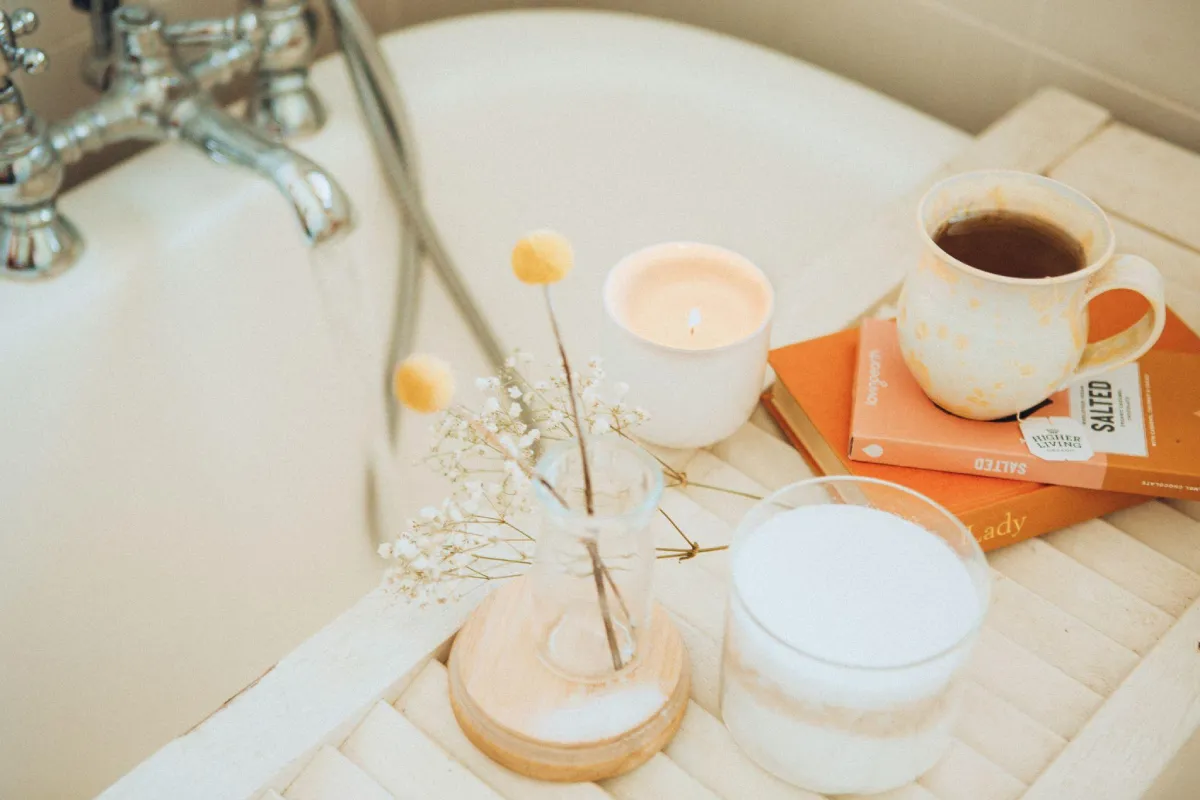
How Small Self-Care Rituals Influence Daily Well-Being
Self-care rarely arrives in dramatic forms. Most of the time, it settles quietly into everyday life, hidden inside moments that don’t look important at first glance. A pause before stepping outside. A familiar motion done without thinking. These small gestures don’t announce change, but over time they shape how days feel and how stress is carried.
That’s why objects tied to routine begin to matter more than expected. Something as ordinary as a lip balm set kept nearby can slowly become part of a daily rhythm, a signal of care that doesn’t require effort or planning.
How Scent Shapes Mood Without Effort
Scent works differently than most sensory inputs. It doesn’t wait for logic or attention. It arrives quietly and changes the emotional tone of a space almost instantly. This is why adding a floral fragrance to a routine often feels impactful even when the action itself is small.
Floral scents tend to feel soft rather than sharp. They don’t demand focus, but they linger just long enough to shift how a room or a moment feels. Used consistently, scent becomes a background signal, something the body recognizes before the mind does.
For many people, this makes fragrance less about presentation and more about atmosphere.
Why Small Rituals Tend to Stick
Big self-improvement plans usually rely on motivation, and motivation comes and goes. Small rituals survive because they don’t demand enthusiasm. They fit into existing habits and ask almost nothing in return.
People keep returning to actions that feel neutral or comforting rather than corrective. Applying lip balm, adjusting clothing, or pausing briefly before moving on, these moments don’t feel like tasks. They’re familiar enough to be repeated even on distracted or difficult days.
Over time, repetition gives these gestures emotional weight. What starts as convenience turns into something grounding.
Touch as a Quiet Form of Regulation
Touch is one of the fastest ways the body registers comfort. Texture, pressure, and warmth all communicate safety without needing interpretation.
Small self-care rituals often involve touch for this reason. The act of applying something, smoothing it in, or warming it between the hands slows movement and pulls attention back into the body.
Even when these actions last only seconds, they interrupt tension just enough to be felt.
Repetition and the Feeling of Stability
Rituals become meaningful because they repeat. When something happens at the same time, in the same way, day after day, it creates a sense of stability that doesn’t rely on circumstances.
Morning and evening rituals are especially powerful. They frame the day without needing explanation. The body learns when to prepare and when to let go, even if the schedule changes.
This kind of consistency doesn’t remove stress, but it softens its edges.
The Role of Boundaries in Everyday Care
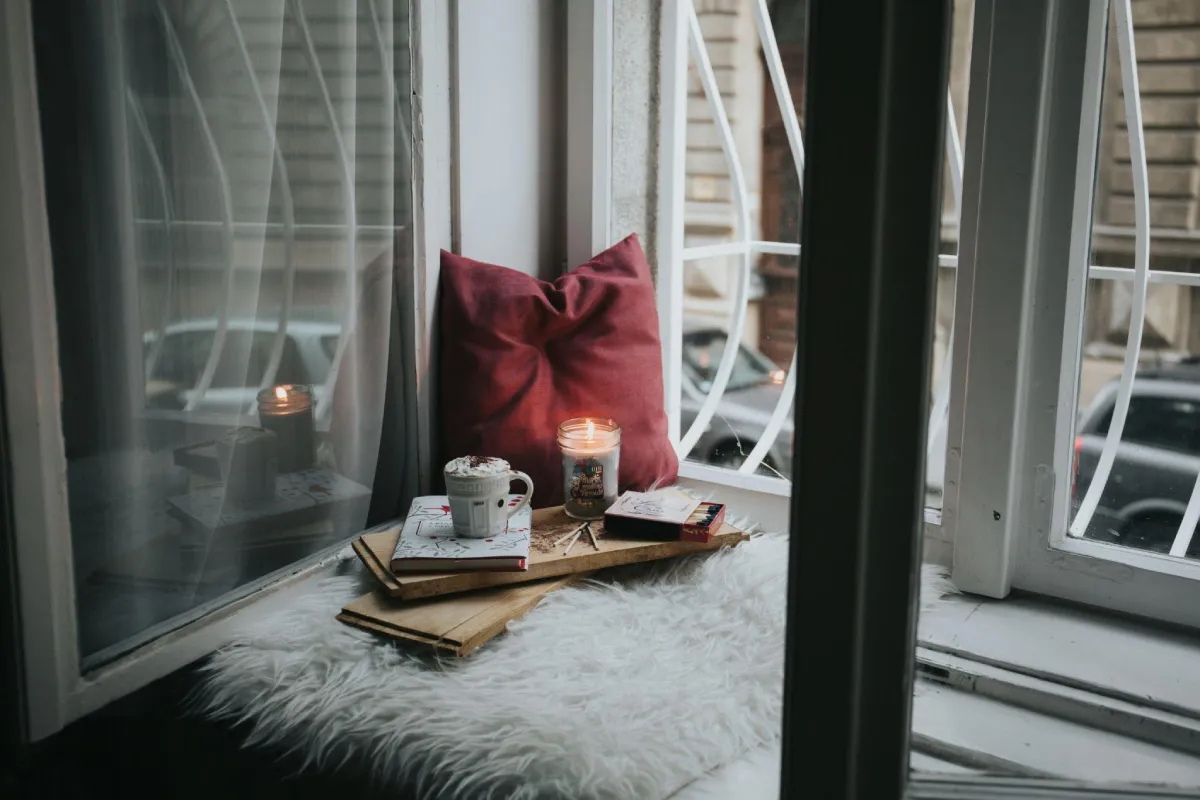
Small rituals often function as boundaries, even if they’re never labeled that way. They separate work from rest, outside from inside, movement from pause.
A familiar action before leaving the house can feel like a transition. A repeated habit at night can signal that nothing else is required for the day. These cues help the nervous system settle without needing conscious effort.
Boundaries don’t always need rules. Sometimes they only need repetition.
Why Self-Care Works Best When It’s Ordinary
There’s a lot of pressure to make self-care visible and impressive. But the practices that actually last tend to be quiet and unremarkable.
When care blends into daily life, it stops feeling like something to keep up with. It becomes part of how a day is structured rather than something added on top of it.
The most effective rituals rarely feel special. They feel familiar.
The Accumulated Effect of Small Comforts
One small ritual doesn’t change much on its own. But over weeks and months, these moments accumulate.
Each act of care lowers tension slightly. Each pause makes the day feel more contained. Together, they shift how manageable daily life feels.
This kind of influence is subtle, but it’s durable.
Personal Meaning Over Trends
The rituals that matter most are personal. They aren’t borrowed from lists or routines meant for everyone. They come from noticing what feels grounding and repeating it.
For some people, that’s the scent. For others, texture, routine, or timing. The object itself is secondary to the feeling it creates.
When self-care becomes personal, it stops feeling like performance and starts feeling supportive.
When Rituals Become Signals of Attention
Over time, small rituals begin to act as signals, reminders that someone is paying attention to themselves, even in minor ways.
These signals matter most during stressful periods, when larger forms of care feel out of reach. A familiar action can anchor a moment, offering stability without effort.
It doesn’t solve problems. It makes them easier to carry.
Why Consistency Matters More Than Intensity
According to Beauty and Health, intensity fades quickly. Consistency stays. Small self-care rituals don’t aim to create emotional highs. They aim to create steadiness. That steadiness influences well-being not by changing everything at once, but by quietly shaping how each day unfolds. And once those rituals are woven into daily life, they tend to remain.


Leave a Reply